

What is a Potassium Sulfate Powder Conveying Line? And What Are Its Design Principles?
For industrial operations involving the handling and transportation of potassium sulfate powder, a specialized conveying line is essential to ensure efficient and safe material movement. This article explores the concept of a potassium sulfate powder conveying line, detailing its components, operational mechanisms, and the underlying design principles that govern its functionality. By understanding these aspects, users can better appreciate how such systems enhance productivity and maintain material integrity in processing environments.
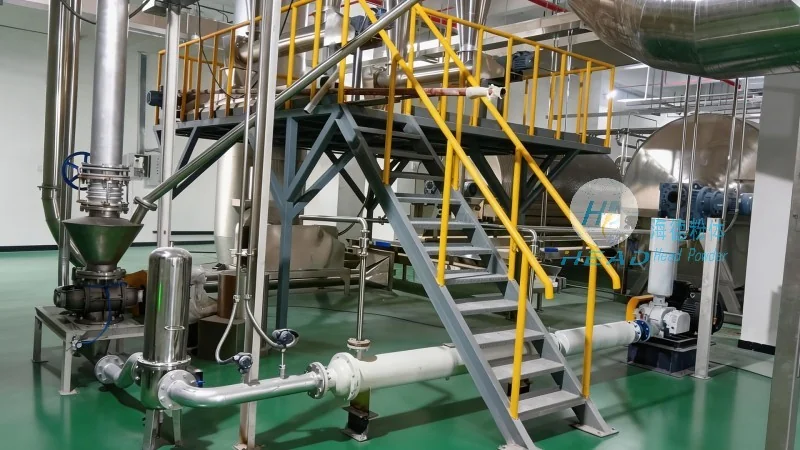

Key Components of a Potassium Sulfate Powder Conveying Line
The core of a potassium sulfate powder conveying line consists of several interconnected components that work in tandem to transport the material from one location to another. These components typically include a feeding system, conveying equipment (such as screw conveyors, pneumatic conveyors, or bucket elevators), control systems, and material handling accessories. The feeding system ensures a consistent and controlled flow of powder into the conveying line, preventing blockages and maintaining uniform material distribution. Conveying equipment is selected based on the specific characteristics of potassium sulfate, including its particle size, moisture content, and flowability, to optimize performance and minimize wear on equipment. Control systems provide real-time monitoring and adjustment of the conveying process, allowing operators to respond to changes in material conditions or system performance. Material handling accessories, such as hoppers, chutes, and dust collection units, support the overall operation by managing material storage, directing flow paths, and controlling dust emissions.

Design Principles for Efficient Potassium Sulfate Powder Conveying
The design of a potassium sulfate powder conveying line is guided by several critical principles aimed at maximizing efficiency, reliability, and safety. One primary principle is the consideration of material properties, as potassium sulfate may exhibit different flow characteristics under varying conditions. For instance, the powder's particle size distribution and moisture content can significantly impact its flowability, which in turn affects the choice of conveying equipment and system layout. Engineers must account for these variables to prevent issues like bridging, segregation, or agglomeration that could disrupt the conveying process. Another key principle is the minimization of material degradation during transport. Potassium sulfate is a valuable chemical product, and any loss of quality due to abrasion, temperature changes, or exposure to air can lead to economic losses. Therefore, the design incorporates features like smooth surfaces, appropriate material of construction (e.g., stainless steel or corrosion-resistant alloys), and temperature control mechanisms to preserve the powder's integrity. Additionally, the principle of energy efficiency is crucial, as conveying systems often consume significant power. By selecting the most suitable conveying technology and optimizing system parameters, such as conveyor speed and pressure, energy consumption can be reduced while maintaining or improving throughput. Finally, safety considerations are paramount in the design, as powder handling can pose risks like dust explosions or mechanical hazards. The inclusion of explosion-proof components, dust suppression systems, and proper ventilation helps mitigate these risks, ensuring a safe working environment for operators.

Operational Considerations and Maintenance
Once a potassium sulfate powder conveying line is installed and operational, proper management is essential to maintain its performance and longevity. Regular maintenance is a critical aspect, as components like bearings, seals, and conveyor belts require periodic inspection and replacement to prevent failures. For example, the screw conveyors used in such systems may experience wear on the flighting or bearing housing due to the abrasive nature of potassium sulfate particles. Routine checks for lubrication, alignment, and wear can extend the life of these components and reduce downtime. Additionally, monitoring the system's performance parameters, such as flow rate, pressure, and temperature, helps identify potential issues before they escalate into major problems. Operators should also be trained on the proper handling of potassium sulfate, including the use of personal protective equipment (PPE) and emergency procedures for dust or material spills. By adhering to these operational guidelines, the conveying line can operate efficiently and safely, ensuring consistent production and minimal disruptions.