

What is a Nitrile Rubber Powder Conveying Line? And What Are Its Design Principles?
Nitrile rubber, also known as Buna-N, is a synthetic polymer widely used in industrial applications due to its excellent resistance to oil, fuel, and other chemicals. When this material is processed as a powder, efficient and reliable conveying systems become essential for maintaining product quality and operational efficiency. A nitrile rubber powder conveying line is a specialized system engineered to handle the unique properties of this polymer, ensuring safe and effective transportation from storage to processing equipment. This article explores the fundamental aspects of such systems, focusing on their design principles and the key factors that contribute to their performance.

Key Design Principles for Nitrile Rubber Powder Conveying Systems
The design of a nitrile rubber powder conveying line is guided by several critical principles aimed at addressing the challenges posed by the material's characteristics. First, the system must minimize material degradation, which can occur due to friction, heat, or exposure to air. To achieve this, components such as conveyor belts, hoppers, and pipelines are often constructed from materials that are compatible with nitrile rubber, such as stainless steel or specialized plastics that resist chemical interaction. Additionally, the system incorporates features to prevent static buildup, as nitrile rubber is prone to generating static electricity, which can lead to dust explosions or material sticking. Electrostatic discharge (ESD) prevention measures, including grounding and antistatic additives, are integral to the design.
Second, the conveying line is engineered for high efficiency and low maintenance. This involves selecting appropriate conveyor types, such as screw conveyors or pneumatic systems, based on the specific handling requirements. For example, screw conveyors are ideal for vertical or inclined transport, while pneumatic conveying systems are suitable for long-distance or high-volume applications. The design also considers the need for easy cleaning and maintenance, with components that can be disassembled and cleaned without compromising the system's integrity. This is particularly important in industries where product contamination must be strictly controlled.

Third, the system prioritizes safety and compliance with industrial standards. Nitrile rubber powder handling involves potential hazards, including dust explosions and mechanical risks. Therefore, the design incorporates safety features like explosion-proof motors, dust collection systems, and emergency shut-off mechanisms. The system also adheres to relevant regulations, such as those from the Occupational Safety and Health Administration (OSHA) or the European Union's Machinery Directive, ensuring that it meets the required safety and environmental standards.
Components and Functionality of a Nitrile Rubber Powder Conveying Line
A typical nitrile rubber powder conveying line consists of several interconnected components, each playing a vital role in the overall operation. The primary components include a hopper for material storage, a feeder to control the flow rate, a conveyor system for transporting the powder, and a discharge mechanism for delivering the material to the next stage of processing. The hopper is designed with a sloped bottom to facilitate smooth material discharge, preventing clogging or bridging, which are common issues with nitrile rubber due to its cohesive properties.
The feeder, often a rotary valve or a screw feeder, regulates the amount of powder released into the conveyor system. This control is crucial for maintaining consistent flow rates and preventing overloading or underloading of the conveyor. The conveyor system itself can be either mechanical (e.g., screw or belt conveyor) or pneumatic (e.g., air slide or pipeline system). Mechanical conveyors are suitable for short to medium distances and provide reliable, low-cost operation, while pneumatic systems are ideal for longer distances and can handle fine powders without the need for additional components like hoppers.

The discharge mechanism, such as a rotary valve or a gate valve, controls the release of the powder from the conveyor to the processing equipment. This component ensures that the material is delivered in a controlled manner, avoiding spills or blockages. Additionally, the system may include a dust collection system to capture any airborne particles, improving air quality and preventing contamination of the surrounding environment. The integration of these components ensures a seamless and efficient flow of nitrile rubber powder from storage to processing.
Applications and Benefits of Nitrile Rubber Powder Conveying Lines
Nitrile rubber powder conveying lines are widely used in various industries, including automotive, aerospace, and chemical manufacturing. In the automotive industry, they are used to transport nitrile rubber for tire manufacturing and other components. The aerospace industry utilizes these systems for producing seals and gaskets, where the material's resistance to oil and fuel is critical. In chemical manufacturing, the systems are employed in the production of adhesives, coatings, and other products that require nitrile rubber as a key ingredient.
The benefits of using a specialized nitrile rubber powder conveying line include improved product quality, reduced downtime, and enhanced safety. By minimizing material degradation and contamination, the system ensures that the final product meets the required specifications. The efficient design also reduces operational costs by minimizing energy consumption and maintenance requirements. Furthermore, the safety features incorporated into the system protect workers from potential hazards, such as dust explosions or mechanical injuries.
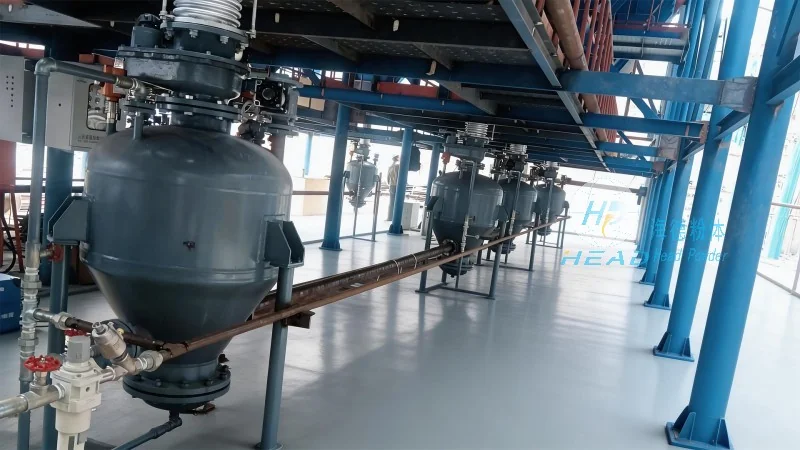
Another key benefit is the adaptability of the system to different processing requirements. The design can be customized to handle varying powder sizes, flow rates, and distances, making it suitable for a wide range of applications. This flexibility allows manufacturers to optimize their production processes and improve overall efficiency. Additionally, the system's compatibility with existing equipment makes it easier to integrate into existing production lines, reducing the need for major overhauls or new installations.
Conclusion: The Importance of Proper Design and Implementation
In conclusion, a nitrile rubber powder conveying line is a critical component in the processing of this versatile polymer. The design principles, components, and applications of such systems are tailored to address the unique challenges posed by nitrile rubber, ensuring efficient, safe, and reliable operation. The system's ability to minimize material degradation, prevent contamination, and enhance safety makes it an essential investment for manufacturers in industries that rely on nitrile rubber.