

What is Bag Breakage Material Conveying? And What Are Its Design Principles?
Bag breakage material conveying systems are critical components in industrial processing, particularly in sectors dealing with bulk materials that are packaged in bags. These systems are designed to safely and efficiently break open bags and transport the contents to subsequent processing stages. The process involves several key steps and components that work in tandem to ensure optimal performance and material handling efficiency.
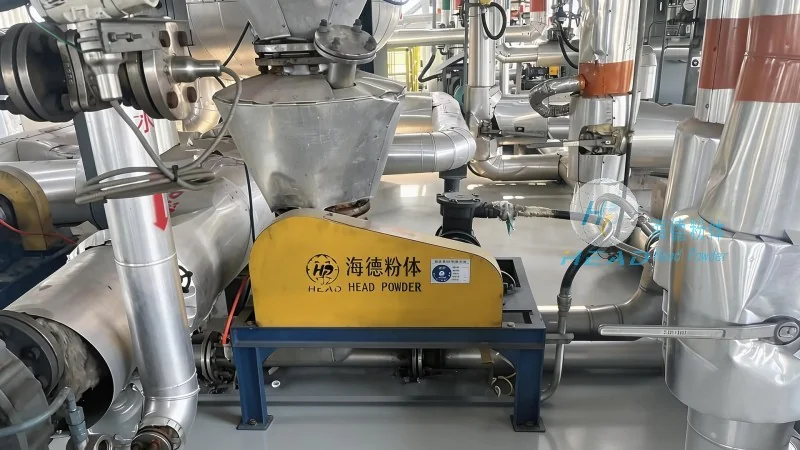
Core Design Principles of Bag Breakage Material Conveying Systems
The design of a bag breakage material conveying system is based on several fundamental principles aimed at achieving high throughput, minimal material loss, and operational safety. A typical system comprises a bag opening mechanism, a feeding hopper, a conveying component (such as a screw conveyor or belt conveyor), and a dust control system. The bag opening mechanism is responsible for rupturing the bag without damaging the material inside, while the feeding hopper ensures a consistent flow of material into the conveyor. The conveying component then transports the material to the next stage of processing, such as screening, mixing, or packaging.
Key Components and Their Functions
Each component of a bag breakage material conveying system plays a crucial role in the overall operation. The bag opening mechanism, which may include a mechanical blade, hydraulic cutter, or pneumatic rupture device, is designed to break the bag at a controlled point. This prevents material spillage and ensures that the contents are fully discharged. The feeding hopper is typically equipped with a level sensor to monitor the material level and adjust the flow rate as needed. The conveying component, often a screw conveyor or a belt conveyor, is chosen based on the material characteristics, such as particle size, moisture content, and abrasiveness. Screw conveyors are ideal for handling dry, free-flowing materials, while belt conveyors may be preferred for bulkier or more cohesive materials.

Dust Control and Environmental Considerations
Due to the nature of the materials being handled, bag breakage systems often generate dust, which can be a health and safety hazard. Therefore, dust control is a critical aspect of the design. Common solutions include dust collection systems, such as cyclones or bag filters, integrated into the system to capture and remove airborne particles. Additionally, the system may be enclosed to minimize dust emissions and protect the environment and personnel. Proper ventilation and filtration are essential to maintain a safe working environment and comply with environmental regulations.
Operational Efficiency and Maintenance
Efficiency in bag breakage material conveying systems is achieved through careful design and regular maintenance. The system should be designed to minimize downtime and maximize material throughput. Regular maintenance, including inspection of the bag opening mechanism, cleaning of the conveying components, and checking of the dust control system, is essential to ensure long-term reliability. Proper training of operators on the safe and efficient operation of the system is also crucial to prevent accidents and maintain optimal performance.
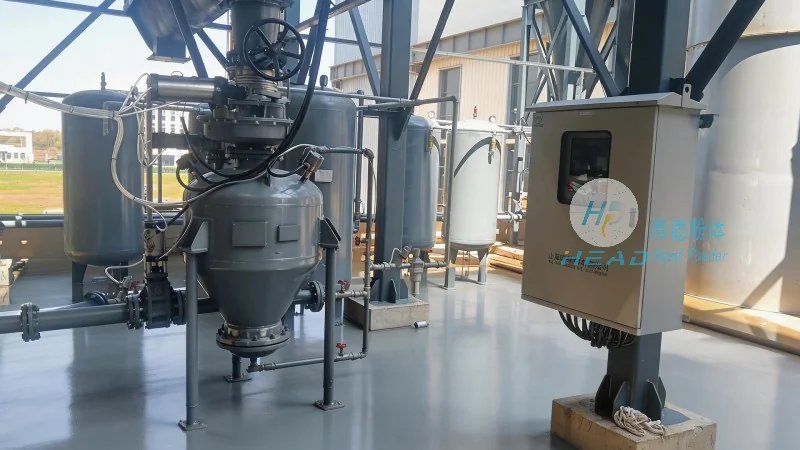
About Shandong HeadPowder Engineering Co., Ltd.
Shandong HeadPowder Engineering Co., Ltd., commonly known as HeadPowder, is a leading manufacturer of material handling equipment, including bag breakage and conveying systems. With years of experience in the industry, HeadPowder specializes in providing customized solutions tailored to the specific needs of clients. The company's products are designed to meet the highest standards of quality and performance, ensuring reliable operation and long service life. HeadPowder's commitment to innovation and customer satisfaction has made it a trusted partner for businesses in various industries, including food, pharmaceuticals, chemicals, and agriculture.
Applications and Industries
Bag breakage material conveying systems are widely used in various industries where bulk materials are packaged in bags. Some common applications include the food industry, where systems are used to handle ingredients like flour, sugar, and spices. In the pharmaceutical industry, these systems are used to process raw materials for medications, ensuring that the materials are handled in a sterile and controlled environment. The chemical industry also utilizes bag breakage systems for handling powders and granules, while the agricultural sector uses them for processing feed and fertilizer. The versatility of these systems makes them suitable for a wide range of applications, from small-scale operations to large industrial facilities.