

What is Limestone Material Handling? What are the Design Principles?
Limestone material handling is a critical process in various industrial applications, particularly in the mining, construction, and chemical sectors. The efficient transportation and processing of limestone require careful consideration of design principles to ensure optimal performance, safety, and cost-effectiveness. This article delves into the key aspects of limestone material handling, focusing on the underlying design principles that govern the selection and implementation of suitable equipment and systems.
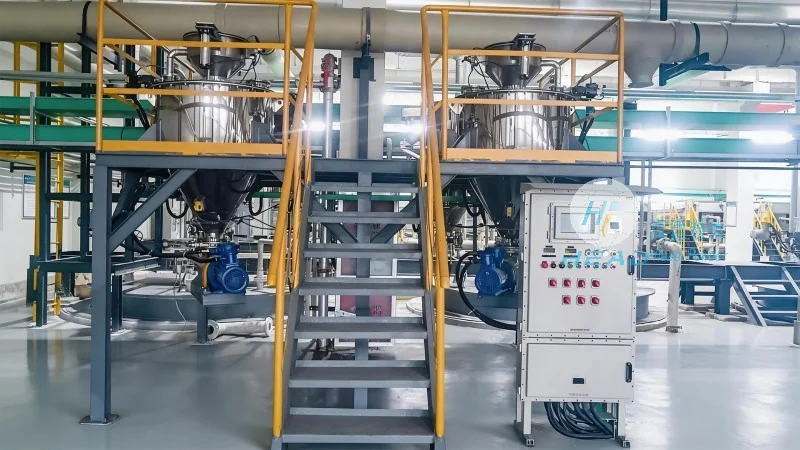
At HeadPowder, we specialize in providing tailored solutions for limestone material handling, leveraging our expertise in engineering and material handling technologies. Our company, Shandong HeadPowder Engineering Co., Ltd., is based in Shandong, China, and has established a strong reputation for delivering high-quality, reliable systems that meet the unique demands of our clients. By integrating advanced design principles with practical application, we help industries optimize their limestone handling operations, reducing downtime and enhancing overall productivity.
Key Design Principles for Limestone Material Handling Systems
The design of limestone material handling systems is influenced by several critical factors, including the physical properties of limestone, the required throughput, the distance of material transport, and the environmental conditions. These factors collectively determine the type of equipment to be used, such as conveyors, crushers, and storage facilities. The following are some of the fundamental design principles that guide the development of effective limestone handling solutions:
1. **Material Characteristics**: Limestone, a sedimentary rock composed primarily of calcium carbonate, has distinct physical properties that impact handling. It is typically abrasive, with a hardness that can wear down equipment components over time. Therefore, the design must account for the material's abrasiveness, selecting materials of construction that can withstand the wear and tear. Additionally, limestone's density and particle size distribution affect the flow characteristics, influencing the choice of conveyor type and speed.

2. **Throughput and Capacity**: The required throughput of the limestone handling system is a primary design parameter. High-capacity systems, such as those used in large-scale mining operations, demand robust equipment capable of handling large volumes of material. The design must ensure that the system can meet the desired production rates without bottlenecks, which could lead to inefficiencies. This involves selecting conveyors with appropriate belt widths, speeds, and drive systems to accommodate the expected material flow.
3. **Transport Distance and Layout**: The distance over which limestone needs to be transported and the layout of the processing plant are crucial considerations. Short-distance transport may use belt conveyors or bucket elevators, while longer distances might require more complex systems, including overland conveyors or pneumatic conveying. The design must optimize the layout to minimize energy consumption and operational costs, ensuring that the system is both efficient and cost-effective.
4. **Safety and Environmental Compliance**: Safety is a paramount concern in limestone material handling, as the equipment operates in potentially hazardous environments. The design must incorporate safety features, such as emergency stop mechanisms, protective guards, and proper ventilation to prevent accidents and ensure the well-being of operators. Additionally, environmental regulations require that dust and noise emissions be minimized, prompting the use of dust suppression systems and noise-reducing equipment in the design.

Equipment Selection and Integration in Limestone Handling
Choosing the right equipment is essential for the successful implementation of limestone material handling systems. The selection process involves evaluating various options based on the design principles outlined above. At HeadPowder, our engineers work closely with clients to assess their specific needs and recommend the most suitable equipment. For instance, belt conveyors are widely used for horizontal and inclined transport due to their high capacity and low maintenance costs. However, for vertical transport, bucket elevators or vertical conveyors are preferred to handle the material efficiently.
Crushers and screens are also integral components of limestone handling systems, especially when the material needs to be reduced to a specific size for further processing. The design of these units must consider the limestone's hardness and abrasiveness, selecting crushing equipment with appropriate wear-resistant parts to extend service life. The integration of these equipment types into a cohesive system is critical to ensure smooth material flow and prevent blockages or inefficiencies.
Case Studies and Real-World Applications
HeadPowder has successfully implemented limestone material handling systems in various industrial settings, demonstrating the effectiveness of our design principles. For example, a client in the mining industry required a system to transport limestone from an open-pit mine to a processing plant over a distance of 2 kilometers. Our team designed a combination of overland belt conveyors and transfer points, ensuring that the material was transported efficiently while minimizing energy consumption. The system was equipped with dust suppression systems to comply with environmental regulations and included safety features to protect operators.
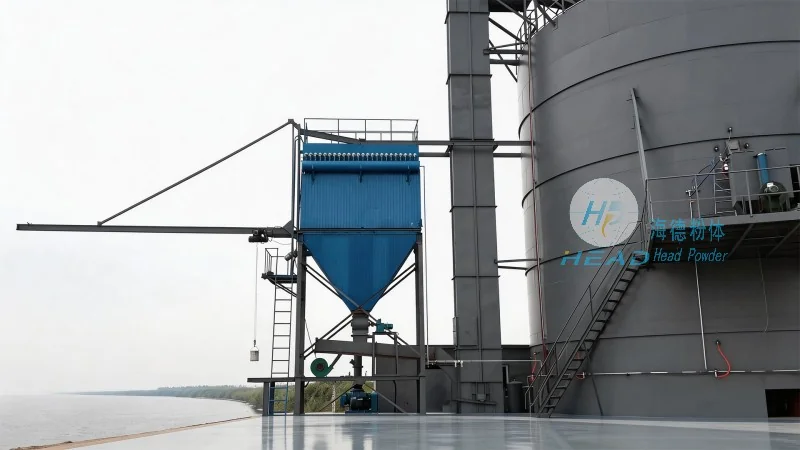
Another application involved a construction materials company that needed to handle limestone for concrete production. Our design included a crushing and screening system followed by a conveyor network to transport the processed material to storage silos. The system was optimized for high throughput, with the conveyor speed and belt width adjusted to meet the client's production requirements. The result was a significant reduction in operational costs and an increase in productivity, as the client was able to meet its production targets without additional investments.
Conclusion and Future Trends
Limestone material handling is a complex process that requires a deep understanding of design principles and material properties. At Shandong HeadPowder Engineering Co., Ltd., we are committed to providing innovative and reliable solutions that address the unique challenges of limestone handling. By focusing on the key design principles, such as material characteristics, throughput, transport distance, and safety, we help our clients achieve optimal performance and long-term success. As technology advances, we continue to explore new materials and equipment to further enhance the efficiency and sustainability of limestone material handling systems.
Our expertise, combined with our commitment to quality and customer satisfaction, makes HeadPowder a trusted partner for industries seeking to optimize their limestone handling operations. Whether you are a mining company, a construction materials manufacturer, or a chemical plant operator, we are ready to assist you in designing and implementing a limestone material handling system that meets your specific needs and exceeds your expectations.