

What is a Small Bag Quantitative Feeding Material Conveying Line? What are its Design Principles?
Small bag quantitative feeding material conveying lines are specialized industrial systems engineered to handle and transport bulk materials from sealed bags with precise weight control. These systems are widely utilized across various sectors, including food processing, chemical manufacturing, and pharmaceutical production, where accurate material feeding is paramount for maintaining product quality and operational efficiency. The core function of such a line is to open the small bags, measure the exact amount of material contained within, and then transfer the material to the subsequent processing stage or storage container. This process ensures consistent material flow and minimizes the risk of overfeeding or underfeeding, which can adversely affect downstream processes and final product characteristics. By integrating advanced technologies and robust engineering, these systems provide a reliable solution for industries that demand high precision in material handling.


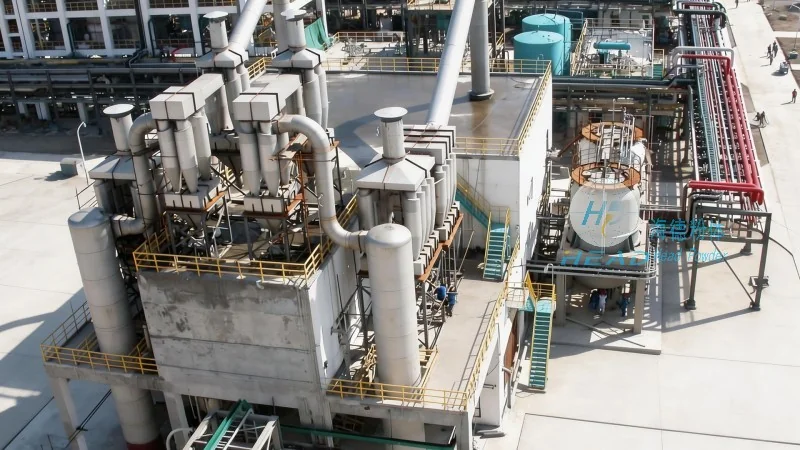

Design Principles of Small Bag Quantitative Feeding Material Conveying Lines
The design of a small bag quantitative feeding material conveying line encompasses several critical components and principles that collaborate to achieve accurate and dependable material handling. The initial component is the bag opening mechanism, which safely and efficiently opens the sealed bags without compromising the material inside. This may involve mechanisms such as bag cutters, tear-off devices, or vacuum suction systems that gently extract the material. Once the bag is opened, the material is transferred to a hopper or feeder, where a weighing or volumetric measurement system is integrated to determine the exact quantity. Modern systems often employ load cells or digital scales to provide real-time weight measurements, ensuring the material is fed in precise amounts. The design also incorporates a feeding mechanism, such as a screw conveyor or a vibratory feeder, that transports the measured material to the discharge point. The entire system is typically equipped with control panels and sensors to monitor the process, adjust feeding rates, and detect any anomalies, such as an empty bag or a blockage in the line. The integration of these components ensures that the material is handled safely, efficiently, and with high accuracy, meeting the stringent requirements of modern industrial applications. Additionally, the design considers factors like material compatibility, environmental conditions, and space constraints to ensure the system is optimized for the specific application.
About HeadPowder: A Leading Provider of Material Handling Solutions
HeadPowder, formally known as Shandong HeadPowder Engineering Co., Ltd., is a reputable company headquartered in Shandong, China, specializing in the design, manufacturing, and supply of advanced material handling equipment. With a strong commitment to innovation and customer satisfaction, HeadPowder has established itself as a trusted partner for industries requiring reliable and efficient material conveying solutions. The company's expertise lies in developing customized systems tailored to specific customer needs, ensuring that each solution meets the unique requirements of the application. HeadPowder's product portfolio includes a wide range of material handling equipment, such as bag opening systems, feeding and conveying lines, and weighing and control systems. The company adheres to strict quality standards and utilizes advanced manufacturing techniques to produce durable and high-performance equipment. By leveraging their extensive experience and technical knowledge, HeadPowder helps clients optimize their material handling processes, improve productivity, and reduce operational costs. The company's dedication to quality and customer service has earned them a solid reputation in the industry, making them a preferred choice for businesses seeking dependable material handling solutions. HeadPowder's team of engineers and technicians work closely with clients to understand their specific challenges and provide tailored solutions that enhance operational efficiency and product quality.