

What is a Ton Bag Unloading Station Material Handling System Equipment? What is the Design Principle
For industrial operations that involve large-scale material handling, especially when dealing with bulk materials in ton bags, the ton bag unloading station material handling system equipment is a vital component. This specialized equipment is engineered to efficiently and safely unload, transfer, and process bulk materials from ton bags into other handling or processing systems. The design principle behind such systems is centered on optimizing material flow, ensuring operational safety, and maximizing productivity in industrial settings. Manufactured by Shandong HeadPowder Engineering Co., Ltd., a leading provider of industrial material handling solutions based in China, these systems are designed to meet the demanding requirements of modern industrial operations.

Introduction to Ton Bag Unloading Station Material Handling Systems
The ton bag unloading station material handling system equipment is a critical component in industries that rely on bulk material handling, such as mining, construction, agriculture, and chemical processing. These systems are engineered to handle the challenges associated with unloading heavy and often bulky ton bags, which typically contain materials like cement, fertilizers, grains, or other bulk commodities. The primary function of this equipment is to facilitate the smooth transfer of material from the ton bag to a conveyor system, silo, or storage facility, thereby streamlining the overall material handling process.
Key Components of the Ton Bag Unloading Station Material Handling System
The ton bag unloading station material handling system typically consists of several key components that work in concert to achieve efficient material handling. These components include:

1. Ton Bag Handling Mechanism: This component is responsible for lifting, positioning, and opening the ton bag to allow material to flow out. It may include a lifting device, a bag clamp or gripper, and a discharge chute that directs the material into the system.
2. Material Discharge and Transfer Equipment: This includes conveyors, such as belt conveyors or screw conveyors, that transport the material from the discharge point to the next stage of processing or storage. The design of these conveyors is tailored to handle the specific characteristics of the material being handled, ensuring minimal spillage and efficient transfer.

3. Control and Monitoring Systems: Modern ton bag unloading stations are equipped with advanced control systems that monitor the entire process, from bag handling to material transfer. These systems may include sensors to detect bag presence, level sensors for material flow, and control panels to manage the operation of the equipment. The control systems are designed to ensure safety, prevent overloading, and optimize the unloading process.
4. Support Structures and Safety Features: The system is supported by robust structures that can withstand the weight and operational stresses of the equipment. Safety features, such as emergency stop buttons, safety guards, and material containment systems, are integrated to protect operators and prevent accidents during operation.
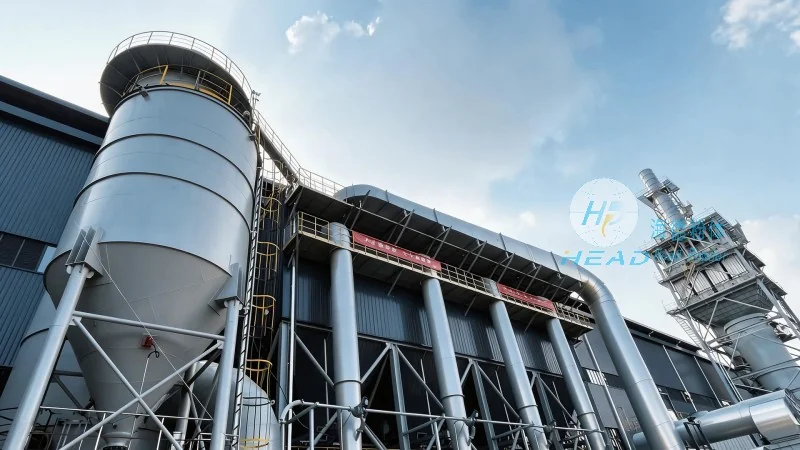
The Design Principle Behind Ton Bag Unloading Station Systems
The design principle of ton bag unloading station material handling systems is centered on several key objectives: efficiency, safety, and adaptability. Efficiency is achieved through the integration of components that minimize material handling time and maximize throughput. Safety is ensured through the incorporation of robust safety features and control systems that prevent accidents and protect personnel. Adaptability is achieved by designing systems that can handle a variety of ton bag sizes and material types, making them versatile for different industrial applications.
One of the core design principles is the optimization of material flow. The system is designed to ensure that material moves smoothly from the ton bag to the discharge point and then to the subsequent handling equipment, with minimal bottlenecks or interruptions. This is achieved through the proper sizing and placement of conveyors, the use of appropriate discharge chutes, and the integration of control systems that regulate the flow rate.