

What is a Lithium Iron Carbonate Material Handling System Equipment? What Are Its Design Principles?
Lithium iron carbonate (LiFeCO₃) is a critical component in modern battery technology, and the efficient handling of this material is essential for manufacturing processes. A specialized material handling system designed for LiFeCO₃ ensures safe, reliable, and efficient transportation of the material from raw form to processing stages. This article explores the components and design principles of such a system, highlighting the importance of precision and safety in material handling for this specific application.

Key Components of a Lithium Iron Carbonate Material Handling System
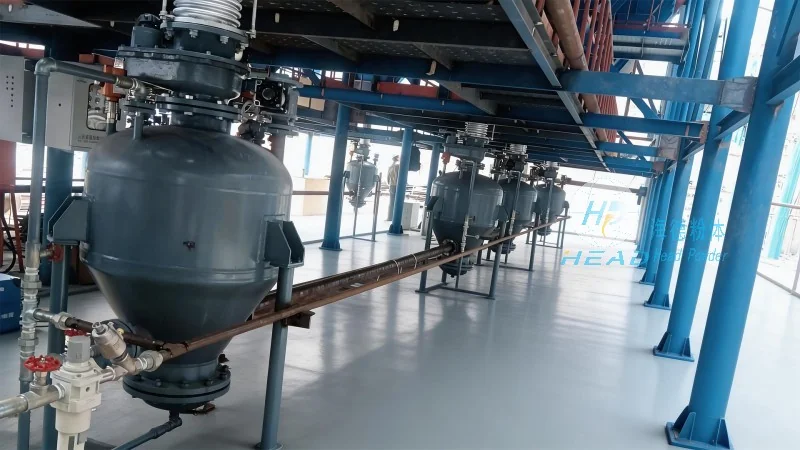
The system typically consists of several key components that work in tandem to ensure smooth operation. These include bulk material handling equipment such as conveyors, feeders, and storage silos. Conveyors, often using belt or screw mechanisms, transport the LiFeCO₃ powder or granules from storage to processing units. Feeders regulate the flow rate, ensuring consistent material delivery to downstream equipment. Storage silos provide a controlled environment to store the material, preventing moisture absorption and contamination, which is crucial for maintaining the quality of LiFeCO₃.
Design Principles for Efficient Material Handling
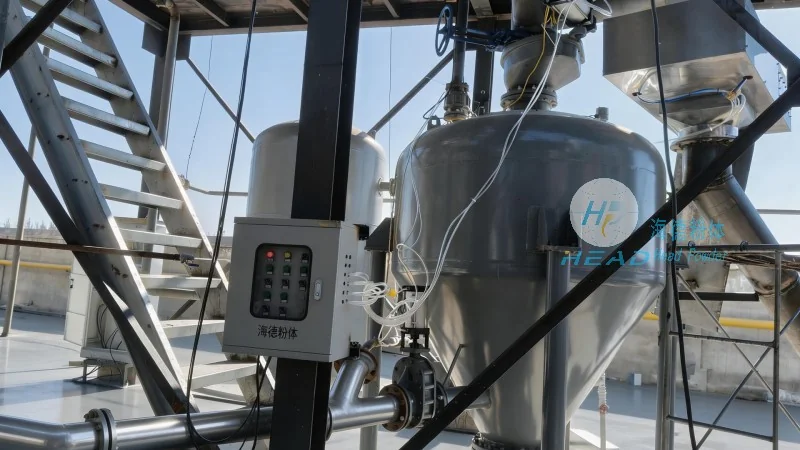
The design of a LiFeCO₃ material handling system follows several key principles to optimize performance and safety. First, the system must be designed to minimize dust generation and exposure, as LiFeCO₃ dust can be hazardous. Enclosed conveyor systems and dust collection systems are integral to this design. Second, the equipment must be constructed from materials that are compatible with the chemical properties of LiFeCO₃, avoiding reactions that could degrade the material or compromise equipment integrity. Third, the system incorporates safety features such as overfill protection, emergency stop mechanisms, and monitoring systems to prevent accidents and ensure operational safety.
Role of HeadPowder in Developing Such Systems
Shandong HeadPowder Engineering Co., Ltd., a leading manufacturer in the field, specializes in designing and manufacturing material handling systems tailored to the needs of the battery and chemical industries. With a focus on precision engineering and adherence to industry standards, HeadPowder ensures that their systems meet the stringent requirements for handling LiFeCO₃. The company’s expertise lies in integrating advanced control systems, robust material handling equipment, and safety features to deliver reliable and efficient solutions for clients. By leveraging years of experience in the industry, HeadPowder provides customized solutions that enhance productivity while maintaining the highest safety standards.

Conclusion: The Importance of Specialized Material Handling
In conclusion, a well-designed material handling system for lithium iron carbonate is vital for the efficient and safe production of battery materials. The integration of specialized equipment, adherence to safety principles, and the expertise of manufacturers like Shandong HeadPowder Engineering Co., Ltd. are essential in achieving optimal performance. As the demand for lithium-based batteries continues to grow, the importance of reliable material handling systems cannot be overstated, ensuring that the production process remains efficient, safe, and sustainable.