

Wood Dust Powder Pneumatic Conveying: Understanding the Process and Design Principles
Wood dust, a common byproduct in woodworking and related industries, presents unique challenges when it comes to material handling and transportation. Traditional methods like bucket elevators or belt conveyors may not be suitable for fine powders such as wood dust due to issues like dust explosion risks, material segregation, and operational inefficiencies. Pneumatic conveying offers a solution by transporting wood dust through a closed system using air pressure or vacuum, ensuring safe and efficient movement of the material. This article explores what wood dust powder pneumatic conveying is and delves into the core design principles that make it an effective and reliable method for handling this type of material.
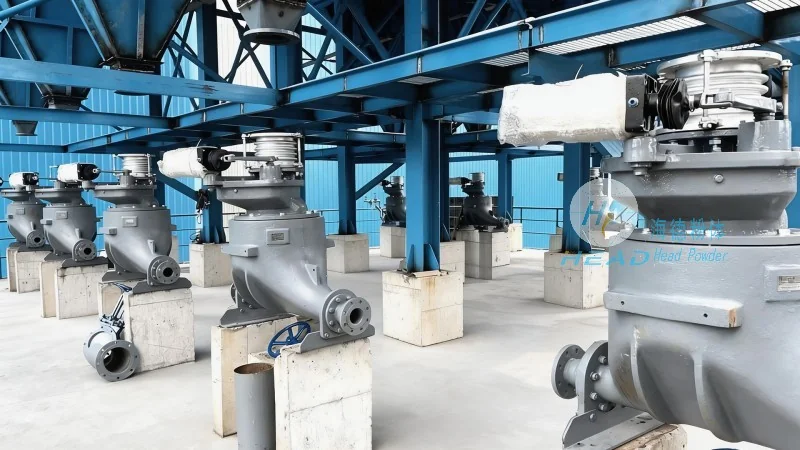
Introduction to Wood Dust Powder Pneumatic Conveying
Wood dust, often generated during sawing, sanding, or other woodworking processes, is a fine powder that can be difficult to manage. Conventional handling methods may lead to dust accumulation, health hazards, and operational disruptions. Pneumatic conveying provides a closed-loop system that eliminates these issues by transporting wood dust through pipelines using air. The process involves feeding the wood dust into a hopper, where it is then drawn or pushed through the system by air pressure or vacuum. This method not only ensures the safe and efficient transport of wood dust but also helps in maintaining a clean working environment by containing the dust within the system.
Company Overview: Shandong HeadPowder Engineering Co., Ltd.
Shandong HeadPowder Engineering Co., Ltd., a leading provider of pneumatic conveying solutions, specializes in designing and manufacturing systems tailored to the specific needs of wood dust handling. With years of experience in the industry, the company has developed expertise in understanding the unique properties of wood dust, such as its fine particle size, moisture content, and potential for dust explosions. By leveraging this expertise, HeadPowder engineers create customized pneumatic conveying systems that ensure optimal performance, safety, and reliability for their clients. The company's headquarters is located in Shandong, China, where it operates a state-of-the-art facility dedicated to research, development, and manufacturing of advanced powder handling equipment.

Design Principles of Wood Dust Powder Pneumatic Conveying Systems
The effectiveness of a wood dust powder pneumatic conveying system depends on several key design principles that are carefully considered during the engineering process. These principles ensure that the system operates efficiently, safely, and with minimal maintenance. The primary design considerations include:

- System Type (Positive or Negative Pressure): The choice between positive pressure and negative pressure systems is critical. Positive pressure systems use compressed air to push the material through the pipeline, while negative pressure systems use vacuum to draw the material. For wood dust, positive pressure systems are often preferred as they provide better control over the material flow and are less prone to clogging. The system design must consider the pressure requirements, energy consumption, and the overall layout of the facility.
- Pipeline Design and Sizing: The diameter and length of the pipelines are crucial factors in determining the system's performance. The pipeline diameter is typically determined based on the material's flow rate, particle size, and the desired velocity. Larger diameters are used for higher flow rates and to reduce pressure drop, while smaller diameters are suitable for lower flow rates. The pipeline layout should be designed to minimize bends and changes in direction to prevent material accumulation and clogging. Additionally, the use of smooth, corrosion-resistant materials like stainless steel or plastic is essential to prevent dust buildup and ensure long-term system reliability.
- Feeding and Discharge Equipment: Proper feeding and discharge mechanisms are vital to maintain consistent material flow and prevent system blockages. The feeding equipment, such as a rotary valve or a star feeder, must be designed to handle the fine wood dust without causing excessive wear or clogging. It should be capable of feeding the material at a controlled rate to match the system's capacity. The discharge equipment, including cyclone separators and bag filters, is used to separate the wood dust from the air stream and collect it in a hopper or storage container. The design of these components must ensure efficient separation and minimal air leakage to maintain system efficiency.
- Separation and Filtration: Wood dust is often mixed with air during the conveying process, and it is essential to separate the dust from the air before releasing it into the environment. Cyclone separators are commonly used as primary separators, where centrifugal force helps to separate larger particles from the air stream. Bag filters or cartridge filters are then used as secondary filtration to capture finer particles and ensure compliance with environmental regulations. The design of the separation and filtration system must consider the dust load, the required filtration efficiency, and the ease of maintenance and cleaning.
- Control and Monitoring Systems: Modern pneumatic conveying systems incorporate advanced control and monitoring systems to optimize performance and ensure safety. These systems may include pressure sensors, flow meters, and control valves that regulate the air pressure and flow rate. They also provide real-time monitoring of system performance, allowing operators to detect and address issues such as pressure drops or material blockages promptly. The integration of automation and control systems enhances the overall efficiency and reliability of the wood dust powder pneumatic conveying system.
Applications and Benefits of Wood Dust Powder Pneumatic Conveying
Wood dust powder pneumatic conveying systems are widely used in various applications within the woodworking and related industries. Some common applications include:
- Transportation from Production to Storage: After being generated at the woodworking site, wood dust can be transported to a central storage facility using pneumatic conveying systems. This allows for efficient collection and storage of the material, reducing the need for manual handling and minimizing the risk of dust exposure.
- Processing and Recycling: Wood dust can be processed and recycled into various products, such as wood pellets, composite materials, or fuel. Pneumatic conveying systems are used to transport the dust to processing equipment, ensuring a continuous and clean supply of material for the recycling process.
- Industrial Applications: Wood dust is also used in other industrial applications, such as as a filler in plastics or as a component in animal feed. Pneumatic conveying systems enable the safe and efficient transport of wood dust to these applications, ensuring consistent quality and reducing operational costs.
The benefits of using wood dust powder pneumatic conveying systems include improved safety by containing the dust within the system, reduced labor costs by automating the material handling process, and increased efficiency by minimizing material loss and downtime. Additionally, the closed-loop system helps in maintaining a clean working environment, which is essential for employee health and compliance with environmental regulations.