

What is a Light Calcium Powder Pneumatic Conveying System? What are its Design Principles?
Light calcium powder, also known as precipitated calcium carbonate (PCC), is a widely used industrial material in various sectors such as paper, plastics, and coatings. The efficient and reliable transportation of this fine powder is crucial for maintaining production efficiency and product quality. Pneumatic conveying systems have emerged as a preferred solution for handling light calcium powder due to their ability to transport materials in a dust-free environment and with minimal product degradation. This article explores the concept of a light calcium powder pneumatic conveying system, detailing its design principles and the key factors that influence its performance.
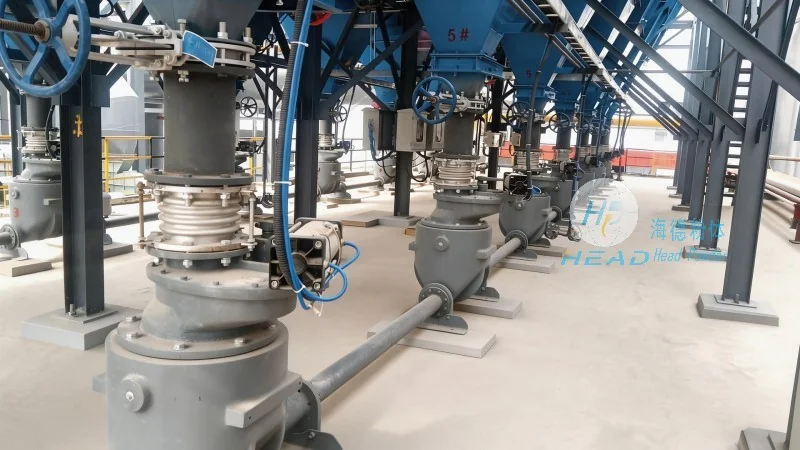
Understanding Light Calcium Powder Pneumatic Conveying Systems
A light calcium powder pneumatic conveying system is a technology that uses compressed air or other gas to transport light calcium powder from one location to another. Unlike traditional mechanical conveying methods, which rely on belts, screws, or buckets, pneumatic systems utilize the force of air to move the powder through a pipeline. This method is particularly advantageous for light calcium powder because it is a fine, low-density material that can be easily suspended and transported by air currents. The system typically consists of a feeding device, a conveying line, a control system, and a discharge device. The feeding device introduces the powder into the pipeline, while the control system regulates the air flow and pressure to ensure smooth and continuous transport. The conveying line is designed to withstand the pressure and abrasion caused by the powder, and the discharge device collects the powder at the destination point.
Key Design Principles of Light Calcium Powder Pneumatic Conveying Systems
The design of a light calcium powder pneumatic conveying system involves several critical principles that ensure optimal performance and reliability. The first principle is the selection of the appropriate conveying method, which can be categorized into two main types: dilute phase and dense phase. Dilute phase systems use low air-to-solid ratios, typically 5-10:1, and are suitable for long-distance transport and high-volume applications. Dense phase systems, on the other hand, use higher air-to-solid ratios, around 1-2:1, and are ideal for short-distance transport and applications where product integrity is critical. The choice between these methods depends on factors such as the distance between the source and destination, the required flow rate, and the sensitivity of the light calcium powder to air exposure.
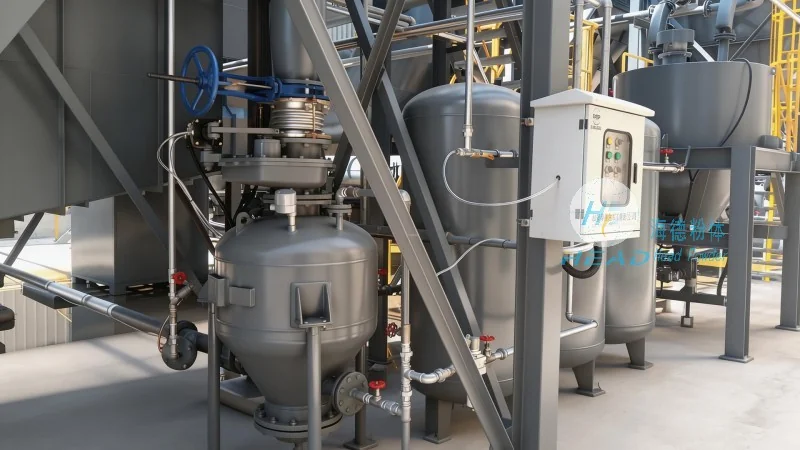
Another crucial design principle is the selection of the right materials for the conveying line and components. Light calcium powder is abrasive and can cause wear and tear on metal surfaces. Therefore, the pipeline and fittings are often made of materials such as stainless steel, polyethylene, or special alloys that can resist corrosion and abrasion. The use of flexible hoses or flexible connectors is also common in some systems to accommodate changes in the layout or to reduce the risk of blockages. Additionally, the system must be equipped with proper filtration and cleaning mechanisms to prevent the accumulation of powder in the pipeline and to maintain air quality.
Role of HeadPowder in Designing and Manufacturing Light Calcium Powder Pneumatic Conveying Systems
Shandong HeadPowder Engineering Co., Ltd., commonly known as HeadPowder, is a leading manufacturer specializing in the design and production of pneumatic conveying systems for light calcium powder and other fine materials. With a strong focus on engineering excellence and customer satisfaction, HeadPowder has established itself as a trusted partner in the industry. The company's expertise lies in understanding the unique properties of light calcium powder and tailoring the conveying systems to meet the specific needs of each client. HeadPowder's engineers work closely with customers to analyze their production processes, material characteristics, and operational requirements to develop customized solutions that enhance efficiency and reduce costs.

HeadPowder's pneumatic conveying systems are designed with advanced technology and robust construction to ensure long-term reliability and minimal maintenance. The company uses high-quality components and materials, adhering to international standards and best practices. Each system is carefully tested and validated before delivery to ensure it meets the performance specifications and safety requirements. HeadPowder also provides comprehensive after-sales support, including installation, commissioning, and maintenance services, to ensure that the systems operate at peak efficiency throughout their service life.
Applications and Benefits of Light Calcium Powder Pneumatic Conveying Systems
The use of light calcium powder pneumatic conveying systems offers numerous benefits to industries that rely on this material. One of the primary advantages is the ability to transport the powder in a dust-free environment, which improves workplace safety and reduces the risk of product contamination. Unlike mechanical conveying methods, which can generate dust and cause health hazards, pneumatic systems keep the powder contained within the pipeline, minimizing exposure to workers and the environment. Another benefit is the reduction in product degradation, as the powder is not subjected to mechanical stress or friction during transport. This is particularly important for light calcium powder, which can be sensitive to moisture and temperature changes.
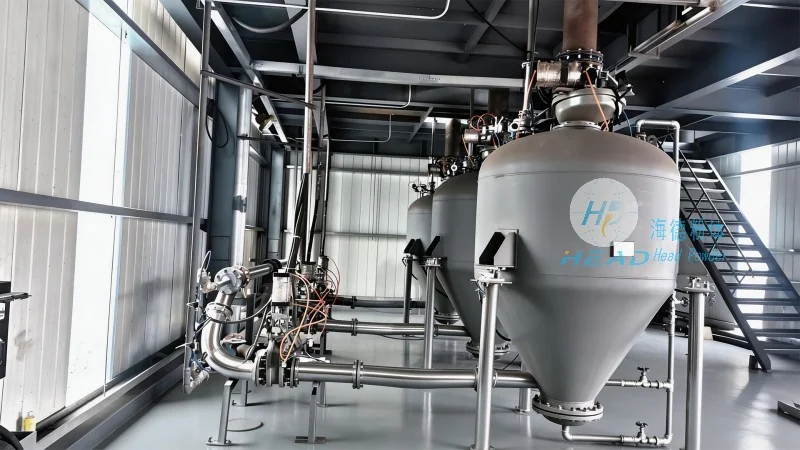
Furthermore, pneumatic conveying systems offer flexibility in terms of layout and integration with existing production lines. The pipeline can be easily installed and reconfigured to accommodate changes in the production process or to connect different parts of the facility. This flexibility allows for efficient material flow and reduces the need for manual handling, which can be labor-intensive and time-consuming. The systems also contribute to energy savings by optimizing air flow and pressure, reducing the overall operational costs.
Conclusion
In conclusion, light calcium powder pneumatic conveying systems are an essential technology for the efficient and reliable transportation of this important industrial material. The design principles, including the selection of the appropriate conveying method, materials, and components, play a critical role in ensuring the system's performance and longevity. Companies like Shandong HeadPowder Engineering Co., Ltd. play a vital role in providing customized solutions that meet the specific needs of their clients, enhancing production efficiency and product quality. As industries continue to demand higher standards of performance and sustainability, the importance of well-designed pneumatic conveying systems for light calcium powder will only grow.