

What is a Potassium Chloride Powder Pneumatic Conveying System? And What Are Its Design Principles?
For industrial applications involving the handling of potassium chloride (KCl) powder, a specialized system known as a potassium chloride powder pneumatic conveying system is often employed. This technology is designed to efficiently transport KCl powder from one location to another within a processing facility or between different stages of production. The system operates by using compressed air or other gas to move the powder through a network of pipes, ensuring a safe, reliable, and efficient material transfer process.

Introduction to Potassium Chloride Powder Pneumatic Conveying Systems
Potassium chloride is a widely used chemical compound in agriculture, food processing, and various industrial applications. When handled in bulk form as a powder, it requires specialized equipment to move it without causing dust, clogging, or other operational issues. The potassium chloride powder pneumatic conveying system addresses these challenges by utilizing air or gas as the conveying medium. This method is particularly advantageous for KCl powder due to its hygroscopic nature and the need to maintain product integrity during transport.
HeadPowder: A Leading Provider of Pneumatic Conveying Solutions
Shandong HeadPowder Engineering Co., Ltd., commonly known as HeadPowder, is a reputable company based in China that specializes in the design, manufacturing, and installation of pneumatic conveying systems for various bulk materials, including potassium chloride. With years of experience in the industry, HeadPowder has developed a comprehensive range of solutions tailored to meet the specific needs of clients in different sectors. The company's expertise lies in understanding the unique properties of materials like KCl and designing systems that ensure optimal performance, safety, and cost-effectiveness.

Design Principles of Potassium Chloride Powder Pneumatic Conveying Systems
The design of a potassium chloride powder pneumatic conveying system involves several key principles that ensure its effectiveness and reliability. First, the system must be capable of handling the specific flow characteristics of KCl powder, which may vary depending on particle size, moisture content, and other factors. The conveying velocity and pressure are carefully calculated to prevent material degradation or blockages in the pipes. Second, the system incorporates appropriate equipment such as feeders, cyclones, and filters to manage the powder flow and maintain a clean, dust-free environment. Third, the design considers the need for energy efficiency and minimal maintenance, ensuring long-term operational stability.
Key Components and Their Functions
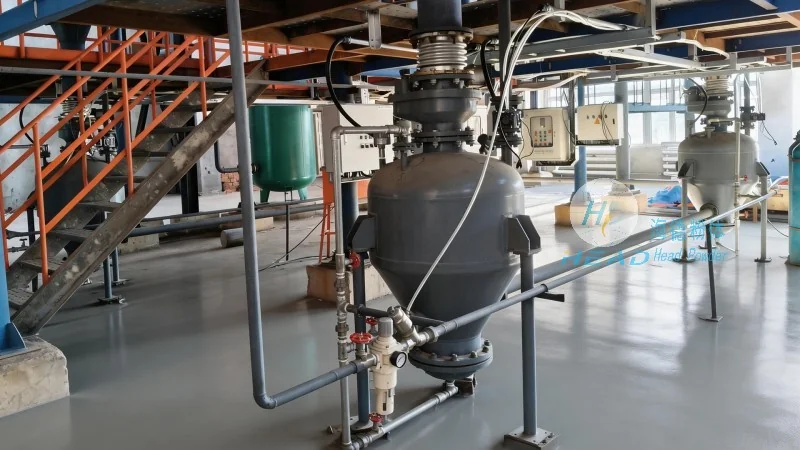
A typical potassium chloride powder pneumatic conveying system consists of several essential components, each playing a critical role in the overall operation. The primary components include the material feed hopper, which holds the KCl powder and controls the feed rate; the air compressor or blower, which generates the necessary pressure to move the powder; the conveying pipes, which transport the powder from the feed point to the discharge point; the cyclone separator, which separates the powder from the air stream and returns the powder to the system; and the filter, which removes any remaining dust from the exhaust air. Each component is designed to work in harmony to ensure a smooth and efficient conveying process.
Advantages of Using a Pneumatic Conveying System for KCl Powder
Implementing a potassium chloride powder pneumatic conveying system offers numerous advantages over traditional methods such as belt conveyors or bucket elevators. One of the most significant benefits is the ability to handle KCl powder in a dust-free environment, which improves worker safety and maintains product quality. The system also reduces the risk of material clogging and blockages, as the powder is suspended in the air stream rather than sliding along a solid surface. Additionally, pneumatic conveying systems can be designed to transport KCl powder over long distances and through complex layouts, making them suitable for large-scale industrial operations. The energy efficiency of these systems, particularly when using air as the conveying medium, also contributes to lower operational costs over time.
Applications and Industries
Potassium chloride powder pneumatic conveying systems are widely used in various industries that rely on bulk handling of KCl. In the agricultural sector, these systems are employed in fertilizer production and distribution, ensuring that KCl is transported safely and efficiently to farms and processing facilities. In the food industry, KCl is used as a food additive, and the pneumatic conveying system helps maintain the purity and quality of the powder during transport. Other applications include chemical manufacturing, where KCl is used as a raw material in the production of other compounds, and water treatment, where KCl is used to adjust the pH levels of water. The versatility of the system makes it suitable for a wide range of industrial applications requiring the reliable transport of potassium chloride powder.
Customization and Integration
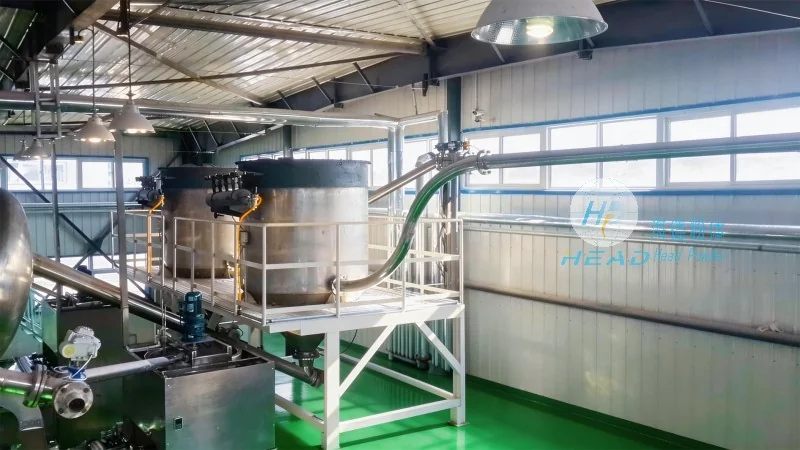
HeadPowder understands that each industrial facility has unique requirements when it comes to handling potassium chloride powder. Therefore, the company offers customized pneumatic conveying systems that can be tailored to meet specific operational needs. This includes adjusting the system's capacity, conveying distance, and pressure levels to match the client's production volume and layout. The systems can also be integrated with existing equipment and processes, ensuring a seamless transition and minimal disruption to current operations. HeadPowder's team of engineers works closely with clients to assess their needs and develop a solution that maximizes efficiency and minimizes downtime.
Maintenance and Longevity
To ensure the long-term performance and reliability of a potassium chloride powder pneumatic conveying system, regular maintenance is essential. HeadPowder provides comprehensive maintenance services to keep the system in optimal condition. This includes routine checks of the air compressor, cleaning of the cyclone separator and filter, and inspection of the conveying pipes for any signs of wear or damage. By following a regular maintenance schedule, clients can extend the lifespan of their system and avoid costly repairs or downtime. The company's expertise in maintaining pneumatic conveying systems ensures that clients receive reliable and consistent performance from their equipment.
Conclusion
In conclusion, a potassium chloride powder pneumatic conveying system is a critical piece of equipment for industries handling bulk KCl powder. The design principles and components of such a system are carefully engineered to ensure efficient, safe, and reliable transport of the material. Companies like Shandong HeadPowder Engineering Co., Ltd. play a vital role in providing these systems, offering customized solutions and maintenance services to meet the diverse needs of their clients. By leveraging the advantages of pneumatic conveying technology, industries can improve their operational efficiency, maintain product quality, and ensure worker safety while handling potassium chloride powder.