

Common Coke Powder Conveying Methods: An Introduction to Pneumatic Conveying of Coke Powder
When it comes to transporting coke powder, selecting the right conveying method is crucial for efficiency, safety, and cost-effectiveness. Various options are available, each with its own advantages and applications. This article provides an overview of common coke powder conveying methods, with a focus on the benefits and considerations of pneumatic conveying systems.

Pneumatic Conveying: A Detailed Overview
Pneumatic conveying is a widely used method for transporting coke powder due to its ability to handle fine powders and provide a closed system that minimizes dust exposure. This technology utilizes air or other gases to move the powder through a pipeline. There are two main types of pneumatic conveying: pressure and vacuum systems.
Pressure pneumatic conveying systems operate by forcing air or gas into a pipeline under pressure, pushing the coke powder along. These systems are suitable for long-distance and high-volume transport. Vacuum systems, on the other hand, use a vacuum to draw the powder into the pipeline. They are often used for shorter distances or when the material needs to be collected from multiple points.
The choice between pressure and vacuum systems depends on factors such as the distance to be covered, the volume of material, and the need for dust control. Both methods can be integrated with various components like hoppers, cyclones, and filters to ensure efficient and clean operation.
Key Components of Pneumatic Conveying Systems
Effective pneumatic conveying of coke powder relies on several key components. The primary components include the hopper, which stores the coke powder and feeds it into the system; the conveyor line, which transports the powder; and the separation equipment, such as cyclones or filters, which separate the powder from the air.
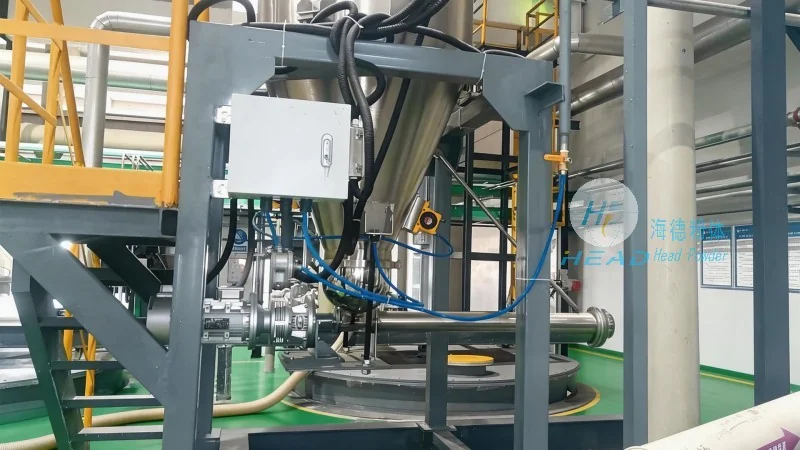
HeadPowder, a leading provider in the industry, offers comprehensive solutions for pneumatic conveying systems. Their expertise in designing and manufacturing these components ensures optimal performance and reliability. The company’s commitment to quality and innovation has made them a trusted partner for many clients in the coke and related industries.
Advantages of Pneumatic Conveying for Coke Powder
There are several advantages to using pneumatic conveying for coke powder transport. One of the main benefits is the ability to handle fine and abrasive materials without causing excessive wear on equipment. This reduces maintenance costs and extends the lifespan of the system. Additionally, pneumatic conveying provides a closed environment, which helps to prevent dust contamination and improve workplace safety.
Another advantage is the flexibility of the system. Pneumatic conveyors can be easily integrated into existing facilities or expanded to accommodate increased production needs. This makes them a cost-effective solution for both new and existing operations. The technology also allows for precise control over the flow rate and pressure, ensuring consistent and reliable transport of coke powder.

Considerations for Implementing Pneumatic Conveying
While pneumatic conveying offers many benefits, there are also considerations to keep in mind when implementing such a system. One key factor is the moisture content of the coke powder, as high moisture levels can affect the flowability and cause blockages. Proper drying and conditioning of the material are essential to ensure smooth operation.
Another consideration is the particle size distribution. Fine powders may require additional equipment, such as pre-screening or air classification, to prevent clogging and ensure efficient transport. The system design must also account for the specific properties of the coke powder, including its density and abrasiveness, to select the appropriate components and operating parameters.
HeadPowder provides expert guidance on these considerations, helping clients select the most suitable pneumatic conveying system for their specific needs. Their team of engineers and technicians work closely with clients to assess their requirements and develop customized solutions that maximize efficiency and minimize operational challenges.
Conclusion
In summary, pneumatic conveying is a highly effective method for transporting coke powder, offering numerous advantages over traditional methods. The closed system, ability to handle fine materials, and flexibility make it a preferred choice for many industries. With proper design and maintenance, pneumatic conveying systems can provide reliable and efficient transport of coke powder, contributing to improved productivity and safety in the workplace.