

What is Corn Cob Material Pneumatic Conveying? And What Are Its Design Principles?
Understanding the fundamentals of corn cob material pneumatic conveying is crucial for industries dealing with agricultural byproducts, as it ensures efficient and reliable material handling. This article explores the concept of pneumatic conveying for corn cob materials and delves into the core design principles that underpin such systems.

What is Corn Cob Material Pneumatic Conveying?
Pneumatic conveying, in the context of corn cob material handling, refers to the process of transporting bulk materials like corn cobs through a pipeline using a stream of air or gas. Unlike traditional mechanical methods such as belts or buckets, pneumatic systems utilize air pressure to move the material, offering advantages in terms of flexibility, reduced equipment wear, and the ability to handle materials in a dust-free environment. Corn cob material, being a light, porous, and sometimes sticky agricultural byproduct, presents unique challenges in transportation, making pneumatic conveying an ideal solution for its efficient and hygienic movement.
The Role of Corn Cob Material in Industrial Applications
Corn cobs, derived from the processing of corn kernels, are widely used in various industrial applications, including animal feed production, biofuel generation, and as a raw material for manufacturing products like corn cob charcoal or fiber-based materials. The efficient transportation of these materials is vital to the overall productivity of these processes. Pneumatic conveying systems enable the seamless transfer of corn cobs from storage silos, processing units, or raw material storage areas to processing equipment or packaging facilities, minimizing downtime and operational inefficiencies.
Key Design Principles for Corn Cob Material Pneumatic Conveying Systems
The design of a corn cob material pneumatic conveying system involves several critical principles aimed at optimizing performance, reliability, and cost-effectiveness. These principles include:
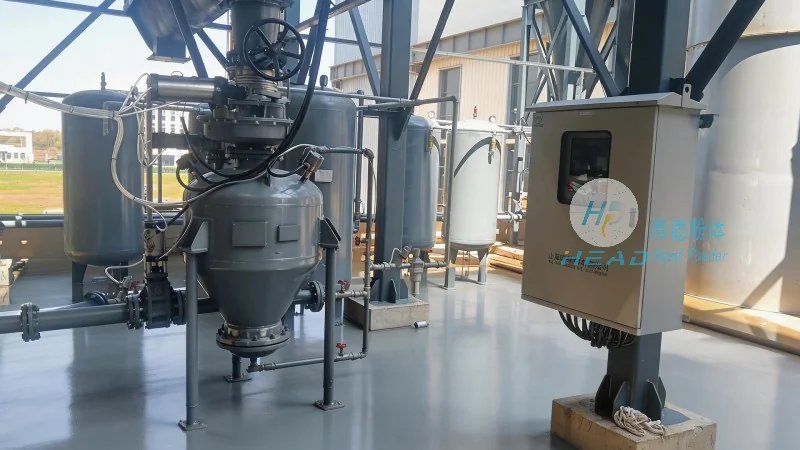
1. Airflow and Pressure Management
Effective pneumatic conveying relies on precise control of airflow and pressure within the system. The velocity of the air stream must be sufficient to lift and transport the corn cob particles without causing excessive wear on the pipeline or components. HeadPowder, a leading engineering company based in Shandong, China, specializes in designing systems that balance air velocity with pressure to ensure optimal material transport while minimizing energy consumption. The company’s expertise in pressure drop calculations and air flow dynamics allows for the development of systems tailored to the specific characteristics of corn cob materials.
2. Material Handling and Pipeline Design
The physical properties of corn cob material, such as its size, density, and moisture content, dictate the design of the conveying pipeline and components. Corn cobs are typically irregularly shaped and can vary in size, which requires the use of appropriate pipe diameters and internal surfaces to prevent blockages and ensure smooth flow. HeadPowder’s engineering team considers factors like particle size distribution, material abrasiveness, and potential for agglomeration when designing pipelines, bends, and fittings. The use of smooth, corrosion-resistant materials for the pipeline, such as stainless steel or specialized plastic composites, is essential to maintain the integrity of the system and prevent material buildup.
3. System Integration and Control
A well-designed pneumatic conveying system integrates various components, including air compressors, feeders, cyclones, and control valves, to achieve seamless operation. The control system plays a pivotal role in regulating the flow of air and material, ensuring that the system operates within safe and efficient parameters. HeadPowder provides comprehensive system integration services, ensuring that all components are coordinated to handle the unique demands of corn cob material. This includes the implementation of advanced control algorithms that monitor pressure, flow rates, and material levels, providing real-time feedback and automated adjustments to maintain optimal performance.

Advantages of Pneumatic Conveying for Corn Cob Materials
Compared to traditional mechanical conveying methods, pneumatic systems offer several advantages when handling corn cob material. These include:
1. Reduced Equipment Wear and Maintenance
Pneumatic conveying minimizes direct contact between the material and the conveying equipment, reducing wear and tear on components like belts, buckets, and rollers. This leads to lower maintenance costs and longer equipment lifespan. HeadPowder’s systems are designed with durable materials and robust components to withstand the abrasive nature of corn cob particles, ensuring reliable operation over extended periods.

2. Hygienic and Dust-Free Operation
For applications where material purity and hygiene are critical, such as in the production of animal feed or food-related products, pneumatic conveying provides a closed system that prevents dust and contamination. This is particularly important for corn cob material, which can generate fine particles that may affect product quality or pose health risks. HeadPowder’s systems are engineered to maintain a sealed environment, minimizing the risk of cross-contamination and ensuring compliance with industry standards.
3. Flexibility and Scalability
Pneumatic conveying systems are highly flexible and can be easily adapted to changing production needs. The ability to reconfigure the pipeline layout or adjust the conveying capacity allows for scalability as production volumes increase. HeadPowder’s modular system designs enable clients to expand their operations without significant capital investment, providing a cost-effective solution for growing businesses.
Conclusion
Corn cob material pneumatic conveying is a sophisticated and efficient method for transporting agricultural byproducts, leveraging the principles of air pressure and flow to achieve reliable material handling. The design of such systems requires a deep understanding of the material's properties and the integration of advanced engineering solutions. HeadPowder Engineering Co., Ltd., based in Shandong, China, specializes in the design, development, and implementation of these systems, providing tailored solutions that meet the specific needs of clients in the agricultural and industrial sectors. By adhering to the key design principles outlined above, industries can enhance their operational efficiency, reduce costs, and ensure the consistent quality of their corn cob-based products.