

What is a Dry Limestone Material Pneumatic Conveying System? And What Are Its Design Principles?
Dry limestone, a vital industrial material utilized in sectors like construction, agriculture, and chemical processing, often demands efficient bulk material handling solutions. Pneumatic conveying systems present an effective method by utilizing air or gas to transport dry materials through a pipeline network. These systems are particularly advantageous for limestone due to its characteristics, including particle size, moisture content, and density, which influence the selection of conveying technology.

About Shandong HeadPowder Engineering Co., Ltd.
Shandong HeadPowder Engineering Co., Ltd., commonly referred to as HeadPowder, is a leading provider of engineering solutions for material handling systems. HeadPowder operates from Shandong, China, specializing in the design, manufacturing, and implementation of pneumatic conveying systems customized to client needs. The company’s expertise lies in understanding the unique properties of materials like dry limestone and developing systems that ensure optimal performance, safety, and efficiency.
Design Principles of Pneumatic Conveying Systems for Dry Limestone
The design of a dry limestone pneumatic conveying system involves several critical principles to ensure effective material transport. Key considerations include the material’s physical properties—such as particle size distribution, bulk density, and moisture content—as well as operational parameters like air velocity, pressure, and pipeline layout. The choice between positive and negative pressure systems depends on factors like the distance to be covered, material load, and the need for containment. For dry limestone, a positive pressure system is often preferred as it can handle longer distances and higher loads without risking material degradation or contamination.
Key Components of a Dry Limestone Pneumatic Conveying System
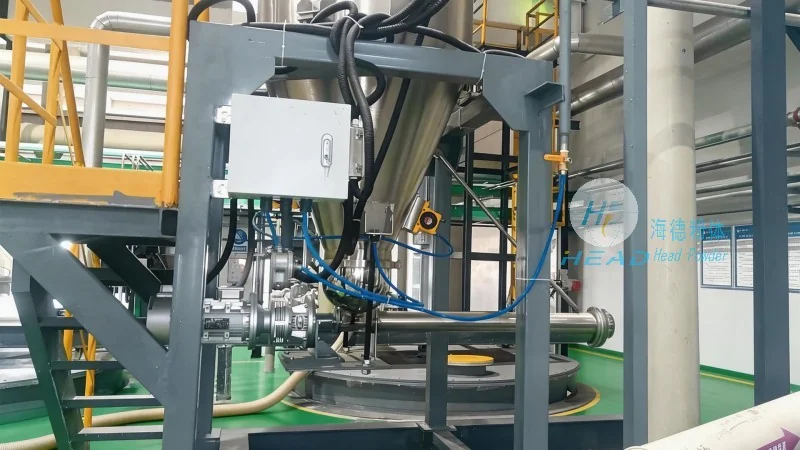
A typical dry limestone pneumatic conveying system comprises several essential components that function together to transport material. These include the material feed hopper (for holding and controlling limestone flow), the air compressor or blower (generating necessary air pressure), the conveying pipeline (transporting material-air mixture), the separation equipment (cyclones or filters, separating material from air), and the discharge hopper (collecting conveyed limestone). Each component plays a critical role in system efficiency and safety. For instance, the feed hopper must prevent material bridging or segregation, while the air compressor must provide consistent pressure to maintain stable flow.

Applications and Benefits of Dry Limestone Pneumatic Conveying
Dry limestone pneumatic conveying systems are widely employed across industries due to their flexibility and efficiency. In construction, they transport limestone to mixing plants for concrete production. In agriculture, they distribute limestone for soil amendment and pH adjustment. Benefits include reduced labor costs, minimized material loss, enhanced safety via eliminating manual handling, and the ability to transport materials over long distances without additional equipment like trucks or conveyor belts. These systems can also integrate with other processing equipment (e.g., grinding mills, storage silos) to create a seamless material handling process.
Conclusion and Contact Information
Comprehending the design principles and components of a dry limestone material pneumatic conveying system is crucial for optimizing material handling processes. Shandong HeadPowder Engineering Co., Ltd. offers specialized solutions tailored to industries dealing with dry limestone. By leveraging their expertise in material handling engineering, HeadPowder provides reliable and efficient systems that boost productivity and safety. For inquiries or to discuss specific material handling needs, contact Shandong HeadPowder Engineering Co., Ltd., located in Shandong, China.