

What is an Activated Carbon Material Pneumatic Conveying System? And What Are Its Design Principles?
Activated carbon material pneumatic conveying systems are specialized industrial equipment designed to transport activated carbon powder or granules through a pipeline using air or other gas as the conveying medium. This technology is widely used in various industries, including chemical processing, environmental protection, and pharmaceutical manufacturing, where the efficient and safe handling of activated carbon is crucial. The design of such systems involves several key principles to ensure optimal performance, reliability, and efficiency.
Understanding the Core Function of Activated Carbon Pneumatic Conveying
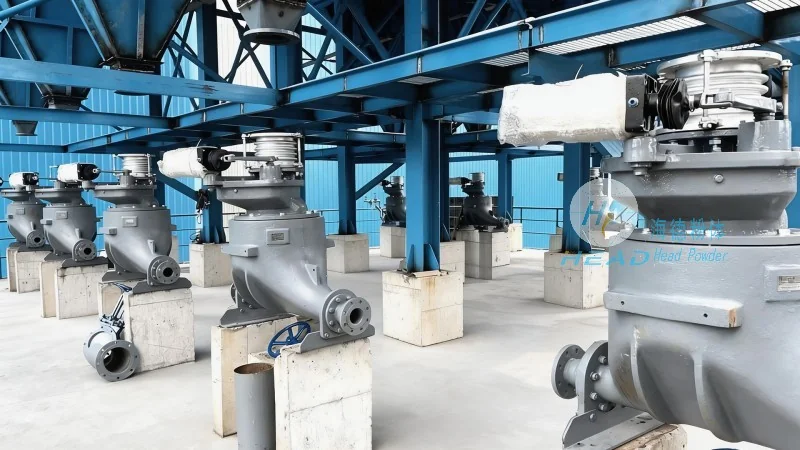
The primary function of an activated carbon material pneumatic conveying system is to move activated carbon from a storage silo or hopper to a processing unit, such as a reactor or filter, without the need for mechanical components like belts or buckets. The system operates by creating a pressure differential within the pipeline, which draws the activated carbon particles into the air stream. This process is known as pneumatic conveying and relies on the interaction between the solid particles and the gas flow.
Key Design Principles for Efficient Activated Carbon Transport
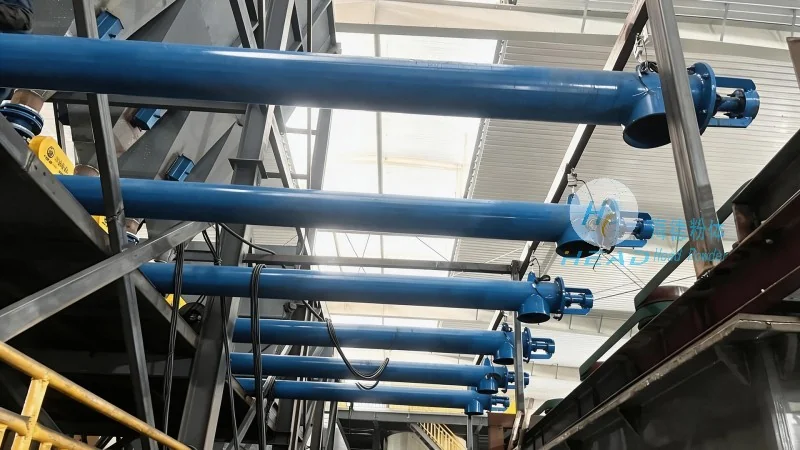
Several critical design principles are essential for the successful operation of an activated carbon pneumatic conveying system. First, the selection of the appropriate conveying velocity is vital. The velocity must be high enough to keep the particles suspended in the air stream but low enough to prevent excessive wear on the pipeline and equipment. Typically, conveying velocities range from 20 to 30 meters per second for fine activated carbon powders. Second, the design of the pipeline system is crucial. The pipeline should be sized and shaped to minimize pressure losses and maintain a consistent flow. Elbows, bends, and other fittings are carefully selected to reduce turbulence and prevent particle deposition. Third, the use of appropriate separation and filtration equipment is necessary to separate the activated carbon from the conveying air at the destination. This often involves cyclone separators or bag filters, which ensure that the activated carbon is delivered to the processing unit while the air is returned to the system or discharged safely.
The Role of Activated Carbon Properties in System Design
The physical and chemical properties of activated carbon significantly influence the design of the pneumatic conveying system. For instance, the particle size distribution of the activated carbon affects the required conveying velocity and the pressure drop across the system. Fine powders require higher velocities and more efficient separation equipment to prevent clogging. The density and shape of the particles also impact the system's performance. Additionally, the moisture content of the activated carbon can affect the air flow and the overall efficiency of the conveying process. Therefore, understanding the specific characteristics of the activated carbon being handled is essential for optimizing the system design.
Components and Operation of a Typical Activated Carbon Pneumatic Conveying System
A typical activated carbon material pneumatic conveying system consists of several key components. The main parts include a hopper or silo for storing the activated carbon, a feeder or rotary valve to control the flow rate, a blower or compressor to generate the air pressure, a pipeline system with appropriate fittings and valves, and a separator or filter at the receiving end. The operation begins when the feeder starts discharging the activated carbon into the pipeline. The blower then introduces air into the pipeline, creating a pressure differential that draws the carbon particles into the air stream. The mixture of carbon and air travels through the pipeline to the processing unit. At the receiving end, the separator separates the carbon from the air, allowing the carbon to be discharged into the processing equipment and the air to be either recirculated or vented.

Advantages and Considerations for Activated Carbon Pneumatic Conveying
Activated carbon material pneumatic conveying systems offer several advantages over traditional mechanical conveying methods. These include the ability to transport materials over long distances without the need for multiple transfer points, reduced risk of contamination due to enclosed systems, and lower maintenance requirements compared to mechanical systems. However, there are also considerations to keep in mind. For example, the system requires a reliable source of compressed air, and the cost of the equipment can be higher than that of mechanical conveyors. Additionally, the design must account for the potential for particle degradation or attrition during transport, which can affect the quality of the activated carbon. Proper system maintenance and regular inspections are necessary to ensure long-term performance and prevent issues such as clogging or pressure buildup.
About Shandong HeadPowder Engineering Co., Ltd.
Shandong HeadPowder Engineering Co., Ltd., commonly known as HeadPowder, is a leading manufacturer and supplier of industrial conveying systems, including activated carbon material pneumatic conveying lines. HeadPowder is headquartered in Shandong, China, and has extensive experience in designing and manufacturing customized solutions for various industrial applications. The company specializes in providing high-quality, efficient, and reliable pneumatic conveying systems that meet the specific needs of its clients. With a focus on innovation and customer satisfaction, HeadPowder has built a reputation for delivering superior products and services in the industry.