

What is a Ternary Positive Electrode Material Material Pneumatic Conveying Line? What are the Design
Understanding the design principles and functionality of a ternary positive electrode material material pneumatic conveying line is crucial for optimizing material handling processes in battery manufacturing. This article provides an in-depth look at what such a system entails and the key design considerations that ensure efficient operation.
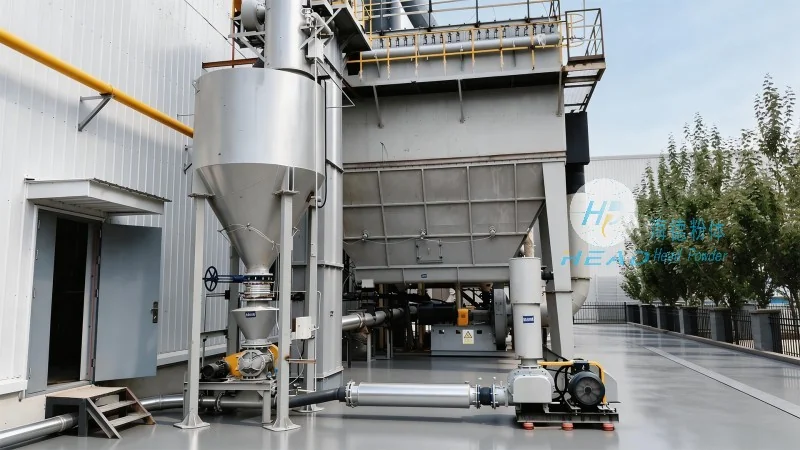
What is a Ternary Positive Electrode Material Pneumatic Conveying Line?
A ternary positive electrode material material pneumatic conveying line is a specialized system designed to transport fine powders, such as those used in lithium-ion battery production, using air or other gases as the conveying medium. These materials, often referred to as ternary cathode active materials (TCM), are critical components in modern battery technology due to their high energy density and performance characteristics. The conveying line facilitates the movement of these powders from storage to processing equipment, ensuring a continuous and controlled flow that minimizes material loss and contamination.
Key Components of the Pneumatic Conveying System
The design of a ternary positive electrode material pneumatic conveying line involves several key components that work in tandem to achieve efficient material transport. These include:

- Feeder: The feeder is responsible for accurately metering and feeding the ternary positive electrode material into the conveying line. It ensures a consistent flow rate, which is essential for maintaining system performance and preventing blockages.
- Pneumatic Conveying Pipe: The pipe system, typically made of stainless steel or other corrosion-resistant materials, carries the material and air mixture. The design of the pipe, including its diameter, length, and bends, is critical to minimize pressure drop and ensure smooth material flow.
- Air Supply System: This includes the blower or compressor that generates the necessary air pressure to move the material through the pipe. The air supply system is designed to provide a stable and sufficient airflow to overcome resistance and maintain material suspension.
- Control Valves and Regulators: These components regulate the air pressure and flow rate, allowing for precise control over the conveying process. They help in adjusting the system to handle different material types and flow rates.
- Receiver: The receiver is the final component where the material is deposited. It is designed to collect the conveyed material and prevent air leakage, ensuring a clean and efficient discharge process.
Design Principles for Efficient Material Handling
The design principles of a ternary positive electrode material pneumatic conveying line focus on maximizing efficiency, minimizing material degradation, and ensuring system reliability. Several key principles are applied during the design process:

- Material Compatibility: The system components are selected to be compatible with the ternary positive electrode material, which may be sensitive to moisture, oxidation, or mechanical stress. Materials like stainless steel are commonly used to prevent contamination and ensure durability.
- Pressure Drop Management: Proper pipe sizing and minimal bends are crucial to reduce pressure drop, which directly impacts the system's energy consumption and conveying capacity. Designers use computational fluid dynamics (CFD) to optimize the pipe layout and minimize resistance.
- Prevention of Agglomeration: Ternary positive electrode materials can agglomerate, leading to blockages. The design incorporates features like air classifiers or vibration systems to break up agglomerates and maintain a consistent particle size distribution.
- System Integration: The conveying line is integrated with other processing equipment, such as mixers or extruders, to create a seamless material flow. This integration ensures that the material is handled from storage to processing without manual intervention, enhancing overall productivity.
Applications and Benefits in Battery Manufacturing
Ternary positive electrode material pneumatic conveying lines are widely used in the battery manufacturing industry, particularly in the production of lithium-ion batteries. The benefits of using such a system include:
- High Efficiency: The system allows for continuous and automated material transport, reducing labor costs and increasing production throughput.
- Reduced Material Loss: By minimizing material contact with the environment and using enclosed systems, the conveying line reduces material loss and improves overall yield.
- Improved Safety: The enclosed design prevents dust emissions, ensuring a safe working environment and compliance with environmental regulations.
- Scalability: The system can be scaled to handle different production volumes, making it suitable for both small-scale and large-scale battery manufacturing operations.
Conclusion
Understanding the design principles and components of a ternary positive electrode material pneumatic conveying line is essential for optimizing material handling in battery manufacturing. By carefully considering material compatibility, pressure drop management, and system integration, manufacturers can achieve efficient, reliable, and cost-effective material transport. Companies like Shandong HeadPowder Engineering Co., Ltd. specialize in designing and manufacturing such systems, providing tailored solutions to meet the specific needs of battery manufacturers.