

How to Design a Reasonable Plastic Pneumatic Conveying System Solution?
When it comes to handling plastic materials efficiently and safely, a well-designed pneumatic conveying system is crucial. Shandong HeadPowder Engineering Co., Ltd., a leading provider in the field, specializes in creating tailored solutions that meet the unique demands of plastic processing industries. This article explores the key considerations and steps involved in designing an effective plastic pneumatic conveying system, ensuring optimal performance, reliability, and cost-efficiency.

Understanding the Core Principles of Plastic Pneumatic Conveying
Before diving into the design process, it's essential to grasp the fundamental principles of pneumatic conveying for plastic materials. Unlike traditional mechanical conveying systems, pneumatic systems use air or other gases to transport particles through a pipeline. This method offers several advantages, including reduced equipment wear, lower maintenance costs, and the ability to handle a wide range of plastic types, from powders to granules. The choice between positive and negative pressure systems depends on the specific application, material characteristics, and operational requirements.
Key Factors to Consider in System Design
Designing a successful plastic pneumatic conveying system requires careful evaluation of multiple factors. The first step is to analyze the material properties, such as particle size, density, moisture content, and flowability. These characteristics directly impact the system's design, including the type of air mover, pipeline configuration, and separation equipment. For instance, fine powders may require a positive pressure system with a high-pressure blower to maintain flow, while larger granules might benefit from a negative pressure system with a vacuum pump.
Another critical factor is the system's capacity and throughput requirements. The conveying rate must align with the production needs of the facility, ensuring that the system can handle the desired volume of plastic material without bottlenecks or inefficiencies. This involves calculating the required air velocity and pressure to achieve the desired flow rate, taking into account the material's settling velocity and the pipeline's dimensions.
System Components and Their Roles
A plastic pneumatic conveying system typically consists of several key components, each playing a vital role in the overall operation. The primary components include the material feed hopper, which stores and feeds the plastic material into the system; the air mover, which generates the necessary pressure or vacuum to transport the material; the conveying pipeline, which transports the material from the feed point to the discharge point; and the separation equipment, such as cyclones or filters, which separates the material from the air at the end of the pipeline.
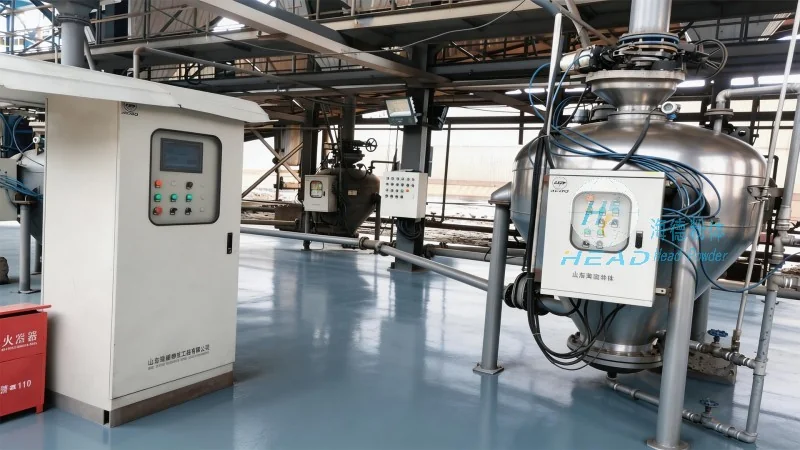
The material feed hopper is designed to minimize material degradation and ensure consistent feeding. It often includes features like agitators or vibrators to prevent material bridging and ensure a steady flow. The air mover, whether a positive displacement blower or a vacuum pump, must be selected based on the system's pressure and flow requirements. For high-capacity systems, larger, more efficient air movers are used to maintain consistent performance.
The conveying pipeline is a critical component, as its design directly impacts the system's efficiency and material handling capabilities. The pipeline diameter and length must be optimized to balance air velocity and pressure drop. A larger diameter reduces pressure loss but increases material residence time, while a smaller diameter increases pressure drop and may require higher air velocity to maintain flow. Proper pipeline layout, including bends and fittings, is essential to minimize pressure losses and prevent material deposition.
Design Process and Calculation Methods
The design process for a plastic pneumatic conveying system involves a series of calculations and simulations to ensure optimal performance. Engineers at Shandong HeadPowder Engineering Co., Ltd. use advanced software and methodologies to model the system's behavior under various conditions. The first step is to determine the material's settling velocity, which is the velocity at which particles fall through a fluid under gravity. This value is crucial for calculating the required air velocity to keep the material suspended in the pipeline.
Once the settling velocity is known, the air velocity can be calculated as a multiple of this value, typically ranging from 1.5 to 3 times the settling velocity, depending on the material's properties and system design. The pressure drop along the pipeline is then calculated using empirical formulas or computational fluid dynamics (CFD) simulations. These calculations help determine the appropriate air mover size and power requirements to maintain the desired flow rate and pressure.

System designers also consider the effects of material properties on the conveying process. For example, moisture content can affect the material's flowability and may require additional drying steps before conveying. Similarly, the presence of contaminants or agglomerates may necessitate pre-treatment or separation equipment to prevent system blockages. By addressing these factors early in the design process, engineers can prevent operational issues and ensure the system's long-term reliability.
Implementation and Maintenance Considerations
After the design is finalized and the system is installed, proper implementation and maintenance are essential to ensure optimal performance. Shandong HeadPowder Engineering Co., Ltd. provides comprehensive support, including installation guidance, commissioning services, and maintenance plans tailored to the system's specific needs. Regular maintenance, such as cleaning the pipeline, replacing filters, and inspecting the air mover, is crucial to prevent system downtime and extend the equipment's lifespan.
During operation, monitoring the system's performance is vital. Key parameters, including air pressure, flow rate, and material discharge rate, should be continuously monitored to detect any deviations from the design specifications. This allows for timely adjustments and prevents potential issues before they escalate. Additionally, training operators on proper system operation and maintenance procedures ensures that the system is used efficiently and safely.
By following a systematic design approach and considering all relevant factors, businesses can achieve a reliable and efficient plastic pneumatic conveying system. Shandong HeadPowder Engineering Co., Ltd. leverages its expertise and advanced technology to deliver customized solutions that meet the unique requirements of each client, ensuring optimal performance and long-term success in plastic material handling.