

How to Design a Reasonable Denitrization Fly Ash Pneumatic Conveying System Plan?
Shandong HeadPowder Engineering Co., Ltd., a professional provider in the field of industrial material handling, offers expert guidance on designing efficient denitrization fly ash pneumatic conveying systems. This article outlines key considerations and steps to ensure a well-structured and reliable system plan, tailored to meet specific industrial requirements.
Understanding the Core Components of a Denitrization Fly Ash Pneumatic Conveying System
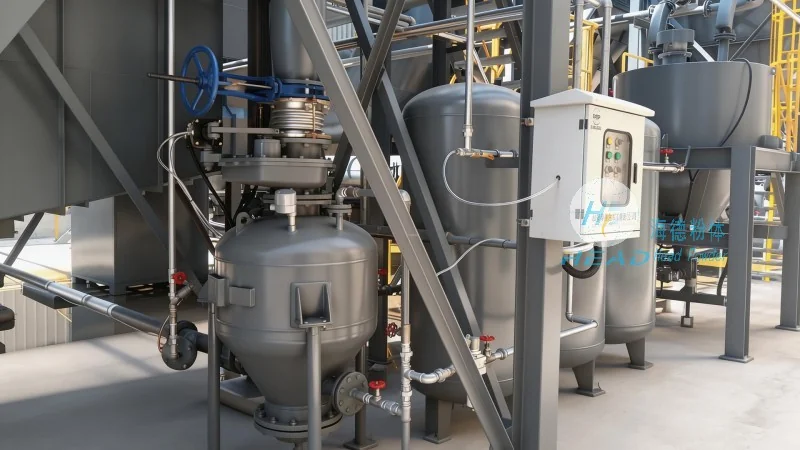
A denitrization fly ash pneumatic conveying system is designed to transport fly ash, a byproduct of coal combustion, from the denitrization unit to storage or disposal facilities. The system typically consists of several critical components, including a material feeder, a conveying pipeline, a positive displacement or centrifugal blower, a filter system, and a control panel. Each component plays a vital role in maintaining system efficiency, safety, and environmental compliance.
Key Design Considerations for System Efficiency and Reliability
When designing a denitrization fly ash pneumatic conveying system, several factors must be carefully evaluated to ensure optimal performance. First, the material characteristics of the fly ash, such as its density, moisture content, and particle size distribution, significantly impact system selection. For instance, high moisture content may require additional drying measures or specialized materials to prevent clogging. The distance and layout of the conveying route also influence the choice of blower type and pipeline diameter. A thorough analysis of these variables helps in selecting the most suitable equipment, reducing operational costs and maintenance needs.
Selection of Conveying Technology: Positive Displacement vs. Centrifugal Blowers
Choosing the appropriate blower type is a critical decision in system design. Positive displacement blowers, such as rotary lobe or roots blowers, are ideal for handling high-density, abrasive materials like fly ash, as they provide consistent airflow and pressure. These blowers are particularly effective in systems requiring high pressure and low airflow rates. In contrast, centrifugal blowers are suitable for longer conveying distances or when handling lighter materials. The selection process involves evaluating the system's pressure requirements, airflow needs, and the specific properties of the fly ash to ensure the chosen blower can deliver the necessary performance without excessive energy consumption.
Pipeline Design and Material Selection for Durability
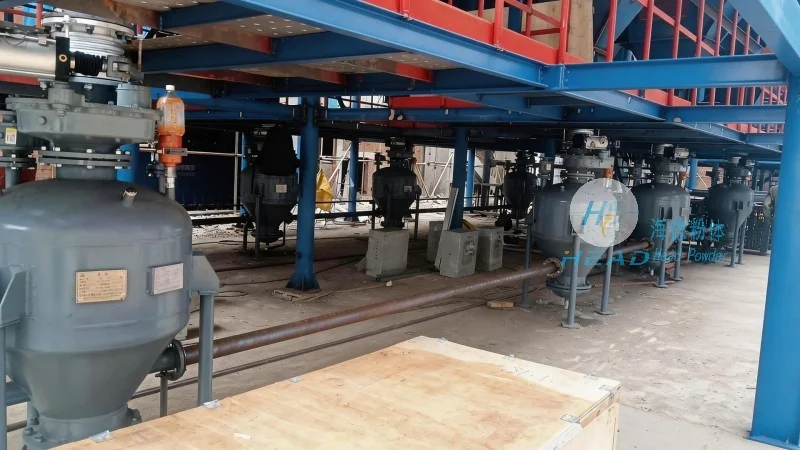
The conveying pipeline is a critical component that must withstand the abrasive nature of fly ash and the operational pressures of the system. Stainless steel or high-grade carbon steel is commonly used for pipeline construction due to its durability and resistance to corrosion. The pipeline diameter is determined based on the material flow rate and velocity, which must be optimized to prevent particle segregation and clogging. Properly sized and supported pipelines ensure smooth material transport and minimize energy losses. Additionally, incorporating bends, elbows, and expansion joints at strategic points helps in reducing pressure drops and maintaining system efficiency.
Filter System and Air Treatment for Environmental Compliance
Environmental regulations mandate that pneumatic conveying systems must minimize dust emissions and treat exhaust air. The filter system, typically a baghouse or cartridge filter, captures fine fly ash particles from the exhaust air, preventing them from being released into the atmosphere. The design of the filter system must consider the dust loading rate and the required filtration efficiency. Regular maintenance of the filter, including cleaning and replacement of filter media, is essential to maintain system performance and comply with environmental standards. Additionally, incorporating an air-cleaning system, such as a wet scrubber or electrostatic precipitator, may be necessary for more stringent emission requirements.
Control and Monitoring Systems for Optimal Operation
Advanced control and monitoring systems are essential for maintaining the efficiency and reliability of a denitrization fly ash pneumatic conveying system. These systems typically include sensors for pressure, flow rate, and temperature, as well as a programmable logic controller (PLC) that regulates the operation of the blower, feeder, and filter. Real-time monitoring allows operators to detect and address issues promptly, such as clogging or pressure drops, before they lead to system failures. Automated control features, such as variable speed drives, help in adjusting the system's performance based on the material flow rate, optimizing energy consumption and reducing operational costs.

Integration with Denitrization Units and Process Flow
The denitrization fly ash pneumatic conveying system must be seamlessly integrated with the existing denitrization unit and overall plant process flow. This integration ensures that the system operates in sync with other equipment, such as the denitrization reactor and ash storage silos. Proper coordination of material flow between the denitrization unit and the conveying system minimizes downtime and maximizes overall plant efficiency. The design process should involve a detailed analysis of the plant layout, material handling sequences, and operational schedules to ensure smooth integration and minimal disruption to the existing process.
Maintenance and Troubleshooting Guidelines
Regular maintenance is crucial for the long-term performance and reliability of a denitrization fly ash pneumatic conveying system. A comprehensive maintenance plan should include routine inspections of critical components, such as the blower, pipeline, and filter system. Scheduled cleaning of the pipeline and filter, as well as replacement of worn parts, helps in preventing clogging and maintaining system efficiency. Troubleshooting procedures should be established to address common issues, such as pressure drops, material buildup, or filter clogging. By following these guidelines, operators can minimize downtime and extend the lifespan of the system, ensuring consistent and reliable operation.
Conclusion: Ensuring a Reliable and Efficient System
Designing a reasonable denitrization fly ash pneumatic conveying system requires a thorough understanding of material characteristics, system components, and operational requirements. By considering factors such as material properties, blower selection, pipeline design, and environmental compliance, engineers can develop a system that meets the specific needs of the industrial application. Shandong HeadPowder Engineering Co., Ltd. provides expert consultation and engineering services to help clients design and implement efficient and reliable denitrization fly ash pneumatic conveying systems, ensuring optimal performance and compliance with industry standards.