

How to Design a Reasonable Metal Silicon Pneumatic Conveying System Plan
When it comes to handling metal silicon, selecting the right pneumatic conveying system is crucial for efficiency and reliability. This guide will walk you through the key considerations and steps to design a system that meets your operational needs.
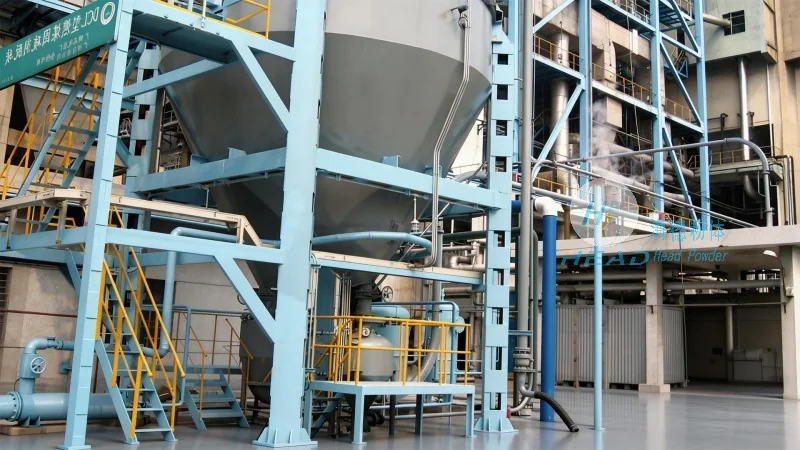
Understanding the Core Requirements for Metal Silicon Pneumatic Conveying
Before diving into system design, it's essential to understand the specific characteristics of metal silicon. This material often has unique properties such as high density, abrasive nature, and potential for dust generation. These factors directly impact the choice of equipment and system configuration. For instance, the abrasive quality of metal silicon can lead to increased wear on components, necessitating the use of high-quality materials like stainless steel or specialized coatings. Additionally, its high density may require higher air pressure or more robust pump designs to ensure effective transport. The dust generation aspect also highlights the importance of proper filtration and dust control measures to maintain air quality and comply with environmental regulations.
Key Design Elements for an Efficient Metal Silicon Pneumatic Conveying System
The design of a metal silicon pneumatic conveying system involves several critical components that work in harmony to ensure smooth operation. The primary elements include the material feed system, the conveying pipeline, the air supply unit, and the dust collection and filtration system. The material feed system must be capable of handling the bulk metal silicon without causing blockages or spillage. This often involves using feeders like rotary valves or screw conveyors that can handle abrasive materials effectively. The conveying pipeline is typically made of stainless steel or other corrosion-resistant materials to withstand the abrasive nature of metal silicon. The air supply unit, which may include a blower or compressor, provides the necessary pressure to move the material through the pipeline. The system's design must also consider the length and layout of the pipeline, as well as any changes in elevation or direction, to ensure consistent air flow and material transport. Finally, the dust collection and filtration system is vital for maintaining air quality and preventing dust accumulation in the system. This typically involves using high-efficiency filters and proper venting to remove fine particles from the air stream.

Choosing the Right Conveying Method for Metal Silicon
There are several pneumatic conveying methods available, and the choice depends on the specific application and material characteristics. The most common methods include positive pressure, negative pressure, and mixed pressure systems. Positive pressure systems use a blower to push air and material through the pipeline, making them suitable for long-distance or high-capacity applications. Negative pressure systems, on the other hand, use a vacuum to draw material into the pipeline, which is often preferred for short-distance or low-volume applications. Mixed pressure systems combine both positive and negative pressure elements, offering flexibility for various operational conditions. For metal silicon, the choice of method may also depend on the system's layout and the need to minimize material degradation or contamination. It's important to evaluate the pros and cons of each method based on factors such as material flow rate, pipeline length, and energy consumption to select the most appropriate conveying method.

Ensuring System Reliability and Maintenance
Reliability is a top priority when designing a metal silicon pneumatic conveying system. Regular maintenance and proper system design are essential to minimize downtime and maximize operational efficiency. The system should be designed with easy access to components for maintenance and cleaning, as metal silicon can cause buildup and blockages over time. Regular inspections of the pipeline, feeders, and air supply unit are necessary to detect any signs of wear or damage. Additionally, using high-quality materials and components can extend the system's lifespan and reduce the need for frequent repairs. Proper training for operators on system operation and maintenance is also crucial to ensure the system runs smoothly and efficiently. By implementing a comprehensive maintenance plan and selecting durable components, you can ensure the long-term reliability of your metal silicon pneumatic conveying system.

Case Study: Successful Implementation by Shandong HeadPowder Engineering Co., Ltd.
Shandong HeadPowder Engineering Co., Ltd., a leading provider of pneumatic conveying solutions, has successfully implemented metal silicon pneumatic conveying systems for various clients. One notable project involved designing a system for a metal silicon processing plant that required transporting material over a distance of 500 meters. The system was designed using a positive pressure method with stainless steel pipelines and high-efficiency filters. The feed system was equipped with a rotary valve to handle the abrasive material, and the air supply unit was sized to provide sufficient pressure for the entire pipeline. The system has been in operation for over two years, with minimal downtime and high material throughput. This success demonstrates the effectiveness of a well-designed metal silicon pneumatic conveying system and the expertise of Shandong HeadPowder Engineering Co., Ltd. in providing tailored solutions for industrial applications.
Conclusion: Designing a Reliable Metal Silicon Pneumatic Conveying System
Designing a reasonable metal silicon pneumatic conveying system requires careful consideration of material properties, system components, and operational requirements. By understanding the unique characteristics of metal silicon and selecting the appropriate equipment and methods, you can ensure an efficient and reliable system. The key is to balance performance, durability, and maintenance needs to achieve optimal results. Whether you are setting up a new facility or upgrading an existing system, following these guidelines and consulting with experts like Shandong HeadPowder Engineering Co., Ltd. can help you design a system that meets your specific needs and delivers long-term success.