

How to Design a Proper Limestone Powder Pneumatic Conveying System
When it comes to handling limestone powder efficiently and safely, a well-designed pneumatic conveying system is crucial. The process of selecting and implementing the right equipment and design parameters can significantly impact operational efficiency, material quality, and overall system reliability. This article aims to provide a comprehensive guide on how to design a reasonable limestone powder pneumatic conveying system, ensuring optimal performance and minimal maintenance issues.

Understanding the Core Components of a Limestone Powder Pneumatic Conveying System
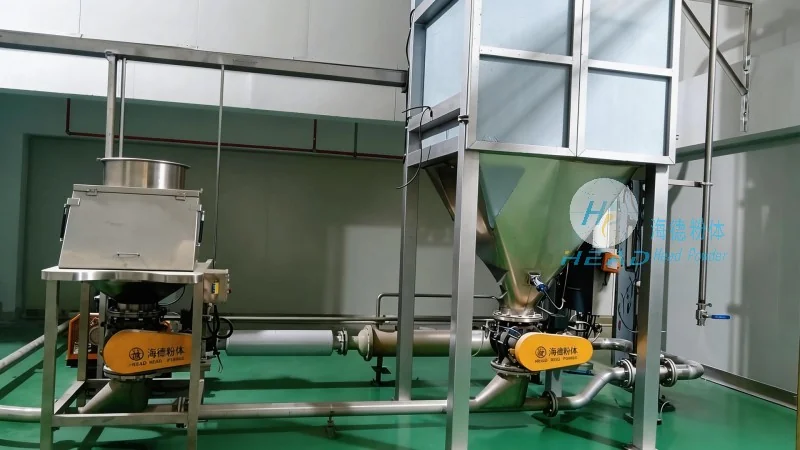
A pneumatic conveying system for limestone powder typically consists of several key components. The primary elements include a material feed hopper, a rotary airlock valve, a conveying pipeline, a dust separator (such as a cyclone or bag filter), and a dust collection system. Each component plays a vital role in the overall operation, and their selection must be based on the specific characteristics of the limestone powder, such as particle size, moisture content, and bulk density. For instance, the feed hopper must be designed to handle the material's flow characteristics, preventing bridging or caking, which can lead to blockages in the system.
Key Design Considerations for Limestone Powder Pneumatic Conveying
Several critical factors must be considered when designing a limestone powder pneumatic conveying system. First, the system's capacity and flow rate requirements must be determined based on the production needs and material handling volumes. This involves calculating the required air velocity and pressure to ensure that the limestone powder is conveyed effectively without excessive energy consumption. Second, the choice of conveying method—whether it's a positive pressure system, negative pressure system, or a hybrid approach—depends on the distance and layout of the conveying line. Positive pressure systems are generally preferred for longer distances as they offer better control over material flow and reduce the risk of contamination from external air.
Equipment Selection for Limestone Powder Handling
Choosing the appropriate equipment is essential for a reliable limestone powder pneumatic conveying system. The rotary airlock valve, for example, is a critical component that controls the flow of material from the hopper into the conveying line. It must be designed to handle the specific characteristics of limestone powder, such as its abrasive nature, to prevent wear and tear. Similarly, the dust separator and filter system must be capable of handling the fine particles of limestone powder, ensuring that the air is cleaned and the material is recovered efficiently. The use of high-quality materials for the conveying pipeline, such as stainless steel or special coatings, is also important to prevent corrosion and material buildup.
Optimizing System Performance and Maintenance
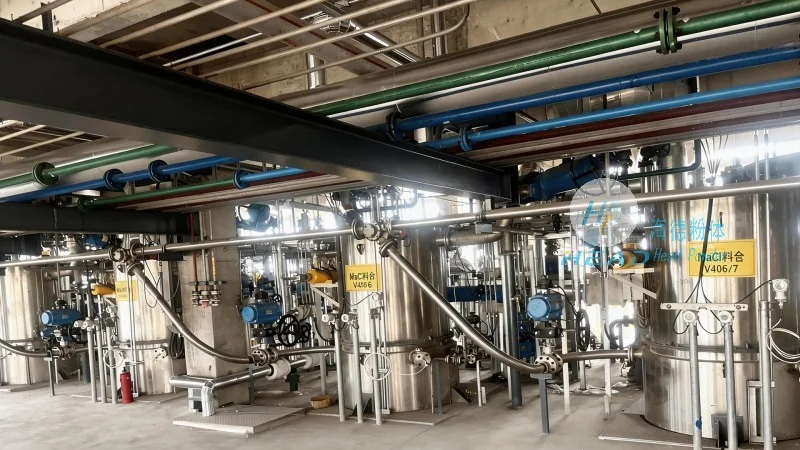
Once the system is installed, optimizing its performance and ensuring regular maintenance are crucial for long-term reliability. Regular cleaning of the conveying pipeline and components, such as the rotary airlock valve and dust separator, is necessary to prevent clogging and maintain efficient operation. Monitoring the system's pressure and flow rates can help identify potential issues before they become major problems. Additionally, using advanced control systems can help automate the operation and adjust the air flow and pressure based on real-time conditions, improving overall efficiency.
About Shandong HeadPowder Engineering Co., Ltd.
Shandong HeadPowder Engineering Co., Ltd., operating under the brand name headpowder, is a leading provider of engineering solutions for material handling systems. With years of experience in the industry, the company specializes in designing and manufacturing customized pneumatic conveying systems tailored to the specific needs of clients. Headpowder's team of experts works closely with clients to understand their requirements and develop solutions that meet their operational and budgetary constraints. The company's headquarters is located in Shandong, China, where it has established a strong presence in the material handling sector.