

Working Principle and Features of Crystalline Material Conveying Systems
Crystalline material conveying systems play a vital role in modern industrial operations, particularly in sectors that require the precise handling of solid materials with defined crystalline structures. These systems are engineered to transport materials such as pharmaceutical powders, chemical intermediates, and food additives while maintaining integrity, controlling flow rates, and ensuring safety. The technology behind these systems integrates mechanical engineering principles with specialized components to address the unique challenges of handling crystalline substances, which often have properties like high density, moisture sensitivity, or tendency to agglomerate.

Working Principle of Crystalline Material Conveying Systems
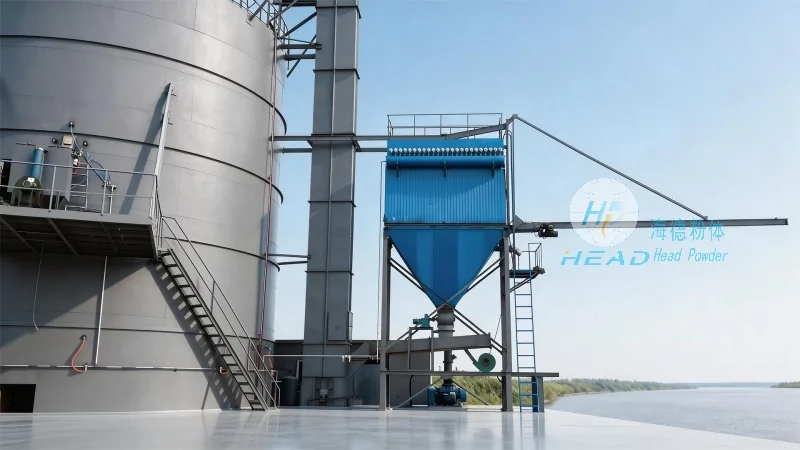
The fundamental working principle of a crystalline material conveying system involves the controlled movement of material from a source to a destination through a series of interconnected components. The process typically begins with the material being fed into a hopper or feeder, where it is then transferred to a conveyor mechanism. For dry, free-flowing crystalline powders, screw conveyors are commonly employed due to their ability to maintain a consistent flow rate and prevent material degradation. These conveyors use a rotating screw to push material forward, ensuring minimal friction and heat generation. In contrast, pneumatic conveying systems are preferred for materials that are sensitive to moisture or require airtight containment. These systems use compressed air to transport material through a pipeline, with the air velocity carefully controlled to prevent material degradation or blockages. The entire system is equipped with sensors and control valves to monitor and adjust the flow rate, pressure, and temperature in real-time, ensuring optimal performance and safety.
Key Features of Crystalline Material Conveying Systems
Crystalline material conveying systems are distinguished by several key features that enhance their effectiveness and reliability in industrial applications. One of the most critical features is the ability to maintain a consistent material flow rate, which is essential for processes that require precise dosing or batching. This is achieved through the integration of variable speed drives and flow meters that provide real-time feedback on the material's movement. Another important feature is the hygienic design, which is particularly relevant for the pharmaceutical and food industries. These systems are constructed with smooth, easy-to-clean surfaces and sealed components to prevent contamination and ensure compliance with regulatory standards. Temperature control is also a key feature, as many crystalline materials are sensitive to temperature changes. The systems incorporate heating or cooling elements to maintain the material at its optimal temperature, preventing degradation or changes in physical properties. Additionally, advanced monitoring and control technologies, such as PLC (Programmable Logic Controller) systems and data acquisition software, enable automated adjustments and real-time diagnostics, minimizing downtime and maximizing operational efficiency.

Company Overview: Shandong HeadPowder Engineering Co., Ltd.
Shandong HeadPowder Engineering Co., Ltd., branded as headpowder, is a prominent manufacturer specializing in the design, development, and production of crystalline material conveying systems. The company has built a strong reputation in the industry by delivering high-quality, customized solutions that meet the specific needs of their clients. HeadPowder's engineering team leverages years of experience and cutting-edge technology to create systems that are both efficient and reliable. The company's facilities are equipped with state-of-the-art manufacturing equipment and rigorous quality control processes, ensuring that every product meets or exceeds industry standards. HeadPowder's commitment to customer satisfaction is evident in their comprehensive after-sales support, including installation, training, and maintenance services. With a focus on innovation and sustainability, the company continues to develop new technologies that improve the performance and environmental impact of crystalline material conveying systems.

Application Examples and Benefits
Crystalline material conveying systems are widely utilized across various industries, demonstrating their versatility and adaptability. In the pharmaceutical sector, these systems are crucial for handling active pharmaceutical ingredients (APIs) and excipients, where precision and contamination control are non-negotiable. The systems ensure that the material is transported in a sterile and controlled environment, maintaining its potency and quality. In the chemical industry, they are employed to transport bulk chemicals, such as salts, acids, and solvents, with minimal risk of spillage or exposure. The benefits of using crystalline material conveying systems extend beyond operational efficiency. By automating the material handling process, companies can reduce labor costs, minimize human error, and improve overall productivity. Additionally, these systems contribute to enhanced safety by eliminating manual handling of hazardous materials and reducing the risk of accidents. The integration of advanced control systems also allows for better data management and process optimization, enabling companies to make informed decisions and improve their bottom line.