

Working Principle and Features of Calcium Phosphate Material Conveying Lines
Calcium phosphate material conveying lines are essential equipment in industrial processing, particularly in the production and handling of calcium phosphate compounds. These systems are designed to efficiently transport bulk materials, ensuring smooth and continuous operation in various manufacturing processes. The following sections will explore the working principle and key features of such conveying lines, providing a comprehensive understanding of their functionality and advantages.


The Working Principle of Calcium Phosphate Material Conveying Lines
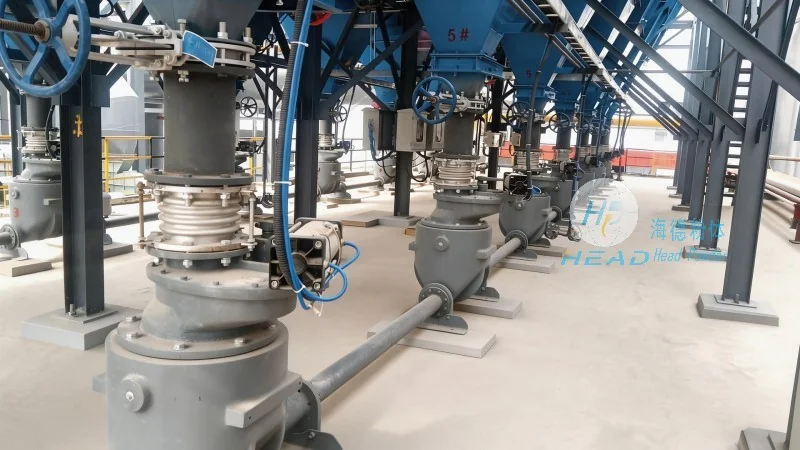
The core working principle of calcium phosphate material conveying lines revolves around the use of mechanical components to move bulk materials from one location to another. Typically, these systems employ a combination of components such as hoppers, feeders, conveyors (e.g., belt conveyors, screw conveyors, or pneumatic conveyors), and control systems. The process begins with the material being fed into a hopper, where it is stored and then transferred to the conveyor system. The feeder regulates the flow of material into the conveyor, ensuring a consistent and controlled rate. The conveyor then transports the material along a predetermined path, often to a processing unit or storage area. Control systems monitor and adjust the operation of the feeder and conveyor to maintain optimal performance and prevent issues like overloading or blockages. This integrated approach ensures that the conveying process is efficient, reliable, and suitable for handling calcium phosphate materials, which may have specific handling requirements due to their physical properties.
Key Features of Calcium Phosphate Material Conveying Lines
Calcium phosphate material conveying lines are characterized by several key features that enhance their performance and adaptability in industrial applications. First, these systems are designed for durability and resistance to corrosion, as calcium phosphate materials can be abrasive or reactive under certain conditions. The use of high-quality materials, such as stainless steel or specialized coatings, ensures that the equipment can withstand the rigors of continuous operation. Second, the conveying lines are equipped with advanced control technologies, including sensors and automation systems, which enable real-time monitoring and adjustment of the process. This allows for precise control over material flow, reducing waste and improving overall efficiency. Third, the systems are modular and customizable, allowing manufacturers to tailor the design to specific production needs. For example, the length, width, and type of conveyor can be adjusted to accommodate different material volumes and processing requirements. Additionally, the conveying lines are designed for easy maintenance and cleaning, which is crucial for maintaining hygiene standards in industries where calcium phosphate is used, such as food processing or pharmaceutical manufacturing. These features collectively contribute to the effectiveness and reliability of calcium phosphate material conveying lines, making them a preferred choice for many industrial applications.

Applications and Benefits in Industrial Processing
The applications of calcium phosphate material conveying lines span across various industries, including chemical manufacturing, food processing, and pharmaceutical production. In chemical manufacturing, these systems are used to transport raw materials and finished products, facilitating the production of calcium phosphate-based compounds used in fertilizers, detergents, and other industrial products. In food processing, the conveying lines are employed to handle calcium phosphate as a food additive, ensuring safe and efficient transportation in compliance with food safety regulations. The benefits of using such conveying lines include improved productivity, reduced labor costs, and enhanced safety in material handling. By automating the conveying process, companies can minimize the risk of accidents and ensure consistent material quality. Furthermore, the efficient design of these systems helps in reducing energy consumption and operational costs, contributing to overall operational efficiency. The adaptability of the conveying lines to different material types and processing requirements makes them a versatile solution for industrial material handling needs.