

Working Principle and Features of Polyethylene Material Pneumatic Conveying Equipment
For industries dealing with polyethylene materials, efficient and reliable material handling is crucial. Pneumatic conveying systems, particularly those designed for polyethylene, offer a solution that combines precision, safety, and versatility. This article explores the working principle and key features of polyethylene material pneumatic conveying equipment, highlighting how it enhances operational efficiency and product integrity.
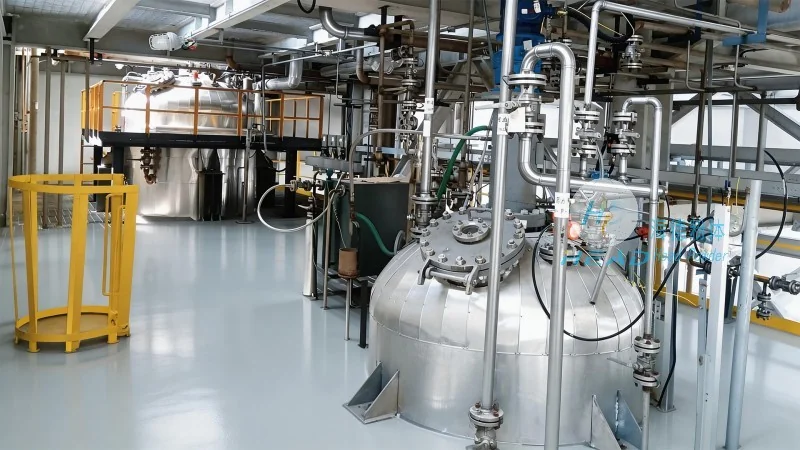
Working Principle of Polyethylene Material Pneumatic Conveying Equipment
The core of polyethylene material pneumatic conveying equipment lies in its ability to transport bulk materials through an air stream. The process typically involves several key components and steps. First, the polyethylene material is introduced into the system, often from a hopper or storage bin. A fan or blower generates a high-velocity air stream that pulls the material particles into the conveying line. The air stream carries the material through the pipeline, maintaining a consistent flow rate. At the discharge point, the air is separated from the material, either through a cyclone separator or a filter, allowing the polyethylene to be deposited in the desired location. This method eliminates the need for mechanical components like belts or screws, reducing maintenance and increasing safety. The system operates by creating a negative pressure or positive pressure environment, depending on the specific design, to ensure the material is transported smoothly and without degradation.

Key Features of Polyethylene Material Pneumatic Conveying Equipment
When evaluating polyethylene material pneumatic conveying equipment, several features stand out as critical for optimal performance. First, the system's ability to handle abrasive or sensitive materials like polyethylene without causing damage is a significant advantage. The design often includes smooth, corrosion-resistant pipelines and components to prevent material degradation or wear. Another key feature is the system's flexibility in terms of layout and integration with existing facilities. Pneumatic conveying systems can be customized to fit various plant layouts, allowing for easy integration into existing production lines. Additionally, the equipment offers high material throughput rates, making it suitable for high-volume applications. The system's low maintenance requirements and energy efficiency are also notable features, contributing to long-term cost savings. Safety features, such as explosion-proof designs and dust suppression systems, are integrated to ensure safe operation, especially when handling polyethylene which can be flammable under certain conditions. The ability to handle both dry and wet polyethylene materials, depending on the system design, adds to its versatility, making it suitable for a wide range of industrial applications.

About Shandong HeadPowder Engineering Co., Ltd.
Shandong HeadPowder Engineering Co., Ltd., commonly known as HeadPowder, is a leading manufacturer of pneumatic conveying equipment and related industrial solutions. With a focus on innovation and quality, HeadPowder specializes in designing and manufacturing systems tailored to the unique needs of polyethylene and other bulk material industries. The company is headquartered in Shandong, China, and serves clients globally with reliable, efficient, and durable equipment. HeadPowder's commitment to customer satisfaction and technical excellence has established it as a trusted partner in the material handling sector, providing solutions that enhance productivity and safety in industrial operations.