

How to Choose the Right Pneumatic Conveying System for Your Quartz Powder Handling Process
When it comes to handling quartz powder in industrial processes, selecting the appropriate pneumatic conveying system is crucial for efficiency, safety, and operational reliability. Quartz powder, with its unique physical properties such as particle size distribution, density, and flow characteristics, requires specialized equipment to ensure smooth and dust-free transfer. This article provides a comprehensive guide on how to choose the right pneumatic conveying system for your quartz powder handling process, focusing on key factors, system types, and practical considerations to help you make an informed decision.

Understanding the Challenges of Quartz Powder Handling
Quartz powder, commonly used in industries like ceramics, glass manufacturing, and chemical processing, presents specific challenges during material handling. Traditional methods such as belt conveyors or screw conveyors often struggle with dust generation, material degradation, and maintenance issues. The abrasive nature of quartz particles can wear down equipment components quickly, leading to increased downtime and operational costs. Additionally, the need for dust control and environmental compliance adds another layer of complexity to the selection process. Therefore, a reliable and efficient conveying system is essential to maintain productivity and meet regulatory standards.
Key Factors to Consider When Choosing a Pneumatic Conveying System
Before selecting a pneumatic conveying system for quartz powder, several critical factors must be evaluated to ensure optimal performance. First, the physical properties of the quartz powder itself play a significant role. Factors such as particle size, density, moisture content, and flowability will determine the most suitable system design. For instance, fine-grained quartz powder may require a system with higher air velocity to prevent clogging, while coarser particles might benefit from lower air velocities to maintain efficiency. Second, the distance and layout of the conveying route are important considerations. Short-distance transfers may be suitable for positive pressure systems, while long-distance or multi-point delivery often necessitates negative pressure or hybrid systems. Third, the required throughput and capacity of the system must align with production demands. Overloading the system can lead to performance degradation and increased energy consumption. Fourth, environmental and safety requirements should not be overlooked. Many quartz powder applications involve hazardous or regulated materials, requiring explosion-proof designs or dust collection systems to comply with local regulations. Finally, the total cost of ownership, including initial investment, installation, and long-term maintenance, should be carefully assessed to ensure the system is both effective and economically viable.

Types of Pneumatic Conveying Systems for Quartz Powder
There are primarily two types of pneumatic conveying systems used for quartz powder: positive pressure and negative pressure systems. Each type has distinct characteristics and is best suited for specific applications.
Positive Pressure Systems
Positive pressure systems, also known as pressure conveying systems, operate by blowing air or gas into the conveying line, pushing the material forward. These systems are ideal for short to medium-distance transfers and high-concentration material transport. They are commonly used in applications where the material is stored in a hopper or silo and needs to be delivered to a processing unit or storage area. Positive pressure systems are known for their high efficiency and ability to handle abrasive materials like quartz powder without significant wear. However, they may require more robust equipment and higher air pressure, which can increase energy consumption. They are also suitable for applications where dust control is critical, as the system can be designed with enclosed hoppers and ducts to minimize dust emissions.
Negative Pressure Systems
Negative pressure systems, or vacuum conveying systems, operate by creating a vacuum in the conveying line, drawing the material from the source. These systems are particularly effective for long-distance, low-concentration material transport and are often used when the material is scattered or needs to be collected from multiple points. Negative pressure systems are advantageous for handling fine powders, as they can maintain a consistent flow without clogging. They are also suitable for applications where the material is sensitive to air exposure or where dust collection is required at the source. However, they may have lower throughput compared to positive pressure systems and can be more complex to install and maintain, especially for long-distance runs.
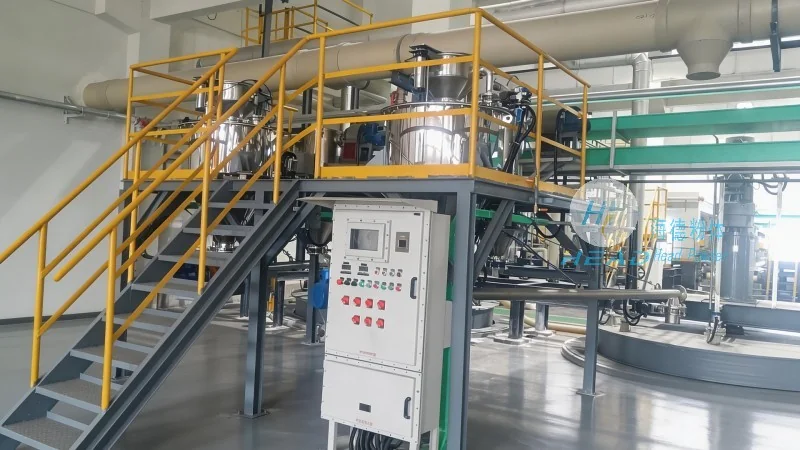
Hybrid Systems
Hybrid systems combine elements of both positive and negative pressure systems, offering flexibility for complex conveying routes. These systems are often used when the material needs to be transported over varying distances or through multiple stages, such as from a hopper to a processing plant and then to a storage facility. Hybrid systems can optimize energy usage by using positive pressure for short segments and negative pressure for longer segments, reducing overall operational costs. They are particularly beneficial for large-scale quartz powder handling operations where efficiency and cost-effectiveness are paramount.
Customization and Engineering Solutions by Shandong HeadPowder Engineering Co., Ltd.
Shandong HeadPowder Engineering Co., Ltd., a leading provider of industrial engineering solutions, specializes in designing and manufacturing customized pneumatic conveying systems tailored to the unique needs of quartz powder handling processes. With years of experience in the industry, HeadPowder understands the challenges associated with handling abrasive and fine materials and offers comprehensive solutions to address them. The company’s engineering team works closely with clients to assess their specific requirements, including material properties, production capacity, and environmental constraints, to develop a system that maximizes efficiency and minimizes downtime.
Design and Installation Considerations
The design of a pneumatic conveying system for quartz powder involves several critical considerations to ensure optimal performance and longevity. First, the system layout must be carefully planned to minimize the number of bends and changes in direction, as these can cause material buildup and wear on components. The use of smooth, corrosion-resistant materials for ducts and hoppers is essential to prevent abrasion from quartz particles. Additionally, the selection of appropriate air filters and moisture separators is crucial to maintain air quality and prevent clogging of the system. For applications requiring dust control, the integration of dust collection systems or explosion-proof designs is necessary to comply with safety regulations. The installation process must also be carried out by experienced professionals to ensure proper alignment, sealing, and commissioning of the system. Regular maintenance and inspection are also vital to prevent issues such as clogging, air leaks, or component wear, which can impact system performance and lifespan.

Benefits of Choosing the Right Pneumatic Conveying System
Selecting the appropriate pneumatic conveying system for quartz powder handling offers numerous benefits, including improved operational efficiency, reduced downtime, and enhanced safety. Efficient systems can handle high volumes of material with minimal energy consumption, leading to lower operational costs. By minimizing dust generation and ensuring proper containment, the system helps maintain a clean and safe working environment, reducing the risk of respiratory issues or equipment damage. Additionally, customized systems from reputable manufacturers like Shandong HeadPowder Engineering Co., Ltd. provide long-term reliability and support, ensuring that the system meets evolving production needs and regulatory requirements. The ability to adapt to different material properties and process changes makes a well-designed pneumatic conveying system a valuable asset for any quartz powder handling operation.
Conclusion
Choosing the right pneumatic conveying system for your quartz powder handling process is a critical decision that impacts the efficiency, safety, and cost-effectiveness of your operations. By considering factors such as material properties, conveying distance, throughput requirements, and environmental regulations, you can select a system that meets your specific needs. Shandong HeadPowder Engineering Co., Ltd., with its expertise in industrial engineering and customized solutions, is a trusted partner in designing and implementing effective pneumatic conveying systems for quartz powder handling. Whether you require a positive pressure, negative pressure, or hybrid system, HeadPowder provides comprehensive support from design to installation and maintenance, ensuring that your quartz powder handling process operates smoothly and reliably.