

Principle and Working Scene Characteristics of Paddy Grain Pneumatic Conveying Equipment
HeadPowder, a leading manufacturer based in Shandong, China, specializes in the design and production of advanced pneumatic conveying systems tailored for paddy grain handling. This article explores the fundamental principles behind these systems and highlights the key working scene characteristics that make them indispensable in modern agricultural processing and logistics operations.

Principle of Pneumatic Conveying for Paddy Grain
The core principle of paddy grain pneumatic conveying equipment is the use of air as the conveying medium to transport bulk materials like paddy grains from one location to another. Unlike traditional mechanical conveyors, which rely on physical components such as belts or buckets, pneumatic systems utilize a pressurized or vacuum air stream to move the grain through a pipeline network. This method offers several advantages, including reduced mechanical wear, lower energy consumption in certain applications, and the ability to handle materials with high moisture content or delicate structures without causing damage.
At the heart of the system is a blower or fan that generates the necessary air pressure. The paddy grain is introduced into the conveying line either by gravity feed or through a hopper, where it is then mixed with the air stream. The combination of air and grain creates a dense phase or dilute phase flow, depending on the system design and operational parameters. Dense phase conveying, for instance, involves a higher concentration of grain in the air stream, which can be more efficient for long-distance transport and reduces the risk of product degradation. Dilute phase systems, on the other hand, are suitable for shorter distances and lighter loads, offering higher throughput rates.
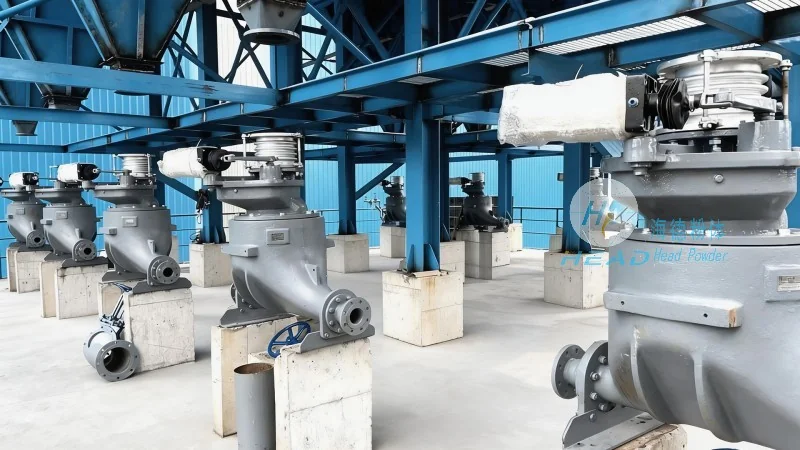
Working Scene Characteristics of Paddy Grain Pneumatic Conveying Systems
The working scene characteristics of paddy grain pneumatic conveying equipment are tailored to meet the specific demands of agricultural processing environments. These systems are commonly used in scenarios such as grain storage facilities, processing plants, and distribution centers where the efficient movement of large volumes of paddy is critical. One key characteristic is the ability to handle varying grain conditions, including raw paddy with husks, paddy after husking (brown rice), and even milled white rice, adapting to different stages of the processing cycle.
Another important characteristic is the system's flexibility in terms of layout and integration. Pneumatic conveying lines can be installed in various configurations, including vertical, horizontal, or a combination of both, to accommodate the spatial constraints of different facilities. This adaptability allows for seamless integration with existing processing equipment, such as cleaning machines, huskers, and milling units, ensuring a smooth flow of material from one stage to the next.
Furthermore, the equipment is designed to minimize dust generation and improve safety in the workplace. By enclosing the conveying process within a pipeline system, the risk of grain dust explosions is significantly reduced, and the overall working environment remains cleaner and more controlled. This is particularly important in environments where grain dust can pose health hazards or interfere with the operation of other machinery.

Company Information and Application Scope
Shandong HeadPowder Engineering Co., Ltd., the manufacturer behind these advanced systems, has a strong presence in the Chinese agricultural machinery market. With a base in Shandong, China, the company leverages local expertise and resources to develop customized solutions that meet the unique needs of paddy grain processing operations. The company's products are known for their reliability, efficiency, and compliance with industry standards, making them a trusted choice for businesses operating in the agricultural sector.
The application scope of paddy grain pneumatic conveying equipment extends beyond traditional farming and processing. It is also utilized in food processing plants, where the equipment helps maintain the quality and integrity of the grain during transportation. Additionally, the systems are suitable for small-scale and large-scale operations, catering to both individual farmers and large agricultural enterprises. This versatility ensures that the equipment can be adapted to various production scales and operational requirements.