

How to Choose the Right Pneumatic Conveying System for Your Denitrizer Delivery Process?
When it comes to managing the delivery of denitrizer in industrial processes, selecting the appropriate pneumatic conveying system is crucial for efficiency, reliability, and cost-effectiveness. The right system ensures that denitrizer is transported safely and efficiently from storage to the point of use, minimizing downtime and operational risks. This guide will help you navigate the key considerations for choosing a suitable pneumatic conveying system tailored to your denitrizer delivery needs.
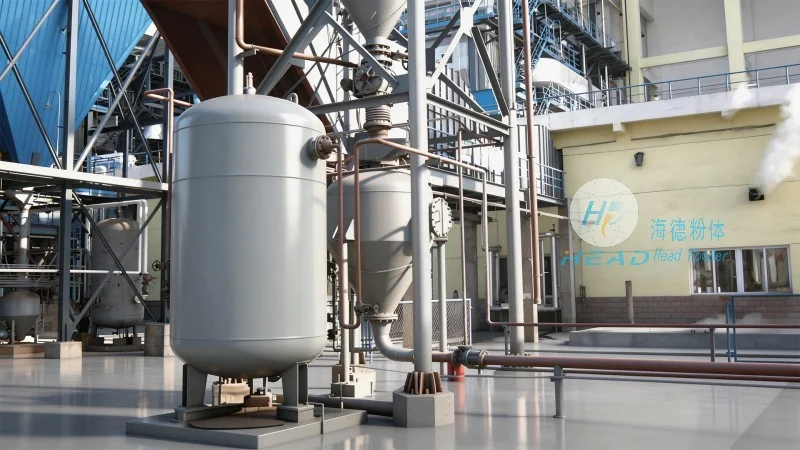
Understanding the unique properties of denitrizer is the first step in selecting an optimal conveying system. Denitrizer, often a fine powder or granular material, has specific characteristics such as particle size, moisture content, and flowability that directly impact system performance. For instance, materials with high moisture content may require systems with enhanced drying capabilities or specialized equipment to prevent clogging. Similarly, the particle size distribution affects the choice between pressure or vacuum conveying systems, as well as the type of airlock or feeder used to control material flow.
Another critical factor is the distance and layout of the delivery route. Whether the denitrizer needs to be transported over short distances within a facility or across long distances between buildings, the system design must accommodate the required conveying velocity and pressure. Short-distance applications might benefit from low-pressure or vacuum systems, while long-distance or high-capacity needs often require high-pressure or dense-phase systems. The layout of the plant, including existing infrastructure and space constraints, also plays a role in determining the feasibility of different system configurations.
System efficiency and energy consumption are key considerations for long-term operational costs. Pneumatic conveying systems vary in their energy requirements, with some designs being more energy-efficient than others. For example, dense-phase conveying systems, which transport material in a compacted form, can achieve higher material-to-air ratios, reducing air consumption and energy costs compared to dilute-phase systems. Additionally, the choice of components, such as high-efficiency fans or variable-speed drives, can further optimize energy use and lower operational expenses over time.

Reliability and maintenance are also essential factors to evaluate. A system that minimizes downtime and requires minimal maintenance is preferable for continuous industrial operations. This includes considering the durability of components, the ease of cleaning and maintenance, and the availability of spare parts. Systems with robust construction and well-designed airlocks, feeders, and control mechanisms are less likely to experience breakdowns or require frequent repairs, ensuring consistent performance and reducing maintenance costs.
Integration with existing processes and equipment is another practical consideration. The chosen pneumatic conveying system should be compatible with the current infrastructure, such as storage silos, hoppers, and processing equipment. This may involve selecting components that can be easily integrated or retrofitting existing equipment to accommodate the new system. Compatibility with control systems and automation is also important, as modern industrial processes often rely on automated control for efficiency and safety.

Cost-effectiveness is a critical factor in any industrial investment. While the initial capital cost of a pneumatic conveying system is a consideration, the total cost of ownership, including energy consumption, maintenance, and operational efficiency, should be evaluated over the system's lifespan. High-pressure systems may have higher upfront costs but can offer greater efficiency and capacity, potentially leading to lower long-term costs. Conversely, simpler systems may have lower initial costs but may require more frequent maintenance or higher energy use, increasing overall expenses.
Consulting with experienced suppliers, such as Shandong HeadPowder Engineering Co., Ltd., can provide valuable insights into selecting the right system. With expertise in denitrizer handling and pneumatic conveying technologies, the company offers tailored solutions that address specific operational challenges. By working closely with the supplier, you can assess different system options, evaluate performance data, and ensure the chosen system meets your unique requirements for efficiency, reliability, and cost-effectiveness.
Ultimately, the goal is to select a pneumatic conveying system that not only meets the immediate needs of your denitrizer delivery process but also supports long-term operational goals. By carefully evaluating material properties, delivery requirements, efficiency, reliability, and cost, you can make an informed decision that enhances productivity and reduces operational risks. The right system will ensure that denitrizer is delivered safely and efficiently, contributing to the overall success of your industrial operations.