

How to Choose the Right Pneumatic Conveying System for Your Calcium Phosphate Dihydrate Handling Process
When it comes to managing the handling and transportation of calcium phosphate dihydrate (often referred to as DCPD or DCP), selecting the appropriate pneumatic conveying system is crucial for maintaining efficiency, safety, and product integrity. The choice of system directly impacts operational costs, material quality, and overall process reliability. For industries that rely on calcium phosphate dihydrate in their production, such as food, pharmaceuticals, and chemical manufacturing, the right system can make a significant difference in performance and outcomes.
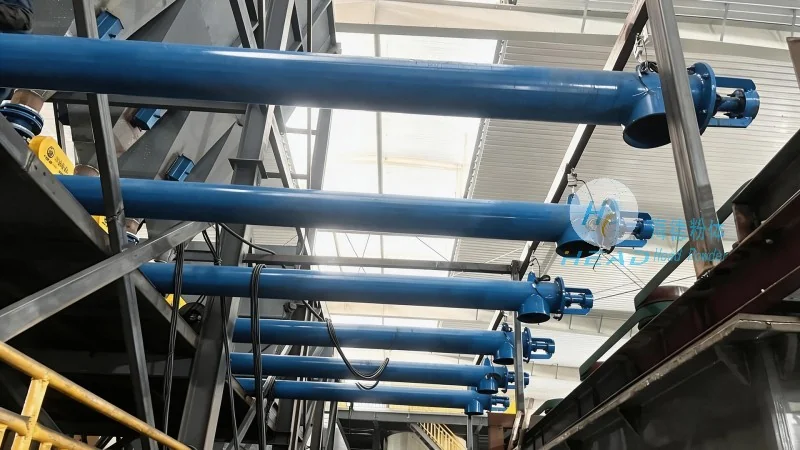
Understanding the Importance of Pneumatic Conveying for Calcium Phosphate Dihydrate
Calcium phosphate dihydrate is a fine, powdery material with specific handling characteristics that require specialized equipment to transport without degradation. Traditional methods like belt conveyors or bucket elevators may not be suitable due to the material's dustiness, hygroscopic nature, and potential for caking. Pneumatic conveying systems offer a solution by using air to move the material through pipelines, reducing the risk of contamination and ensuring a consistent flow. This method is particularly effective for materials that are sensitive to moisture or require a dust-free environment.
Key Factors to Consider When Selecting a Pneumatic Conveying System
Choosing the right pneumatic conveying system for calcium phosphate dihydrate involves evaluating several critical factors. The first consideration is the material's physical properties, including particle size, density, and flowability. These characteristics determine the type of system—such as pressure or vacuum conveying—and the necessary equipment, like rotary valves or airlocks. Another key factor is the distance and elevation change required for material transport. For short distances and low elevations, a simple pressure system may suffice, while longer distances or higher elevations may necessitate a more complex system with multiple stages or booster fans.

Operational requirements also play a significant role. The system must align with the production schedule, ensuring that it can handle varying throughput rates without bottlenecks. Additionally, the need for dust control and environmental compliance is paramount, especially in industries where air quality regulations are strict. Companies must consider the impact of the system on energy consumption, as this can affect long-term operational costs. Finally, the system's maintenance requirements and availability of spare parts are important for ensuring continuous operation and minimizing downtime.
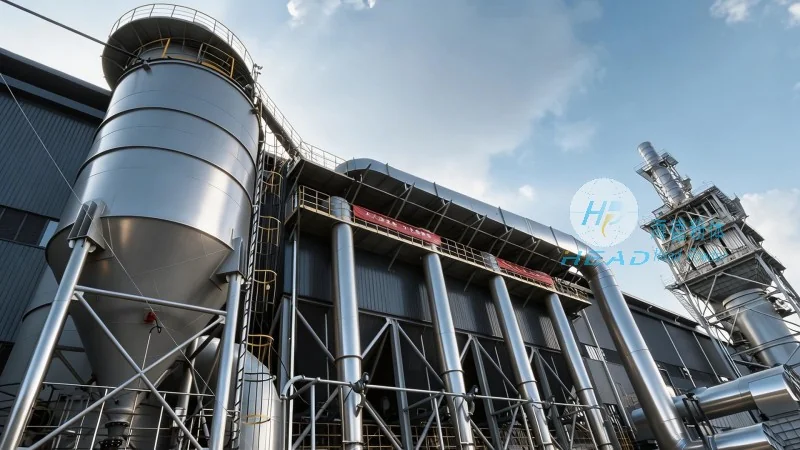
How Shandong HeadPowder Engineering Co., Ltd. Can Assist with System Selection
Shandong HeadPowder Engineering Co., Ltd., operating under the brand name headpowder, specializes in providing tailored pneumatic conveying solutions for calcium phosphate dihydrate and other fine powders. With years of experience in the industry, the company understands the unique challenges associated with handling this material and offers expert guidance in system selection. The team at headpowder conducts thorough assessments of client processes, including material characteristics, production volumes, and operational constraints, to recommend the most suitable system configuration.
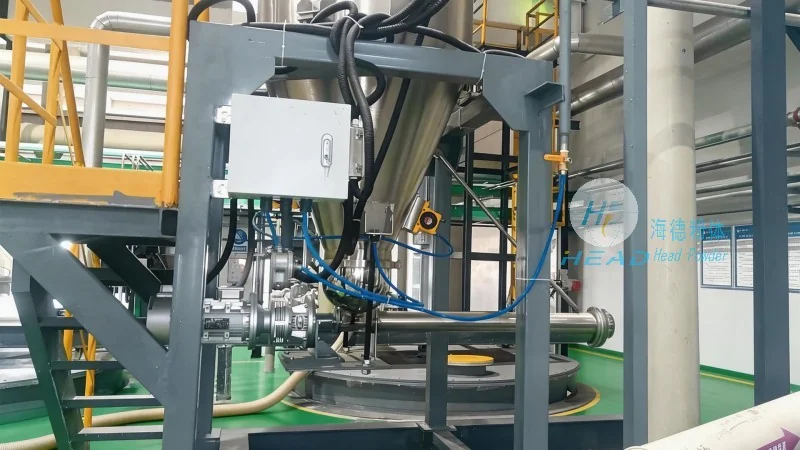
Headpowder's approach involves a comprehensive evaluation process that includes on-site inspections, material testing, and simulations to predict system performance. This ensures that the recommended system not only meets current needs but also accommodates future growth and changes in production requirements. The company provides a range of options, from basic pressure conveying systems to advanced multi-stage vacuum systems, all designed to optimize efficiency and reliability. By leveraging their expertise and customized solutions, clients can achieve improved process control, reduced material loss, and enhanced safety in their calcium phosphate dihydrate handling operations.
Conclusion: Making an Informed Decision for Your Calcium Phosphate Dihydrate Handling
Selecting the appropriate pneumatic conveying system for calcium phosphate dihydrate is a critical decision that impacts operational efficiency and product quality. By considering factors such as material properties, transport requirements, and operational constraints, and working with a knowledgeable partner like Shandong HeadPowder Engineering Co., Ltd., companies can ensure they choose a system that meets their specific needs. The right system not only enhances the handling process but also contributes to long-term cost savings and operational reliability. Whether you are setting up a new facility or upgrading an existing system, the guidance and solutions provided by headpowder can help you achieve optimal performance in your calcium phosphate dihydrate handling operations.