

Principle and Working Scene Characteristics of Sulfur Powder Pneumatic Conveying System Equipment
HeadPowder, officially known as Shandong HeadPowder Engineering Co., Ltd., is a professional manufacturer and supplier based in Shandong, China. The company specializes in the design, development, and production of pneumatic conveying systems, particularly for handling sulfur powder and other similar bulk materials. With a focus on industrial applications, HeadPowder aims to provide efficient and reliable solutions for material transport in various industries.

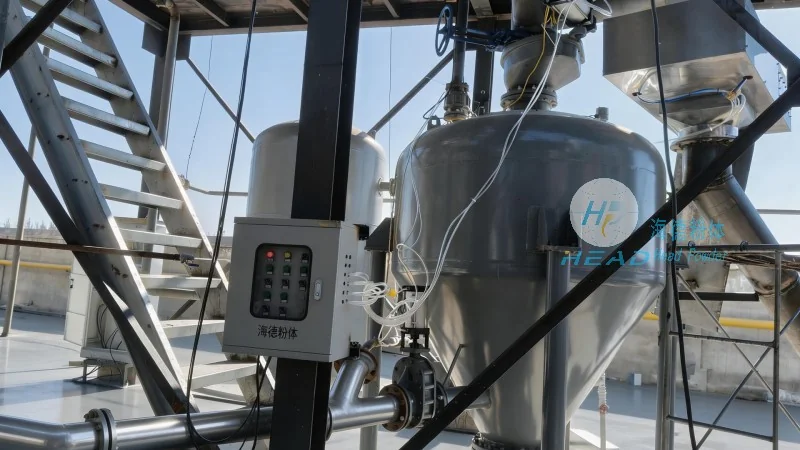
The Principle of Sulfur Powder Pneumatic Conveying Systems
Pneumatic conveying systems for sulfur powder rely on the fundamental mechanism of air flow to move solid particles. The system's core components include a material hopper, a feeder, a pipeline network, a fan or blower, and a discharge unit. The process starts with sulfur powder being fed into the hopper. The feeder then meteredly introduces the powder into the pipeline as the air is blown by the fan. The air velocity is maintained at a level sufficient to keep the powder suspended, preventing it from settling or causing blockages. This suspension is achieved through the Bernoulli principle, where the kinetic energy of the air creates a low-pressure zone that pulls the powder along. The system can operate in either positive or negative pressure modes, depending on the application requirements. Positive pressure systems push the material through the pipeline, while negative pressure systems draw it in, with each mode offering distinct advantages in terms of material handling and environmental control. The fan or blower is typically sized based on the required air volume and pressure drop across the system, ensuring optimal performance and energy efficiency. Proper air flow management is critical to prevent material degradation and maintain consistent conveying rates.
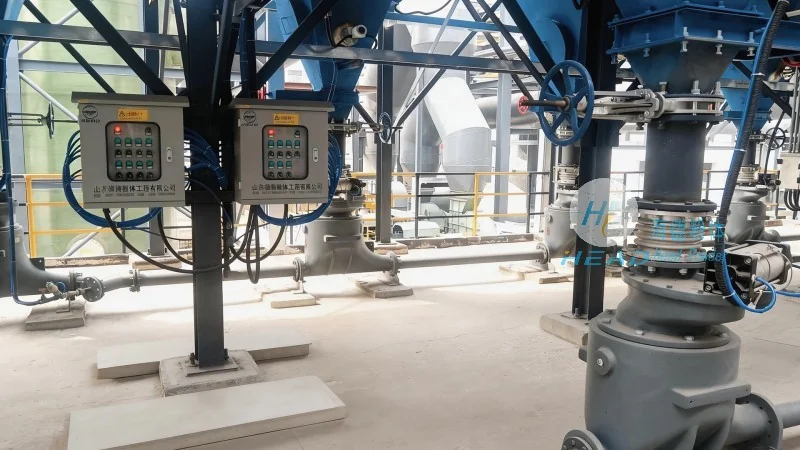
Working Scene Characteristics of Sulfur Powder Pneumatic Conveying Systems
The working scene characteristics of sulfur powder pneumatic conveying systems are designed to address the unique challenges of handling sulfur powder in industrial settings. These systems are typically deployed in sulfur production plants, where they play a critical role in transporting raw sulfur from storage silos to reactors or other processing equipment. The enclosed nature of the conveying system is a key feature, as it prevents sulfur dust from being released into the workplace, thus ensuring compliance with safety and environmental regulations. The system's ability to handle abrasive and corrosive materials like sulfur is another advantage, as the pipeline and components are constructed from materials resistant to chemical attack and wear. Additionally, the flexibility of the pneumatic conveying system allows for integration with existing production lines, enabling seamless material flow and reducing downtime. The working environment is characterized by continuous operation, high material throughput, and the need for reliable, low-maintenance equipment to support 24/7 production schedules. The system's design also considers factors such as space constraints and material handling efficiency, making it suitable for both new installations and retrofit applications in existing facilities.

Advantages and Application Considerations
The sulfur powder pneumatic conveying system offers several advantages that make it a preferred choice for industrial applications. These include the ability to handle fine and cohesive powders without the need for additional additives, the reduction of material degradation due to minimal contact with equipment surfaces, and the overall simplicity of the system design. The system's enclosed design also contributes to better workplace safety by containing dust and preventing exposure to harmful particles. In terms of application considerations, the system's performance is influenced by factors such as particle size, moisture content, and the required conveying distance. Proper sizing of the fan, pipeline diameter, and air velocity is crucial to ensure efficient and reliable operation. The system's adaptability to different production scales, from small-scale pilot plants to large industrial facilities, further enhances its utility in various sulfur processing scenarios. Additionally, the system's low operational costs and minimal maintenance requirements make it economically viable for long-term industrial use.