

Principles and Application Scenarios of Automatic Mixing and Material Conveying Systems
HeadPowder, a leading manufacturer based in Shandong, China, specializes in the design and implementation of advanced automatic mixing and material conveying systems. These systems are integral to modern industrial processes, ensuring efficient and precise handling of bulk materials. The following sections explore the fundamental principles behind these systems and highlight key operational scenarios where they are deployed.


Principles of Automatic Mixing and Material Conveying
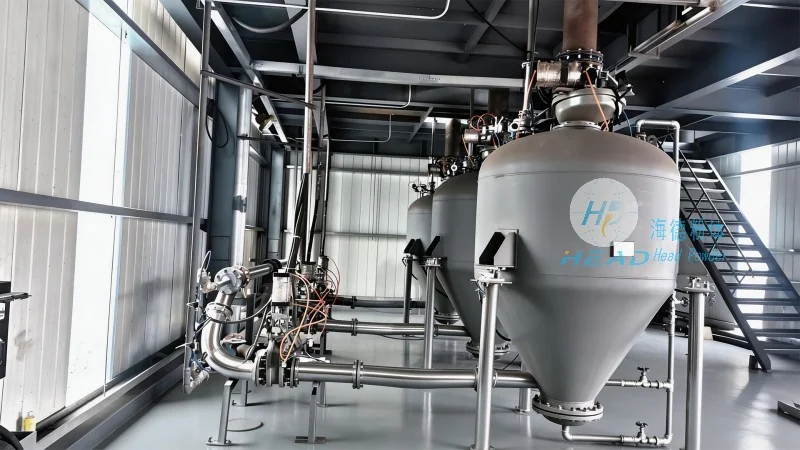
The core principle of automatic mixing and material conveying systems lies in the integration of mechanical, electrical, and control technologies to achieve seamless material handling. At the heart of these systems are components such as conveyors, mixers, and feeding mechanisms, which work in concert to transport, blend, and distribute materials with high accuracy and reliability. The system design typically involves a closed-loop control architecture, allowing for real-time monitoring and adjustment of operational parameters. This ensures that the mixing ratio, flow rate, and material consistency meet stringent industrial standards. For instance, in pharmaceutical or food processing industries, where material purity and homogeneity are critical, these systems employ precise dosing and mixing protocols to maintain product quality. The mechanical design often incorporates durable materials and low-friction components to minimize wear and tear, extending the operational lifespan of the equipment. Electrical components, including sensors and controllers, provide feedback on system performance, enabling proactive maintenance and optimization. Overall, the principle is to create a robust, automated solution that reduces human intervention while enhancing process efficiency and safety.

Key Working Scenarios and Applications
Automatic mixing and material conveying systems are widely utilized across various industries, each with distinct operational requirements. In the chemical industry, these systems are employed for the mixing of reactive powders and the conveyance of raw materials to production lines. The ability to control the mixing ratio and flow rate is crucial for maintaining chemical reactions and product specifications. For example, in the production of fertilizers, precise mixing of nitrogen, phosphorus, and potassium compounds is essential to achieve the desired nutrient composition. The system's ability to handle abrasive materials and maintain consistent mixing ratios ensures high product yield and quality. In the food and beverage sector, these systems are used for the mixing of ingredients in baked goods, beverages, and nutritional supplements. The focus here is on hygiene, safety, and compliance with food regulations. The use of stainless steel components and sealed systems prevents contamination, while the automated feeding process reduces the risk of human error. In the mining and construction industries, material conveying systems are vital for transporting raw ores, aggregates, and construction materials. The high-capacity and durability of these systems make them suitable for heavy-duty applications, where continuous operation is required. The integration of conveyor belts, screw conveyors, and bucket elevators allows for efficient material movement over long distances and varying elevations. In the pharmaceutical industry, the systems are designed to handle sensitive materials, such as active pharmaceutical ingredients (APIs), with strict contamination control measures. The use of positive pressure and filtered air systems ensures that the materials remain sterile and free from particulate matter. The operational scenarios also include batch processing, where the system can be programmed to mix specific quantities of materials for each production run. This flexibility allows manufacturers to adapt to changing production demands and product specifications.
Advantages and Operational Benefits
The adoption of automatic mixing and material conveying systems offers numerous advantages for industrial operations. One of the primary benefits is the significant reduction in labor costs and human error. By automating the material handling process, companies can minimize the need for manual labor, which not only reduces operational expenses but also enhances workplace safety. The systems are designed to operate continuously with minimal downtime, ensuring consistent production output. The precision in material dosing and mixing leads to improved product quality and reduced waste. For instance, in the production of cosmetics, the uniform mixing of pigments and bases results in a consistent product color and texture. The ability to adjust operational parameters in real-time allows for quick response to changes in production requirements, such as scaling up or down production volumes. This flexibility is particularly valuable in industries with fluctuating demand. Additionally, the automated systems contribute to better environmental management by reducing material spillage and optimizing resource usage. The closed-loop control system helps in monitoring energy consumption and optimizing the use of power, leading to lower operational costs and a smaller carbon footprint. The durability and low maintenance requirements of these systems further enhance their long-term cost-effectiveness. Overall, the operational benefits extend beyond efficiency and quality, encompassing safety, compliance, and sustainability.