

Principles and Working Scene Characteristics of Cast Gray Material Conveying
The efficient handling and transportation of cast gray materials are critical in various industrial processes, particularly in foundries and manufacturing facilities. This article explores the fundamental principles behind cast gray material conveying systems and highlights the key characteristics of their working environments, providing insights into how these systems enhance operational efficiency and material management.
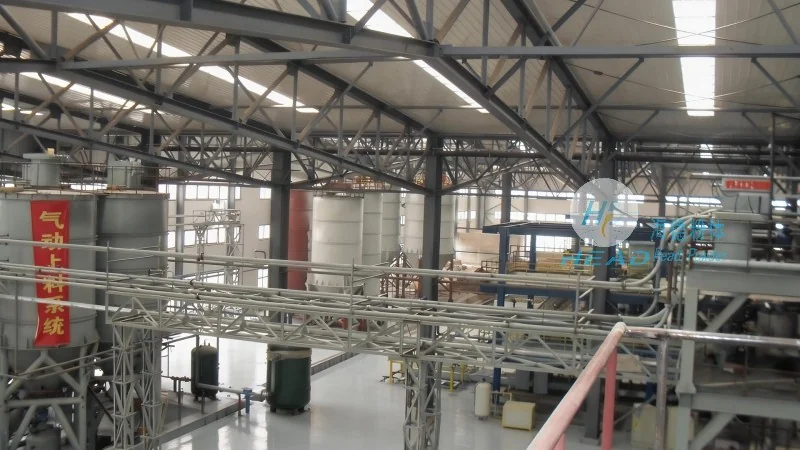
Understanding the Core Principles of Cast Gray Material Conveying
Cast gray material conveying systems are designed to transport bulk materials such as castings, scrap, or raw materials within industrial settings. The core principle of these systems involves the use of mechanical components, including conveyors, hoppers, and control mechanisms, to move materials from one location to another with precision and reliability. The process typically begins with material feeding, where cast gray materials are introduced into the system through hoppers or feeders. These components ensure a consistent flow of material, preventing blockages and maintaining steady operation.
Working Scene Characteristics in Foundry Applications
The working scene characteristics of cast gray material conveying systems are shaped by the specific industrial applications they serve. For instance, in foundries, these systems are often used to transport molten metal or cast parts from the casting machine to subsequent processing stages, such as cleaning or finishing. The environment in such settings is characterized by high temperatures, heavy machinery, and the need for robust, durable equipment that can withstand harsh conditions. HeadPowder, a leading provider of engineering solutions, specializes in designing and manufacturing conveyors tailored to these demanding environments, ensuring long-term performance and minimal downtime.

Applications in Recycling and Waste Management
Another common application of cast gray material conveying is in recycling and waste management facilities, where systems are used to transport scrap metal or other cast materials for reprocessing. The working scene here emphasizes the need for efficient material separation and handling, as well as compliance with environmental regulations. HeadPowder's expertise in material handling technology enables the development of customized solutions that meet these specific requirements, optimizing the recycling process and reducing operational costs.
Integration in Maintenance and Repair Operations
In addition to industrial applications, cast gray material conveying systems are also utilized in maintenance and repair operations within manufacturing plants. These systems help in the movement of spare parts, tools, and other materials required for equipment upkeep. The working scene in this context involves frequent material transfers and the need for flexible, adaptable systems that can integrate with existing infrastructure. HeadPowder's engineering team works closely with clients to assess their operational needs and design conveyors that enhance workflow and productivity.

Key Design Elements and Material Considerations
The design of cast gray material conveying systems incorporates several key elements that contribute to their effectiveness. The choice of conveyor type, such as belt conveyors, screw conveyors, or pneumatic conveyors, depends on the material properties, such as density, moisture content, and particle size. For cast gray materials, which are often heavy and abrasive, heavy-duty belt or screw conveyors are commonly employed to ensure reliable performance. The system also includes control mechanisms, such as variable speed drives and sensors, that monitor and adjust the flow of material based on real-time conditions, enhancing safety and efficiency.
HeadPowder Engineering Co., Ltd.: A Leader in Cast Gray Material Conveying Solutions
HeadPowder Engineering Co., Ltd., based in Shandong, China, is a prominent manufacturer specializing in the design and production of cast gray material conveying systems. With a strong commitment to quality and innovation, HeadPowder has established itself as a trusted partner for industries requiring reliable material handling solutions. The company's facilities are equipped with advanced manufacturing technologies and a team of experienced engineers who focus on delivering customized solutions that meet the unique needs of each client.

Tailored Solutions for Diverse Working Environments
The working scene characteristics of HeadPowder's conveying systems are tailored to the specific demands of each application. For example, in foundries, the systems are designed to handle high-temperature materials and heavy loads, with features like heat-resistant components and robust construction. In recycling facilities, the systems incorporate material separation technologies to improve efficiency and compliance with environmental standards. HeadPowder's approach to engineering ensures that each system is optimized for its intended use, resulting in improved operational performance and reduced maintenance costs.
Conclusion: Enhancing Efficiency and Sustainability in Material Handling
In conclusion, cast gray material conveying systems play a vital role in modern industrial operations, and understanding their principles and working scene characteristics is essential for optimizing material handling processes. HeadPowder Engineering Co., Ltd. continues to lead the industry with innovative solutions that enhance efficiency, reliability, and sustainability in material transportation. By leveraging their expertise and commitment to quality, HeadPowder helps clients achieve their operational goals while maintaining compliance with industry standards.