

Principle and Working Scene Characteristics of Gypsum Ash Material Conveying Lines
HeadPowder, a leading manufacturer in the field of material handling solutions, specializes in the design, production, and installation of advanced conveying systems tailored for handling gypsum ash and similar bulk materials. This article delves into the fundamental principles of gypsum ash material conveying lines and highlights the key characteristics of their application scenarios, providing a comprehensive overview for industry professionals and potential clients.
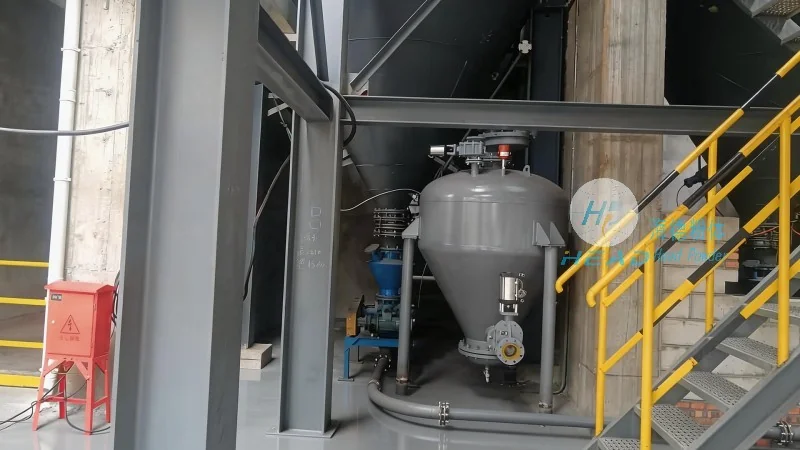
Introduction to Gypsum Ash Material Conveying Lines
Gypsum ash, a byproduct commonly generated in industrial processes such as power generation, cement production, and chemical manufacturing, poses unique challenges in terms of material handling due to its fine particle size, moisture content, and potential for dust generation. Traditional methods of transporting this material often result in inefficiencies, equipment wear, and environmental concerns. To address these issues, specialized conveying lines have been developed, integrating advanced technologies to ensure safe, efficient, and reliable transport of gypsum ash from source to destination.
The Core Principle of Gypsum Ash Material Conveying Systems
The principle of gypsum ash material conveying lines revolves around the use of mechanical components that can effectively handle fine, dry, or slightly moist bulk materials. These systems typically consist of a combination of components including feeders, conveyors (such as belt conveyors, screw conveyors, or pneumatic conveying systems), and control mechanisms. The primary goal is to maintain the integrity of the material during transport, minimize dust emissions, and ensure consistent flow rates. For gypsum ash, which is often abrasive and can cause wear on equipment, the selection of appropriate materials for conveyor components (e.g., high-quality steel, wear-resistant coatings) is critical to prolong equipment lifespan and maintain operational efficiency.

Key Working Scene Characteristics of Gypsum Ash Conveying Lines
The application scenarios for gypsum ash material conveying lines vary widely based on the industry and the specific requirements of the facility. Some of the most common working scene characteristics include:
1. Industrial Power Plants and Thermal Energy Facilities
In power plants, especially those using coal or other fossil fuels, gypsum ash is a significant byproduct of flue gas desulfurization processes. The conveying lines in these settings must be capable of handling large volumes of material over long distances, often from the ash handling area to storage silos or disposal sites. The systems are designed to operate continuously, with high throughput rates to match the production capacity of the plant. Additionally, the equipment must be robust enough to withstand the corrosive and abrasive nature of the ash, which can contain sulfur compounds and other particles that accelerate wear.

2. Cement Manufacturing and Construction Material Production
Cement plants utilize gypsum as a key raw material in the production of Portland cement, and the handling of gypsum ash byproducts is also common. The conveying lines in this sector are often integrated with the existing material handling infrastructure, ensuring seamless transfer of both raw materials and waste products. The systems may involve vertical or inclined conveyors to transport material between different levels of the plant, and the design must consider the varying particle sizes and moisture content of the gypsum ash, which can affect flow characteristics.
3. Chemical and Pharmaceutical Processing Facilities
In chemical and pharmaceutical industries, gypsum ash may be generated as a byproduct from processes involving sulfur compounds or other chemical reactions. The conveying lines in these applications require strict control over dust emissions due to health and safety regulations. Pneumatic conveying systems are often preferred in such environments because they can transport fine powders with minimal dust generation and can be easily integrated with dust collection systems. The systems are also designed to maintain product purity, as any contamination from the conveying process could affect the final product quality.
4. Waste Management and Recycling Operations
For facilities involved in the recycling or disposal of industrial waste, gypsum ash may be part of a broader waste management strategy. The conveying lines in these operations are typically designed for flexibility, allowing for the transport of various waste materials, including gypsum ash, to different treatment or disposal sites. The systems may incorporate sorting mechanisms or additional processing steps to ensure that the material is handled in compliance with environmental regulations. The focus is on efficiency and compliance, with the ability to handle varying volumes and types of waste materials.

Technical Advantages and Customization Options
HeadPowder's gypsum ash material conveying lines are engineered to meet the specific needs of each application, offering several technical advantages. These include adjustable speed control to optimize flow rates, variable tension systems to reduce stress on components, and integrated monitoring systems for real-time performance tracking. The company also provides customization options, allowing clients to select the most suitable conveyor type (e.g., belt, screw, or pneumatic) based on the characteristics of their gypsum ash, such as particle size, moisture content, and bulk density. This flexibility ensures that the conveying system is optimized for both performance and cost-effectiveness.
Conclusion and Company Overview
Gypsum ash material conveying lines are essential components in industries that generate this type of byproduct, offering efficient and reliable solutions for material transport while addressing challenges such as dust control and equipment wear. HeadPowder, with its expertise in material handling technology, provides comprehensive solutions tailored to the unique requirements of each client. Based in Shandong, China, the company combines advanced engineering with practical application knowledge to deliver high-quality conveying systems that enhance operational efficiency and sustainability in industrial settings.