

Principle and Working Scene Characteristics of Corn Starch Material Conveying Lines
For industries dealing with corn starch, efficient material handling is crucial to maintain production efficiency and product quality. The corn starch material conveying line, developed by Shandong HeadPowder Engineering Co., Ltd., based in Shandong, China, represents a specialized solution tailored to the unique properties of corn starch. This article explores the underlying principles of such conveying systems and highlights the key characteristics of their operational environments.
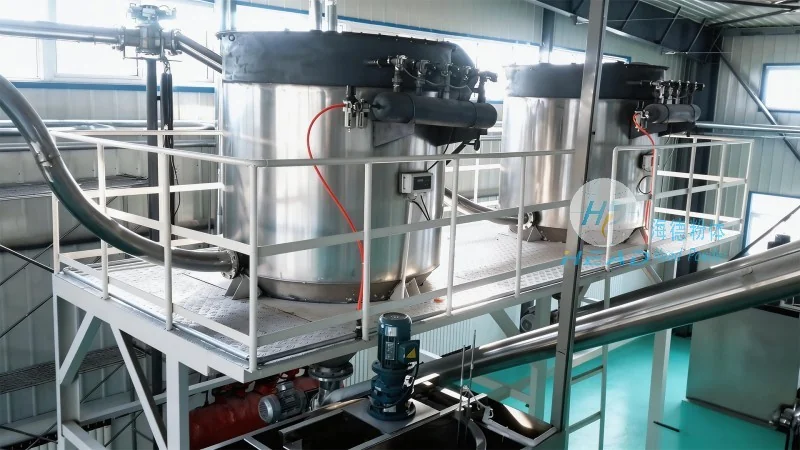
Overview of Corn Starch Material Conveying Lines
Corn starch, a fine powder with excellent flowability under certain conditions, requires specialized conveying equipment to prevent clogging, dust generation, and degradation of product quality. The conveying line typically integrates multiple components, including feeders, conveyors, and control systems, all designed to handle the material's characteristics while ensuring smooth and continuous operation. Shandong HeadPowder Engineering Co., Ltd. specializes in designing and manufacturing these systems, leveraging years of experience in the food and chemical processing sectors.
Principle of Operation for Corn Starch Conveying Systems
The core principle of corn starch material conveying lines revolves around the use of appropriate equipment to manage the material's flow dynamics. For instance, screw conveyors are commonly employed due to their ability to handle fine powders without the need for external power sources like air pressure. These conveyors use rotating screws to move material along a trough, ensuring consistent and controlled transport. In addition, pneumatic conveying systems may be utilized for longer distances or where dust control is a priority, using air pressure to transport the starch through pipelines. The selection of the conveying method depends on factors such as the material's bulk density, moisture content, and the required conveying distance. Shandong HeadPowder Engineering Co., Ltd. conducts thorough material analysis and process simulations to determine the most suitable conveying technology for each application.

Key Working Scene Characteristics
The operational environment of corn starch material conveying lines is characterized by several factors that influence system design and performance. Firstly, the material's fine particle size and hygroscopic nature mean that dust control is paramount to prevent contamination and ensure worker safety. Conveying systems are often equipped with dust collection and filtration systems to maintain a clean working environment. Secondly, the need for hygiene in food processing applications dictates that all components are constructed from food-grade materials, such as stainless steel, and are easy to clean and sanitize. This is particularly important in industries like food manufacturing, where product purity is non-negotiable. Thirdly, the variability in production volumes and material characteristics requires flexible conveying systems that can adapt to changing conditions. For example, variable speed drives on conveyors allow for adjustments in flow rate based on demand, optimizing energy consumption and preventing overloading. Shandong HeadPowder Engineering Co., Ltd. incorporates these considerations into their designs, ensuring that the conveying lines not only meet operational requirements but also adhere to industry standards and regulations.

Application Scenarios and Industry Integration
Corn starch material conveying lines are widely used across various industries, each with distinct operational requirements. In the food industry, these systems are integral to the production of corn starch-based products, such as starches, syrups, and modified starches. The conveying lines ensure that raw corn starch is efficiently transported from storage silos to processing equipment, minimizing downtime and maximizing throughput. In the chemical industry, similar systems are used for transporting starch derivatives used in pharmaceuticals and industrial applications. The ability to handle different starch formulations, including modified or cross-linked starches, is a key feature of these conveying lines. Additionally, in agricultural processing facilities, the lines facilitate the movement of corn starch from grinding and drying stages to packaging and storage areas. The adaptability of the conveying systems to different production stages and material types makes them a versatile solution for diverse industrial needs. Shandong HeadPowder Engineering Co., Ltd. has successfully implemented these systems in numerous projects, demonstrating their reliability and effectiveness in real-world applications.
Conclusion and Future Considerations
In summary, corn starch material conveying lines are critical components in industries that rely on corn starch as a raw material. The principles of operation, focusing on material flow management and dust control, combined with the specific characteristics of the working environment, such as hygiene and flexibility, define the design and functionality of these systems. Shandong HeadPowder Engineering Co., Ltd., with its expertise and commitment to quality, provides tailored solutions that address the unique challenges of corn starch handling. As industries continue to evolve, the demand for efficient and reliable material conveying systems will remain high, and advancements in technology, such as automated control systems and energy-efficient designs, will further enhance the performance of these lines. The future of corn starch material conveying lies in integrating advanced technologies to improve operational efficiency, reduce costs, and ensure sustainable production practices.