

Principle and Working Scene Characteristics of Powder Pneumatic Conveying System for Lithium-Ion Bat
HeadPowder, a leading engineering company based in Shandong, China, specializes in the design and implementation of advanced powder pneumatic conveying systems tailored for the lithium-ion battery material sector. These systems are engineered to efficiently handle the unique challenges associated with transporting fine powders used in battery production, such as cathode materials, anode powders, and other critical components. The core principle of pneumatic conveying lies in using compressed air or other gases to move particulate materials through a pipeline, offering a flexible and efficient alternative to traditional mechanical conveying methods.


The Working Principle of the System
The pneumatic conveying system operates by creating a pressure differential between the material source and the destination. In a typical setup, a hopper or feeder feeds the powder into a conveying line, where it is suspended and transported by the flow of air. The system can be categorized into two main types: dilute-phase and dense-phase conveying. Dilute-phase systems use higher air velocities to keep particles suspended, suitable for long-distance or high-volume transport. Dense-phase systems, on the other hand, operate at lower velocities, allowing for more controlled and gentle handling of sensitive materials, minimizing particle degradation and agglomeration. HeadPowder’s systems are designed to adapt to these different requirements, ensuring optimal performance based on the specific characteristics of the lithium-ion battery materials being handled.
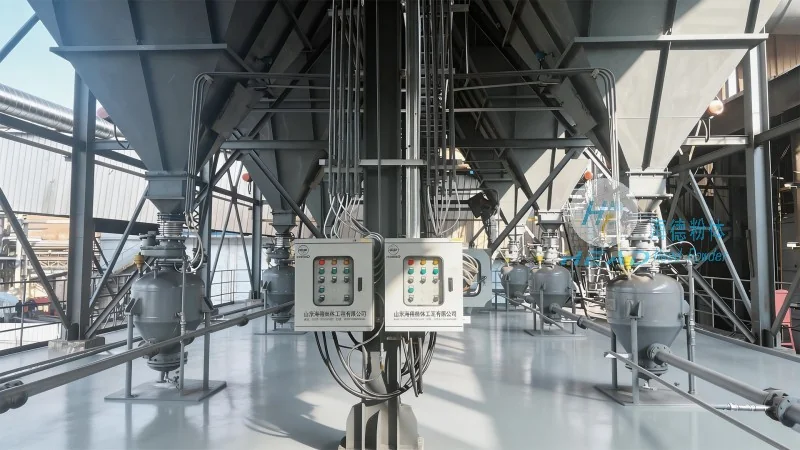
Key Working Scene Characteristics
The application of powder pneumatic conveying systems in lithium-ion battery material processing is characterized by several distinct advantages that make them ideal for modern manufacturing environments. Firstly, these systems provide a dust-free and enclosed transport process, which is crucial for maintaining product purity and adhering to stringent environmental regulations. Unlike mechanical conveyors, which can generate dust and expose workers to airborne particles, pneumatic systems keep the material contained within the pipeline, reducing health hazards and improving workplace safety. Secondly, the flexibility of pneumatic conveying allows for easy integration into existing production lines, enabling manufacturers to reconfigure their setups as production needs evolve. This adaptability is particularly valuable in the dynamic battery industry, where product specifications and production volumes can change rapidly. Additionally, the systems offer high efficiency in terms of material throughput, with the ability to handle large quantities of powder in a continuous manner, reducing downtime and increasing overall productivity. HeadPowder’s expertise in customizing these systems ensures that clients receive solutions that are perfectly matched to their specific operational requirements, whether for small-scale laboratory testing or large-scale industrial production.

Company Background and Expertise
Shandong HeadPowder Engineering Co., Ltd., operating under the brand name HeadPowder, has established itself as a trusted provider of engineering solutions for the powder handling industry. With a strong focus on innovation and customer-centric design, the company has developed a comprehensive range of pneumatic conveying systems tailored for various industrial applications, including the lithium-ion battery sector. HeadPowder’s team of experienced engineers and technicians leverages advanced technology and rigorous testing protocols to ensure that each system meets the highest standards of performance, reliability, and safety. The company’s commitment to quality is reflected in its adherence to international engineering standards and its dedication to providing long-term support to clients, from system design and installation to maintenance and troubleshooting. Based in Shandong, China, HeadPowder benefits from a strategic location that facilitates access to key raw material sources and a robust supply chain, enabling the company to deliver efficient and cost-effective solutions to its global clientele.