

Principle and Working Scene Characteristics of Bicarbonate Powder Pneumatic Conveying Equipment
HeadPowder, a leading enterprise in the field of powder handling technology, specializes in the design, manufacturing, and application of advanced pneumatic conveying systems. This article delves into the core principles and operational characteristics of bicarbonate powder pneumatic conveying equipment, highlighting its practical applications and the technical advantages that make it a preferred solution for various industrial processes.
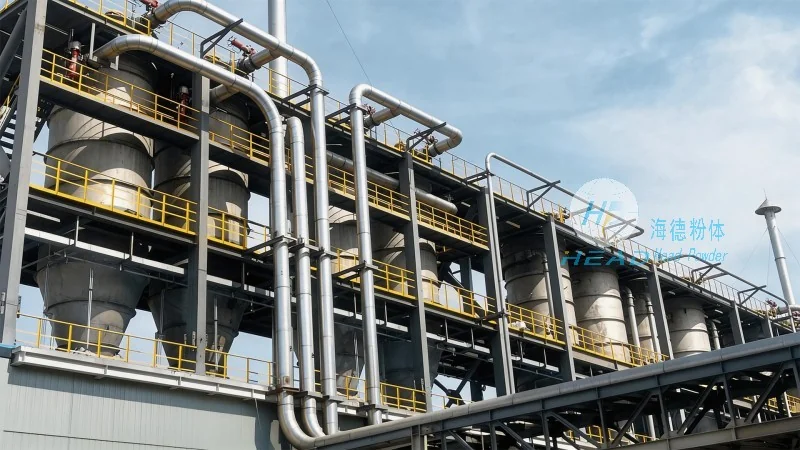
Introduction to Bicarbonate Powder Pneumatic Conveying Equipment
Bicarbonate powder, commonly known as sodium bicarbonate or baking soda, is widely used in industries such as food processing, pharmaceuticals, and chemical manufacturing. The efficient and safe transportation of this fine powder is crucial for maintaining product quality and operational efficiency. Pneumatic conveying systems offer a reliable method to handle bicarbonate powder, ensuring minimal product degradation and optimal process control. HeadPowder Engineering Co., Ltd., based in Shandong, China, has been at the forefront of developing customized solutions tailored to the unique requirements of bicarbonate powder handling.
The Working Principle of Pneumatic Conveying Systems
Pneumatic conveying equipment operates on the principle of using compressed air to transport bulk materials through a pipeline. In the case of bicarbonate powder, the system typically involves a combination of positive and negative pressure zones. The process begins with the powder being fed into a hopper or feeder, where it is then introduced into the conveying line. Compressed air is introduced at the discharge end, creating a flow that propels the powder particles through the pipeline. The velocity of the air and the design of the conveying line are critical factors that determine the efficiency and effectiveness of the system. HeadPowder's engineers have optimized these parameters to ensure smooth and consistent transport of bicarbonate powder, minimizing the risk of blockages and product loss.

Key Components and Their Functions
The bicarbonate powder pneumatic conveying system consists of several key components, each playing a vital role in the overall operation. These include the hopper or feeder, which holds the powder and regulates its flow; the conveying line, which transports the powder from the source to the destination; the air compressor or blower, which provides the necessary pressure and airflow; and the control system, which monitors and adjusts the operation of the equipment. HeadPowder's systems are equipped with high-quality materials, such as stainless steel and food-grade components, to ensure compatibility with bicarbonate powder and meet stringent hygiene standards. The company also integrates advanced sensors and controls to enhance the system's reliability and ease of operation.
Working Scene Characteristics and Applications
The working scene characteristics of bicarbonate powder pneumatic conveying equipment are tailored to the specific needs of different industries. In food processing, for example, the system must comply with food safety regulations and maintain a clean environment. HeadPowder's solutions are designed with sanitary features, including easy-to-clean surfaces and sealed connections, to prevent contamination. In pharmaceutical applications, the system is used to transport active ingredients and excipients, requiring precise control over particle size and moisture content. The company's engineers have developed specialized conveying lines with fine mesh filters and moisture control mechanisms to ensure the quality of the powder. In chemical manufacturing, the system is used to handle various forms of bicarbonate powder, including granules and powders, with the ability to handle different flow rates and pressures. HeadPowder's equipment is versatile and can be adapted to a wide range of industrial applications, making it a flexible solution for diverse operational needs.

Advantages and Benefits of Bicarbonate Powder Pneumatic Conveying Equipment
Implementing a pneumatic conveying system for bicarbonate powder offers numerous advantages over traditional methods, such as bucket elevators or belt conveyors. One of the primary benefits is the ability to transport the powder in a closed system, which minimizes dust generation and environmental contamination. This is particularly important in industries where dust control is a regulatory requirement. The closed system also helps maintain the purity of the powder, preventing contamination from external sources. Another advantage is the reduced risk of product degradation due to minimal exposure to air and moisture. HeadPowder's systems are designed to minimize the contact time between the powder and the conveying air, ensuring that the powder remains in its original state. Additionally, the system is energy-efficient compared to other conveying methods, as it uses compressed air rather than mechanical components that require constant maintenance. The company's engineers have optimized the system's energy consumption by using high-efficiency air compressors and aerodynamic conveying lines, resulting in lower operational costs for the end-user.

Customization and Service Support
HeadPowder Engineering Co., Ltd. understands that each industrial application has unique requirements, and therefore, offers customized solutions for bicarbonate powder pneumatic conveying equipment. The company works closely with clients to understand their specific needs, including the type of bicarbonate powder, the required flow rate, the distance of transport, and the environmental conditions. Based on this information, HeadPowder's engineers design and manufacture a system that meets all the client's specifications. The company also provides comprehensive after-sales service, including installation, commissioning, and maintenance support. HeadPowder's technical team is available to provide on-site assistance and troubleshooting, ensuring that the system operates at peak performance. The company's commitment to quality and customer satisfaction has made it a trusted partner for many industries, including food, pharmaceuticals, and chemicals.
Conclusion
Bicarbonate powder pneumatic conveying equipment is a critical component in many industrial processes, offering efficient, safe, and reliable transportation of this essential material. HeadPowder Engineering Co., Ltd., with its expertise in powder handling technology, provides advanced solutions that meet the unique needs of various industries. By understanding the working principles, key components, and application characteristics of these systems, industries can make informed decisions about implementing pneumatic conveying for their bicarbonate powder handling needs. HeadPowder's commitment to quality, customization, and service support ensures that clients receive a reliable and effective solution that enhances their operational efficiency and product quality.