

Principle and Working Scene Characteristics of Small Bag Weighing Feeder for Powder Pneumatic Convey
HeadPowder, a leading manufacturer based in Shandong, China, specializes in providing advanced solutions for powder handling systems. Among their innovative products is the small bag weighing feeder designed for pneumatic conveying applications. This equipment plays a crucial role in modern industrial processes, ensuring precise material feeding and efficient transport of powders. The following sections will explore the fundamental principles behind this technology and the specific working scenarios where it excels.
Understanding the Core Principle of Small Bag Weighing Feeder
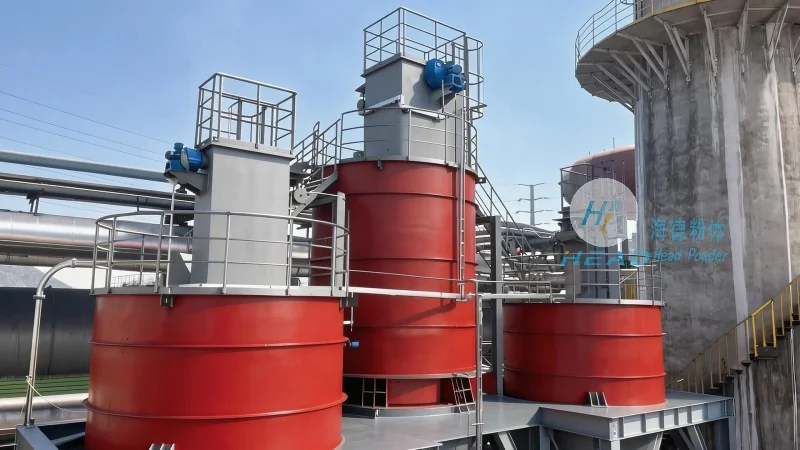
The small bag weighing feeder operates on the principle of gravimetric measurement, which involves accurately weighing the material as it is dispensed from a bag or container. This method ensures that the exact quantity of powder is delivered to the pneumatic conveying system, eliminating the variability often associated with volumetric feeding. The feeder typically consists of a load cell or a set of sensors that measure the weight of the material in real-time. As the bag is emptied, the feeder adjusts the discharge rate to maintain a consistent flow rate, ensuring that the downstream pneumatic conveyor receives a steady supply of material. This precision is achieved through a closed-loop control system that continuously monitors the weight and adjusts the feeder's output accordingly. The result is a highly accurate and reliable feeding process, which is critical for applications where material consistency is paramount.
Key Components and Their Functions
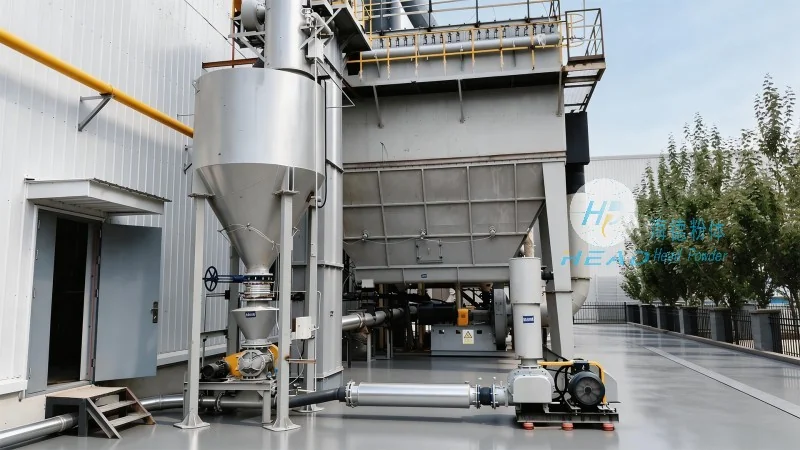
The small bag weighing feeder comprises several key components that work in harmony to achieve its objectives. The primary components include a hopper or receiving chamber, a weighing platform equipped with load cells, a discharge valve or outlet, and a control unit with a digital display and feedback mechanisms. The hopper is designed to hold the material from the bag and facilitate smooth flow into the weighing area. The load cells are strategically placed to measure the weight of the material on the platform, converting the mechanical force into an electrical signal. This signal is then processed by the control unit, which calculates the required discharge rate to maintain the desired weight. The discharge valve, often a rotary valve or a gate valve, regulates the flow of material from the weighing platform to the pneumatic conveying line. The control unit may also include features such as automatic bag opening, level sensors, and alarms to enhance operational safety and efficiency. Each component is engineered to withstand the demands of continuous operation and to handle a wide range of powder types, from fine powders to bulk materials.
Working Scene Characteristics and Applications
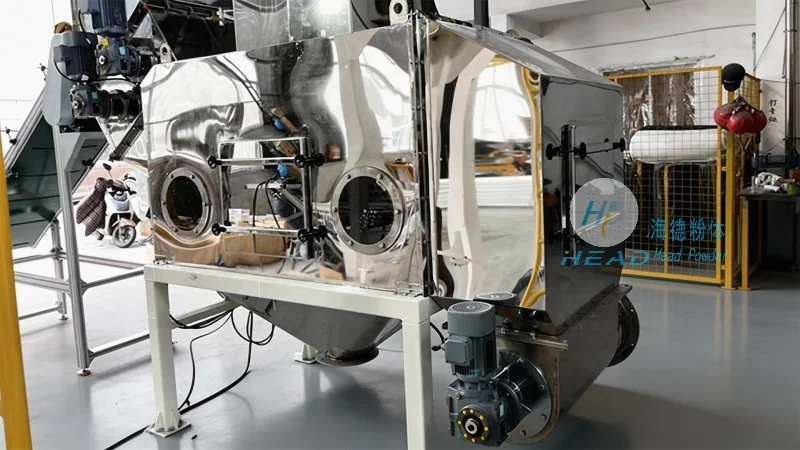
The small bag weighing feeder is particularly well-suited for industrial applications that require precise and controlled feeding of powders into pneumatic conveying systems. Common working scenarios include pharmaceutical manufacturing, where the purity and consistency of raw materials are critical; food processing, where hygiene and accurate dosing are essential; and chemical processing, where precise control of reactant quantities is necessary for reaction efficiency and safety. In pharmaceutical settings, the feeder ensures that the exact amount of active ingredients is delivered to the production line, preventing over or under-dosing that could affect product efficacy. In food processing, it maintains consistent flavor and texture by delivering the correct amount of ingredients such as spices, sugar, or flour. In chemical processing, it helps in controlling the feed rate of catalysts or reagents, optimizing reaction rates and minimizing waste. The feeder's ability to handle various bag sizes and materials makes it versatile for different production scales, from small-scale batch operations to large-scale continuous processes. Additionally, its integration with pneumatic conveying systems allows for seamless material transport from the feeding point to the processing or storage areas, reducing the need for manual handling and improving overall operational efficiency.
Advantages in Modern Industrial Processes
Implementing a small bag weighing feeder in industrial settings offers several advantages that contribute to enhanced productivity and product quality. One of the most significant benefits is the improvement in material accuracy and consistency. Unlike volumetric feeders, which can be affected by changes in material density or flow characteristics, the gravimetric feeder provides a constant weight output, ensuring that the downstream processes receive a uniform feed. This consistency is vital for processes such as mixing, blending, and chemical reactions, where even minor variations can impact the final product. Another advantage is the reduction in material waste. By delivering the exact amount of material required, the feeder minimizes overfilling or underfilling, which can lead to waste or rework. This not only saves costs but also contributes to environmental sustainability by reducing the amount of unused material. Furthermore, the small bag weighing feeder enhances operational safety by eliminating the need for manual handling of heavy bags or containers. The automated feeding process reduces the risk of accidents and strain injuries, creating a safer working environment. The equipment also offers ease of maintenance and integration with existing systems. Its modular design allows for easy replacement of components and compatibility with various pneumatic conveying lines, making it a flexible solution for different industrial setups. Overall, the small bag weighing feeder represents a significant advancement in powder handling technology, providing a reliable and efficient solution for modern industrial applications.

Conclusion and Future Outlook
In conclusion, the small bag weighing feeder for powder pneumatic conveying is a sophisticated piece of equipment that combines precision measurement with efficient material handling. Its core principle of gravimetric feeding ensures accurate and consistent material delivery, making it an indispensable tool in industries where quality and efficiency are paramount. The working scene characteristics and applications highlight its versatility and adaptability to various industrial processes, from pharmaceuticals to food and chemicals. The advantages of this technology, including improved accuracy, reduced waste, enhanced safety, and ease of integration, underscore its value in modern manufacturing environments. As industrial processes continue to evolve, the demand for advanced powder handling solutions will likely increase, and the small bag weighing feeder is poised to play a key role in meeting these needs. With continuous advancements in technology, future developments may include even more precise control systems, integration with digital platforms for real-time monitoring, and compatibility with a wider range of materials. However, the fundamental principles and benefits of this equipment will remain relevant, ensuring its continued importance in the industrial landscape. HeadPowder, as a leading manufacturer in this field, continues to innovate and provide high-quality solutions that meet the evolving demands of the industry, supporting the growth and efficiency of their clients' operations.