

Principles and Operational Characteristics of Pneumatic Conveying Systems for Petrochemical Material
HeadPowder, a leading engineering firm based in Shandong, China, specializes in the design, installation, and maintenance of advanced pneumatic conveying systems tailored for the petrochemical industry. These systems are engineered to efficiently transport a wide range of materials, from powders to granules, with precision and reliability. This article delves into the fundamental principles governing such systems and highlights the key operational characteristics that define their effectiveness in industrial settings.

Core Principles of Pneumatic Conveying Systems
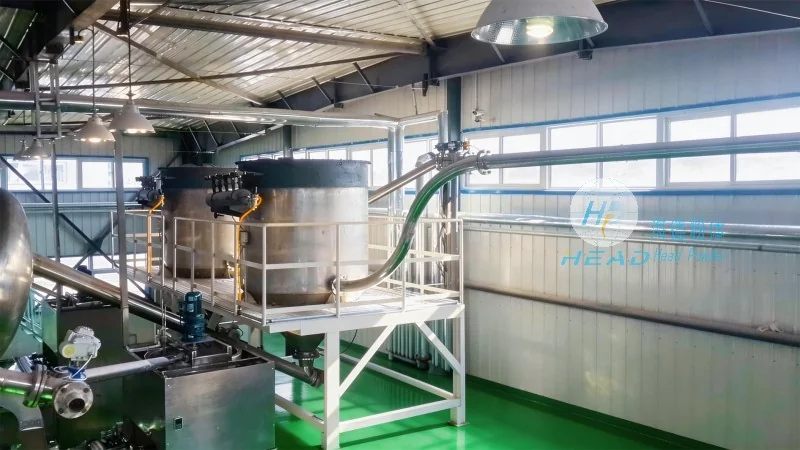
The fundamental principle of pneumatic conveying involves the use of air or other gases to transport bulk materials through a pipeline. This method relies on the creation of a pressure differential or the generation of airflow to move the material. There are primarily two types of pneumatic conveying systems: pressure and vacuum. Pressure systems operate by forcing air or gas through the material, while vacuum systems use suction to draw material into the pipeline. The choice between these systems depends on factors such as material properties, distance, and the need for containment. The design of the system, including the selection of appropriate ductwork, airlocks, and control valves, is critical to ensuring efficient material transport and minimizing system downtime.

Key Operational Characteristics in Petrochemical Applications
In the petrochemical sector, pneumatic conveying systems must meet stringent requirements regarding material handling, safety, and environmental compliance. The operational characteristics of these systems are tailored to address the unique challenges posed by petrochemical materials, which may include high temperatures, corrosive properties, or hazardous compositions. For instance, systems often incorporate specialized components like explosion-proof motors, corrosion-resistant materials, and advanced filtration to ensure safe and reliable operation. The system's ability to handle variable material flow rates and maintain consistent material quality is also a critical operational characteristic. Additionally, the integration of monitoring and control systems allows for real-time adjustments, enhancing overall system efficiency and reducing maintenance costs.
Typical Work Scenarios and Application Examples
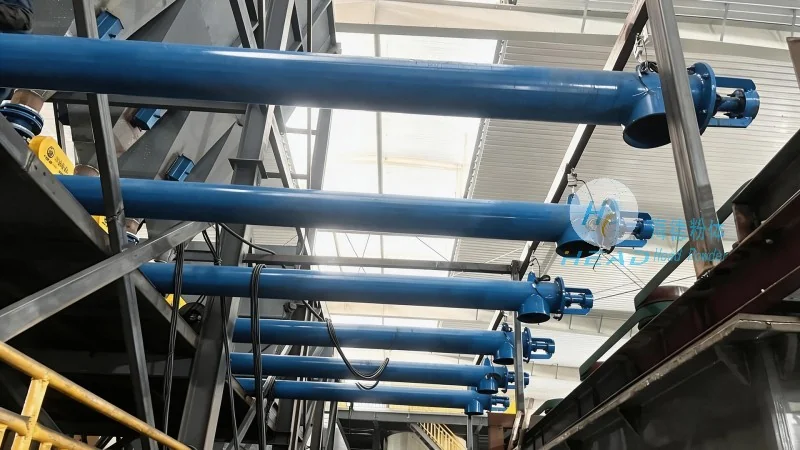
Pneumatic conveying systems are employed in various work scenarios within the petrochemical industry. One common application is the transport of raw materials, such as powders or granules, from storage silos to processing units. This ensures a continuous and controlled supply of materials, which is essential for maintaining production throughput. Another scenario involves the transfer of finished products, like chemical powders or additives, from production lines to packaging or storage facilities. The systems are also used in waste management processes, where hazardous or non-hazardous materials are safely conveyed for disposal or recycling. In each of these scenarios, the operational characteristics of the system, such as its capacity, pressure range, and material compatibility, are carefully matched to the specific requirements of the application. This ensures optimal performance and minimal disruption to industrial operations.
Advantages and Considerations for System Implementation
Implementing pneumatic conveying systems in petrochemical facilities offers several advantages, including reduced labor costs, improved safety, and enhanced material handling efficiency. Unlike traditional methods like belt conveyors or bucket elevators, pneumatic systems can handle a wider variety of materials and are less prone to material degradation. However, the successful implementation of such systems requires careful consideration of several factors. These include the material's physical properties, such as particle size, moisture content, and flowability, as well as the system's pressure and airflow requirements. Proper system sizing and design are crucial to avoid issues like blockages or excessive energy consumption. Additionally, regular maintenance and monitoring are essential to ensure the system operates at peak efficiency and to prevent unexpected failures.
Conclusion
HeadPowder Engineering Co., Ltd., with its headquarters in Shandong, China, provides comprehensive solutions for pneumatic conveying systems in the petrochemical industry. By understanding the core principles and operational characteristics of these systems, industrial facilities can select and implement the most suitable equipment to meet their material handling needs. The integration of advanced technology and engineering expertise ensures that these systems deliver reliable, efficient, and safe operation, contributing to the overall productivity and sustainability of petrochemical operations.