

Principle and Working Scene Characteristics of Pneumatic Conveying Lines for Rice Materials
For businesses in the rice processing industry, efficient material handling is crucial to maintaining production efficiency and product quality. Pneumatic conveying lines offer a sophisticated solution for transporting rice and other bulk materials with precision and reliability. This article explores the fundamental principles behind these systems and highlights the key characteristics of their application in various working environments.

About HeadPowder: A Leader in Material Handling Solutions
HeadPowder, or Shandong HeadPowder Engineering Co., Ltd., is a reputable company based in Shandong, China, specializing in the design, manufacturing, and installation of advanced material handling equipment. With a strong commitment to innovation and customer satisfaction, HeadPowder provides tailored solutions for diverse industrial applications, including the efficient transport of rice and other granular materials.
The Principle of Pneumatic Conveying for Rice Materials
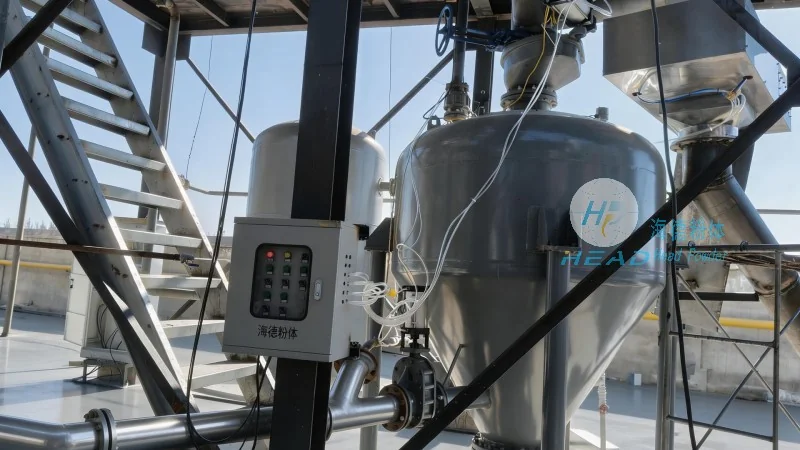
Pneumatic conveying systems operate on the principle of using air or gas to move bulk materials through a pipeline. In the case of rice, these systems utilize a combination of pressure or vacuum to create a flow of material. The process typically involves a hopper or feeder that loads the rice into the system, where it is then propelled by the moving air stream through the pipeline to the destination point. This method eliminates the need for mechanical components like belts or buckets, reducing maintenance requirements and increasing operational safety.

Key Working Scene Characteristics of Rice Pneumatic Conveying Lines
The effectiveness of a pneumatic conveying line for rice is influenced by several working scene characteristics that must be considered during system design and operation. These include:
- Material Properties: The size, shape, and moisture content of rice grains affect the system's performance. Proper system design accounts for these variables to ensure optimal flow and prevent blockages.
- System Layout and Length: The configuration of the pipeline, including vertical and horizontal runs, significantly impacts the conveying efficiency. Longer or more complex layouts may require additional boosters or pressure adjustments to maintain material transport.
- Operating Pressure and Vacuum Levels: The pressure or vacuum applied to the system determines the speed and capacity of material transport. Higher pressures are often used for longer distances or when handling materials with higher resistance to flow.
- Environmental Considerations: Pneumatic conveying systems can be designed to minimize dust emissions and maintain air quality, which is particularly important in food processing environments like rice mills.
Applications and Benefits in Rice Processing
Rice pneumatic conveying lines are widely used in various stages of rice processing, from raw material intake to finished product packaging. The benefits of these systems include improved hygiene standards, reduced labor costs, and enhanced product protection. By eliminating manual handling and mechanical contact, the risk of contamination is minimized, ensuring that the rice meets stringent quality and safety regulations.
Conclusion and Company Expertise
Understanding the principles and characteristics of pneumatic conveying lines for rice materials is essential for optimizing material handling in rice processing facilities. HeadPowder, with its expertise in engineering and manufacturing, offers comprehensive solutions tailored to the specific needs of rice mills and processing plants. By leveraging advanced technology and customer-focused design, HeadPowder helps businesses enhance operational efficiency, reduce costs, and maintain high standards of product quality.