

Operation Process and Working Principle of Aluminum Dross Pneumatic Conveying System
Aluminum dross, a byproduct of aluminum smelting and processing, requires efficient handling and transportation for recycling or disposal. The aluminum dross pneumatic conveying system offers a reliable solution to manage this material, ensuring safe and effective movement from collection points to processing facilities. This system is designed to handle the unique properties of aluminum dross, such as its abrasive nature and varying particle sizes, while maintaining operational efficiency and minimal downtime.
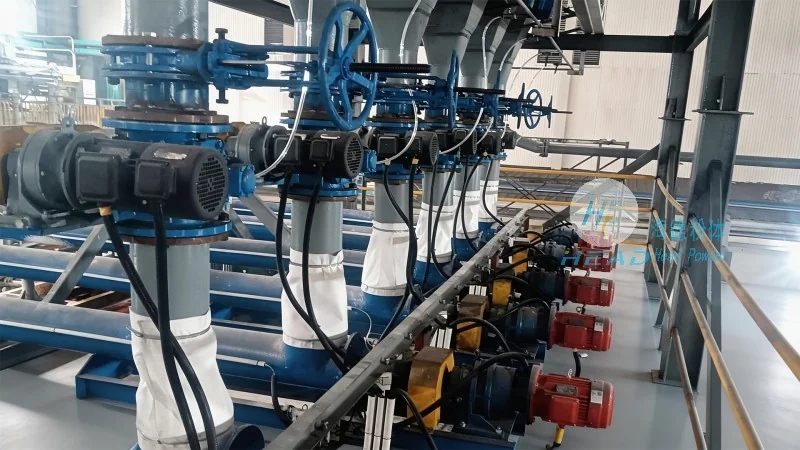
Key Components of the Pneumatic Conveying System
The aluminum dross pneumatic conveying system consists of several critical components that work in tandem to achieve seamless material transport. The primary components include a dust collector or hopper for material storage, a high-pressure or low-pressure air compressor (depending on the system design), a series of pipelines with appropriate fittings and valves, and a separation unit such as a cyclone or bag filter to remove fine particles from the air stream. Additionally, the system may incorporate a rotary valve or feeder to control the flow of aluminum dross into the pipeline, ensuring consistent and controlled discharge at the receiving end.
Working Principle of the Pneumatic Conveying Process
The operation of the aluminum dross pneumatic conveying system is based on the principle of air movement to transport solid particles. In this system, compressed air is introduced into the pipeline, creating a flow that propels the aluminum dross particles forward. The system can operate in either suction or pressure mode. In suction mode, the air compressor draws air from the pipeline, creating a negative pressure that pulls the material from the source. In pressure mode, the compressor pushes air into the pipeline, forcing the material to move toward the destination. The choice between suction and pressure depends on factors such as the distance to be covered, the height difference, and the material characteristics. The air flow velocity is carefully controlled to prevent material deposition or blockages in the pipeline, ensuring smooth and continuous transport.

Operation Process: Step-by-Step Overview
The operation of the aluminum dross pneumatic conveying system follows a systematic process that begins with material loading and ends with material discharge. The steps are as follows: First, aluminum dross is collected in a hopper or storage bin. The material is then fed into the system via a rotary valve or feeder, which regulates the flow rate. Next, the air compressor starts, and compressed air is introduced into the pipeline. The air flow creates a pressure differential that moves the aluminum dross particles through the pipeline. The material travels through the pipeline network, which may include bends, elbows, and other fittings, to reach the receiving point. At the receiving end, a separation unit (e.g., cyclone) separates the aluminum dross from the air stream. The separated material is collected in a container or hopper, while the air is filtered and discharged. The system continues to operate until the material is fully transferred, with the air compressor maintaining the required pressure and flow rate throughout the process.

Efficiency and Advantages of the System
The aluminum dross pneumatic conveying system offers several advantages over traditional methods of material handling, such as belt conveyors or manual transport. One of the key benefits is the ability to handle abrasive materials like aluminum dross without causing wear and tear on equipment. The system also provides a dust-free environment, reducing the risk of inhalation of fine particles and improving workplace safety. Additionally, the system is compact and can be installed in confined spaces, making it suitable for industrial settings with limited floor space. The continuous operation of the system minimizes downtime and increases overall productivity, as it can transport large volumes of material over long distances without the need for manual intervention. The system also allows for easy integration with other processing equipment, such as crushers or classifiers, enabling a streamlined material handling workflow.
Conclusion and Company Information
Shandong HeadPowder Engineering Co., Ltd., a leading manufacturer of aluminum dross handling solutions, specializes in designing and supplying high-quality pneumatic conveying systems tailored to the needs of aluminum processing facilities. With years of experience in the industry, the company ensures that its systems are reliable, efficient, and compliant with safety standards. The aluminum dross pneumatic conveying system is a testament to the company's commitment to providing innovative and effective solutions for material handling challenges. By leveraging advanced technology and engineering expertise, HeadPowder delivers systems that enhance operational efficiency and contribute to the sustainable management of aluminum dross. For more information about their products and services, please contact HeadPowder directly.