

Operation Process and Working Principle of PP Pellet Pneumatic Conveying System
Shandong HeadPowder Engineering Co., Ltd., a professional manufacturer based in Shandong, China, specializes in the design, production, and installation of advanced pneumatic conveying systems. This article provides a detailed overview of the operation process and working principle of a PP pellet pneumatic conveying system, highlighting the technical aspects and practical applications of this efficient material handling solution.
Introduction to Pneumatic Conveying Systems
Pneumatic conveying systems are widely used in various industries for the transport of bulk materials, including powders and granules, over short to medium distances. These systems utilize compressed air or other gases to move materials through a network of pipes, eliminating the need for mechanical components like conveyor belts or buckets. The PP pellet pneumatic conveying system, in particular, is designed to handle polypropylene (PP) pellets, which are commonly used in plastic manufacturing processes. The system combines efficiency, reliability, and flexibility, making it an ideal choice for industries such as plastics, chemicals, and food processing.
Key Components of the PP Pellet Pneumatic Conveying System
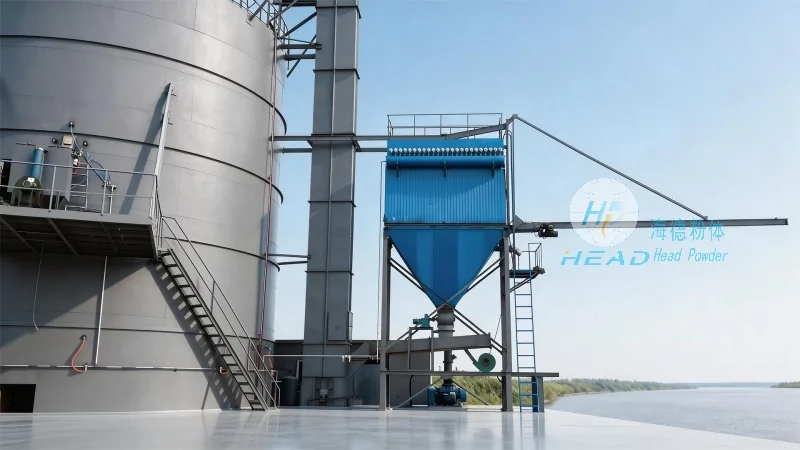
The PP pellet pneumatic conveying system consists of several critical components that work in tandem to ensure smooth material transport. These components include the hopper (feeder), air compressor, conveying pipes, control valves, and dust collection system. The hopper is responsible for storing and feeding the PP pellets into the system, while the air compressor generates the necessary pressure to move the material through the pipes. The conveying pipes are typically made of durable materials like stainless steel or plastic to withstand the abrasive nature of PP pellets and the effects of compressed air. Control valves regulate the flow of air and material, ensuring precise control over the conveying process. The dust collection system, often integrated with the system, captures any airborne particles, maintaining a clean and safe working environment.
Working Principle of the PP Pellet Pneumatic Conveying System
The operation of the PP pellet pneumatic conveying system is based on the principle of air-solid two-phase flow. In a typical setup, the system operates under positive pressure, where compressed air is introduced into the hopper, creating a pressure differential that lifts the PP pellets into the conveying pipes. The air and pellets are then carried through the pipes to the discharge point. The velocity of the air is carefully controlled to ensure that the pellets are fully suspended and transported without causing excessive wear or degradation. The system may also utilize negative pressure (suction) in some configurations, where air is drawn from the discharge point to pull the material back to the hopper. The choice between positive and negative pressure depends on factors such as the distance to be covered, the material characteristics, and the system layout.
Operation Process of the PP Pellet Pneumatic Conveying System
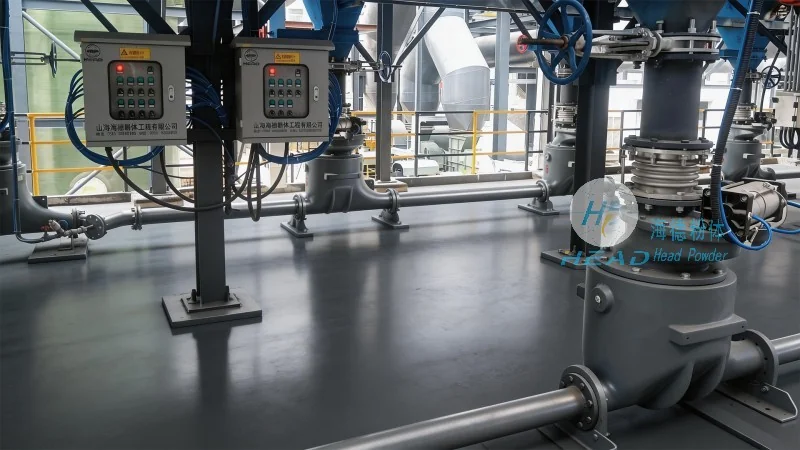
The operation process of the PP pellet pneumatic conveying system involves several sequential steps to ensure efficient and safe material transport. First, the hopper is filled with PP pellets, and the system is prepared for operation. The air compressor is started, and the control valves are adjusted to set the appropriate air pressure and flow rate. The feeding mechanism in the hopper then begins to discharge the pellets into the conveying pipes. As the pellets enter the pipes, they are mixed with the compressed air, creating a dense phase flow. The material is then transported through the pipes to the discharge point, where it is collected in a receiving container. The system continuously monitors the pressure and flow rates to maintain optimal performance. If any issues arise, such as blockages or pressure drops, the control system automatically adjusts the air flow or stops the operation to prevent damage to the equipment.
Advantages of the PP Pellet Pneumatic Conveying System
The PP pellet pneumatic conveying system offers several advantages over traditional mechanical conveying methods. One of the primary benefits is the ability to transport materials in a closed system, which reduces dust contamination and improves workplace safety. The system is also highly flexible, as it can be easily reconfigured to accommodate changes in production requirements or layout. Additionally, the system is compact and requires minimal space, making it suitable for installations in confined areas. The PP pellet pneumatic conveying system is also energy-efficient, as it uses compressed air to move the material, which can be more cost-effective than mechanical systems, especially for long-distance transport. The system is also capable of handling a wide range of material sizes and shapes, including irregularly shaped PP pellets, without causing damage or degradation.

Applications of the PP Pellet Pneumatic Conveying System
The PP pellet pneumatic conveying system is widely used in various industries for the transport of PP pellets. In the plastics industry, the system is commonly used to move PP pellets from storage silos to processing machines, such as extruders and injection molding equipment. The system ensures a continuous and consistent supply of material, which is crucial for maintaining production efficiency. In the chemical industry, the system is used to transport PP pellets from storage tanks to reactors or processing units. The system's ability to handle abrasive materials and maintain a clean environment makes it suitable for applications where material purity is critical. In the food processing industry, the system is used to transport PP pellets that have been coated with food-grade additives, ensuring that the material remains free from contamination and meets safety standards.
Maintenance and Troubleshooting of the PP Pellet Pneumatic Conveying System
To ensure the long-term performance and reliability of the PP pellet pneumatic conveying system, regular maintenance is essential. The system components, such as the air compressor, control valves, and conveying pipes, should be inspected and maintained according to the manufacturer's recommendations. The hopper and feeding mechanism should be cleaned regularly to prevent the buildup of material and ensure smooth operation. The dust collection system should also be checked and cleaned to maintain its efficiency. In case of any issues, such as blockages or pressure drops, the system should be shut down immediately and inspected for the root cause. Common troubleshooting steps include checking the air pressure and flow rate, inspecting the conveying pipes for blockages, and cleaning the hopper and feeding mechanism. If the problem persists, it is recommended to contact a qualified technician for further assistance.
Conclusion
Shandong HeadPowder Engineering Co., Ltd. provides high-quality PP pellet pneumatic conveying systems that are designed to meet the specific needs of various industries. The system's efficient operation, reliable performance, and flexibility make it an ideal choice for material handling applications. By understanding the operation process and working principle of the system, users can optimize its performance and ensure its long-term reliability. The PP pellet pneumatic conveying system is a cost-effective and sustainable solution for transporting PP pellets, contributing to improved productivity and safety in industrial settings.