

Inert Gas Circulation Pneumatic Conveying System Equipment Operation Process and Working Principle
Shandong HeadPowder Engineering Co., Ltd., a leading manufacturer based in Shandong, China, specializes in the design, development, and implementation of advanced inert gas circulation pneumatic conveying systems. These systems are engineered to efficiently transport bulk materials in industrial settings, ensuring safety, reliability, and optimal performance. The following content provides a detailed overview of the operation process and working principles of such equipment, highlighting the technical aspects and practical applications.

Overview of Inert Gas Circulation Pneumatic Conveying Equipment
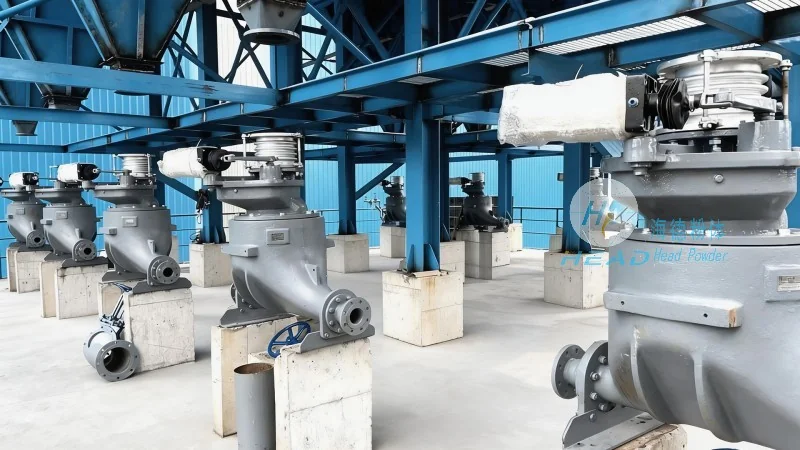
At the core of inert gas circulation systems is a closed-loop pneumatic conveying network that utilizes inert gases, typically nitrogen or carbon dioxide, to transport powders and granules. The system is designed to maintain an inert atmosphere, which is crucial for preventing oxidation, explosion risks, or contamination in sensitive materials. Key components include the material feed hopper, gas circulation unit, conveying pipes, control valves, and material discharge equipment. Each component works in synergy to ensure smooth material flow and consistent system performance.

Operation Process of the Inert Gas Circulation System
The operation of an inert gas circulation pneumatic conveying system involves several sequential steps, each critical to the efficient transport of materials. The process begins with the material being fed into the hopper from the storage silo or bulk container. A rotary valve or feeder then regulates the material flow into the conveying line, ensuring a consistent feed rate. Simultaneously, the inert gas circulation unit generates a controlled flow of gas, which is introduced into the conveying pipe. The gas, under pressure, creates a fluidized state in the material, allowing it to be carried through the pipeline. The system maintains a continuous circulation of gas, which not only conveys the material but also prevents material buildup or blockages by keeping the pipeline fully pressurized. At the destination point, such as a silo or processing unit, the material is discharged through a control valve, while the inert gas is either recirculated back into the system or safely vented. The entire process is monitored and controlled by a sophisticated system of sensors and controllers, which adjust parameters like gas pressure, flow rate, and material feed rate in real-time to optimize performance and prevent system failures.
Working Principles of the Inert Gas Circulation System
The fundamental principle behind inert gas circulation pneumatic conveying is the use of gas to create a fluidized bed of material, enabling it to be transported through pipes. The system operates on the principle of pneumatic transport, where the gas acts as a medium to move the solid particles. The inert gas is chosen for its non-reactive nature, ensuring that it does not alter the properties of the material being conveyed. The circulation of gas is maintained by a blower or compressor, which draws gas from the system, filters it to remove contaminants, and then reintroduces it into the conveying line. This closed-loop system minimizes gas consumption and ensures a stable pressure environment. The conveying velocity is determined by the gas flow rate and the material's characteristics, such as particle size, density, and moisture content. Proper design of the system, including pipe diameter, gas velocity, and pressure drop, is essential to prevent material deposition or excessive energy consumption. The system also incorporates safety features, such as pressure relief valves and gas detection sensors, to ensure operational safety and compliance with industrial standards.