

Operation Process and Working Principle of Sorghum Material Handling System
Understanding the operation process and working principle of a sorghum material handling system is crucial for optimizing grain processing efficiency and ensuring consistent performance in agricultural operations. This system is designed to handle the entire workflow from raw sorghum intake to final product delivery, integrating advanced engineering solutions to meet the demands of modern grain processing industries.

Introduction to Sorghum Material Handling Systems
A sorghum material handling system is a specialized setup engineered to manage the movement, storage, and processing of sorghum grains. These systems are integral to the overall grain processing chain, playing a pivotal role in enhancing productivity and maintaining the quality of the final product. The system typically includes various components such as conveyors, elevators, storage silos, and control mechanisms, all working in tandem to streamline the handling process.
Core Components and Their Functions
The effectiveness of a sorghum material handling system relies heavily on its core components, each serving a specific function to ensure smooth operation. Key components include:

- Feeding Hoppers: These are used to collect and store raw sorghum, providing a consistent feed to the subsequent processing stages. They are designed to handle bulk materials and maintain a steady flow.
- Conveyor Belts: Conveyor systems, often equipped with adjustable speed and direction controls, transport sorghum from one point to another within the processing facility. They can be customized to handle different grain sizes and moisture content.
- Elevators and Bucket Elevators: These vertical transport mechanisms lift sorghum from lower to higher levels, facilitating vertical movement without the need for additional horizontal space. They are efficient for moving large volumes of grain over significant heights.
- Storage Silos: Large, airtight silos are used to store processed sorghum, protecting it from moisture, pests, and environmental factors. These silos are designed with aeration systems to maintain grain quality during storage.
- Control Panels: Integrated control systems monitor and regulate the operation of all components, ensuring optimal performance and safety. They provide real-time data on system status, allowing for quick adjustments and troubleshooting.
The Operation Process of the System
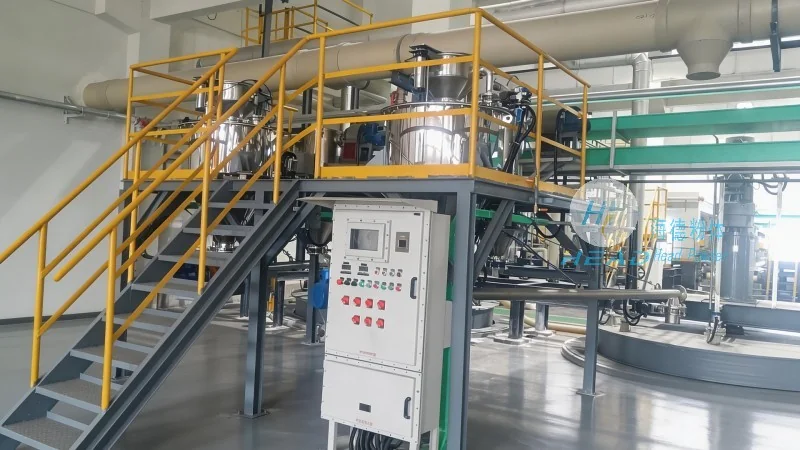
The operation process of a sorghum material handling system begins with the intake of raw sorghum into the feeding hopper. From there, the grain is transferred to conveyor belts, which move it to the processing area. The conveyor system may include multiple segments, such as a primary conveyor for initial transport and a secondary conveyor for sorting or cleaning. After the initial handling, the sorghum may be elevated using bucket elevators to reach higher storage silos or processing units. The system then proceeds to the storage phase, where the processed sorghum is stored in silos until it is ready for distribution. Throughout the process, the control panel continuously monitors the flow rate, pressure, and other critical parameters to maintain system efficiency.
Working Principle Explained
The working principle of a sorghum material handling system is based on the principles of mechanical transport and gravity. The system utilizes gravity to move sorghum from higher to lower levels, while conveyor belts and elevators provide the necessary force to overcome gravity and move the grain horizontally or vertically. The feeding hopper ensures a uniform flow of grain, preventing blockages and ensuring consistent input to the system. The conveyor belts use friction to move the grain along their surface, with adjustable speed settings to control the flow rate. Bucket elevators operate by lifting grain in buckets attached to a rotating chain or belt, which then discharge the grain at the desired height. The storage silos use aeration systems to maintain optimal moisture levels, preventing spoilage and extending the shelf life of the stored sorghum. The control panel integrates sensors and actuators to regulate the operation of all components, ensuring that the system operates within safe and efficient parameters.
Company Information and Expertise
HeadPowder, a leading engineering company based in Shandong, China, specializes in the design and manufacturing of advanced material handling systems for the agricultural industry. With years of experience in grain processing technology, HeadPowder has developed innovative solutions tailored to the specific needs of sorghum and other grain types. The company's commitment to quality and customer satisfaction has made it a trusted partner for businesses seeking reliable and efficient material handling solutions. HeadPowder's team of engineers and technicians work closely with clients to understand their operational requirements and provide customized system designs that meet their unique needs. The company's facilities in Shandong are equipped with state-of-the-art technology and skilled workforce, ensuring the production of high-quality material handling systems that deliver superior performance and durability.