

Operating Process and Working Principle of Polyvinyl Alcohol Formaldehyde Material Conveying Line
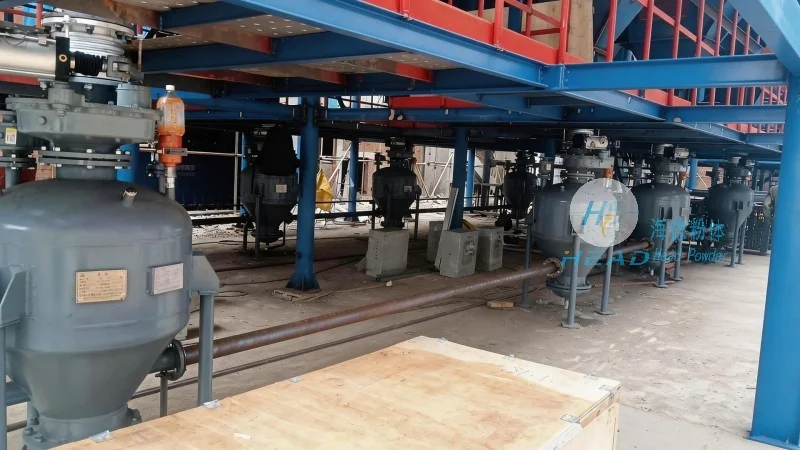
The Polyvinyl Alcohol Formaldehyde (PVOH-Formaldehyde) material conveying line is a specialized industrial system designed to handle and transport PVOH-formaldehyde based materials efficiently. This equipment is crucial in manufacturing processes where PVOH-formaldehyde is used as a key component, ensuring consistent material flow and maintaining product quality. The system integrates various components such as feeders, conveyors, and control units to achieve seamless material handling from raw material input to final processing stages.

Company Overview: Shandong HeadPowder Engineering Co., Ltd.
HeadPowder, a leading manufacturer in the field, specializes in engineering solutions for material handling systems. With a strong presence in China, particularly in Shandong province, the company has built a reputation for delivering high-quality, reliable equipment tailored to specific industrial needs. The company’s expertise lies in designing and manufacturing conveyors that meet stringent industry standards, ensuring durability and efficiency in demanding production environments.
Key Components and Their Functions in the Conveying Line
The PVOH-formaldehyde material conveying line typically consists of several critical components, each playing a vital role in the overall operation. The feed hopper is the initial stage where raw PVOH-formaldehyde material is introduced into the system. It is designed to store and regulate the material flow, preventing overloading or underfeeding that could disrupt the conveying process. The screw feeder or rotary valve then transfers the material from the hopper to the conveyor section. This component ensures a controlled and steady supply of material to the main conveyor.

The Conveyor System: Types and Operation
The conveyor system is the core of the material conveying line, responsible for transporting PVOH-formaldehyde material through the production facility. Depending on the application, different types of conveyors may be used, such as belt conveyors, chain conveyors, or pneumatic conveyors. For PVOH-formaldehyde, which may have varying particle sizes and moisture content, a belt conveyor with a smooth surface is often preferred to minimize material degradation and ensure smooth movement. The conveyor is equipped with drive mechanisms, such as electric motors and gearboxes, that provide the necessary power to move the material along the designated path. The speed and direction of the conveyor can be adjusted via control panels, allowing operators to optimize material flow based on production requirements.
Control and Monitoring Systems
Advanced control and monitoring systems are integrated into the PVOH-formaldehyde material conveying line to ensure precise operation and real-time feedback. Sensors, such as level sensors, pressure sensors, and temperature sensors, are strategically placed throughout the system to detect any abnormalities or deviations from set parameters. These sensors feed data to the control unit, which processes the information and adjusts the system's performance accordingly. For example, if the material level in the hopper drops below a certain threshold, the control system will activate the feeder to replenish the material. Similarly, if the conveyor speed deviates from the set value, the control unit will adjust the motor speed to maintain optimal operation. The control panel also provides operators with visual indicators and alarm systems to alert them of any issues, ensuring quick response and minimizing downtime.

Operating Process: Step-by-Step Overview
The operation of the PVOH-formaldehyde material conveying line follows a systematic process that ensures efficient material handling. The process begins with the loading of raw PVOH-formaldehyde material into the feed hopper. The material is then transferred to the screw feeder or rotary valve, which regulates the flow rate. The conveyor system then transports the material to the processing area or storage location. Throughout the process, the control system continuously monitors the material flow, ensuring that the conveyor operates at the optimal speed and that the material level in the hopper is maintained at an appropriate level. The system is designed to operate continuously, with minimal human intervention required, although operators may periodically check the system's performance and perform routine maintenance tasks.
Working Principle: How the System Functions
The working principle of the PVOH-formaldehyde material conveying line is based on the principles of material handling and mechanical transport. The system uses a combination of gravity, mechanical force, and control mechanisms to move the material from one point to another. The feed hopper provides a storage area for the raw material, and the screw feeder or rotary valve acts as a metering device to control the material flow. The conveyor system then uses mechanical power to move the material along the conveyor path. The control system ensures that all components operate in sync, maintaining the desired flow rate and preventing any blockages or overloading. The entire process is automated, with sensors and control units working together to achieve precise and reliable material transport. This integrated approach ensures that the PVOH-formaldehyde material is handled safely and efficiently, minimizing the risk of material loss or degradation.
Benefits and Applications
The PVOH-formaldehyde material conveying line offers several benefits in industrial applications. It improves production efficiency by ensuring a consistent and continuous flow of material, reducing downtime and increasing output. The system also enhances product quality by minimizing material handling errors and preventing contamination. Additionally, the automated control systems reduce the need for manual labor, improving safety and reducing operational costs. The equipment is widely used in industries such as chemical manufacturing, pharmaceuticals, and food processing, where PVOH-formaldehyde is used as a key component in various products. The flexibility of the system allows it to be customized to meet specific production requirements, making it a versatile solution for different industrial applications.
Conclusion
In conclusion, the Polyvinyl Alcohol Formaldehyde material conveying line is a sophisticated industrial system that plays a critical role in the efficient handling and transport of PVOH-formaldehyde materials. The system's design, components, and operation are tailored to meet the specific needs of industrial processes, ensuring high performance and reliability. With the expertise of manufacturers like Shandong HeadPowder Engineering Co., Ltd., these conveying lines are engineered to deliver optimal results, contributing to increased productivity and product quality in various industries. The continuous advancements in material handling technology further enhance the capabilities of such systems, making them essential components in modern industrial operations.