

Dye Powder Pneumatic Conveying Machine: Operation Process and Working Principle
For industrial applications involving the handling of dye powders, efficient and reliable material transport is crucial. The dye powder pneumatic conveying machine, a specialized equipment designed for this purpose, offers a solution that combines precision with durability. This article delves into the operation process and working principle of such systems, highlighting how they contribute to seamless material handling in dye manufacturing and processing industries.
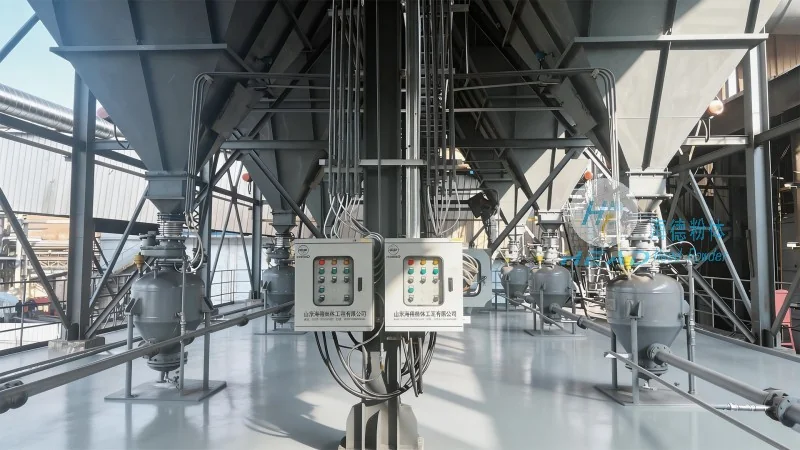
Key Components of the Dye Powder Pneumatic Conveying Machine
The headpowder pneumatic conveying system typically consists of several core components that work in tandem to ensure effective material transport. These include the hopper or feeding device, which holds the dye powder; the air compressor or blower that generates the necessary airflow; the conveying pipeline that transports the powder; and the discharge unit where the material is released. Each component plays a vital role in maintaining the system's efficiency and safety.
Operation Process of the Dye Powder Pneumatic Conveying Machine
The operation of the dye powder pneumatic conveying machine follows a systematic process. Initially, the dye powder is fed into the hopper from the storage silo or batch container. As the material accumulates, the feeding mechanism, often a rotary valve or screw feeder, regulates the flow rate to match the required conveying speed. Simultaneously, the air compressor starts, producing a consistent airflow that is directed into the conveying pipeline. The high-pressure air then lifts the dye powder particles and propels them through the pipeline to the discharge point. The discharge unit, which may be a rotary valve or a venturi system, controls the release of the powder into the receiving container or processing equipment. Throughout the process, the system maintains a stable pressure and airflow to prevent clogging and ensure smooth operation.

Working Principle of the Dye Powder Pneumatic Conveying Machine
The working principle of the dye powder pneumatic conveying machine is based on the principles of fluid dynamics and particle transport. The system utilizes a combination of air pressure and particle momentum to move the dye powder. When the air compressor provides a high-velocity airflow, it creates a low-pressure zone within the pipeline, which draws the powder particles into the air stream. The air and powder mixture then travels through the pipeline, with the air providing the necessary force to overcome the gravitational and frictional forces acting on the particles. The velocity of the air is critical; it must be sufficient to keep the powder suspended and prevent settlement or clogging. The design of the pipeline, including bends and fittings, is optimized to minimize pressure loss and maintain the flow of the air-powder mixture. The discharge unit then separates the air from the powder, allowing the powder to be deposited in the target location while the air is either recirculated or vented to the atmosphere.
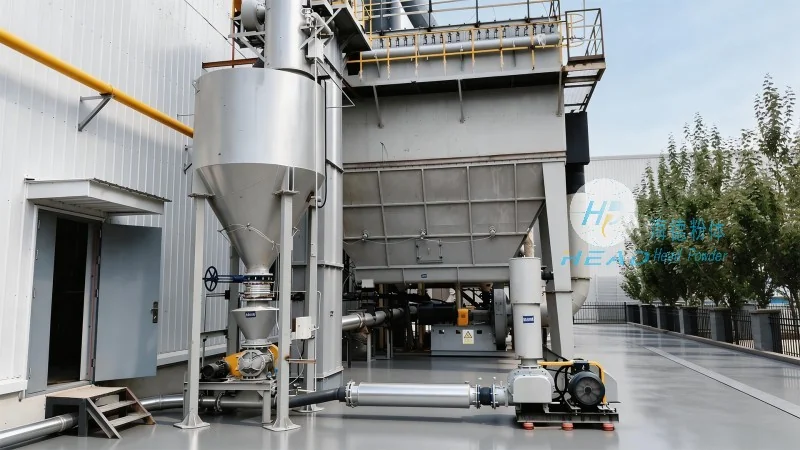
Advantages of Using Dye Powder Pneumatic Conveying Machines
Implementing a dye powder pneumatic conveying machine offers several advantages over traditional material handling methods. Firstly, it eliminates the need for mechanical conveyors, such as belts or screws, which can be prone to wear and tear and may cause contamination of the dye powder. The pneumatic system provides a clean and hygienic environment, which is essential for dye manufacturing where product purity is paramount. Secondly, the system allows for flexible and versatile material transport, as it can handle varying powder characteristics and can be easily reconfigured for different production lines. Thirdly, the headpowder pneumatic conveying machine is energy-efficient, as it uses compressed air efficiently and can be integrated with energy recovery systems to reduce operational costs. Additionally, the system offers high throughput and can handle large volumes of dye powder, making it suitable for high-production environments.

Application Scenarios in Dye Manufacturing
Dye powder pneumatic conveying machines are widely used in various stages of dye manufacturing and processing. In the initial mixing and blending phase, the system can transport raw dye powders from storage to the mixing tanks, ensuring uniform distribution of the ingredients. During the production of liquid dyes or pigments, the machine can convey the powder to the milling or grinding equipment, facilitating the conversion of the powder into finer particles. In the packaging stage, the system can transport the finished dye powder from the production line to the packaging machines, ensuring consistent and efficient filling of containers. The versatility of the headpowder pneumatic conveying machine makes it adaptable to different production scales, from small-scale laboratory operations to large-scale industrial manufacturing.
Maintenance and Operational Considerations
To ensure the longevity and optimal performance of the dye powder pneumatic conveying machine, regular maintenance is essential. The air compressor and blower should be checked for proper operation and lubrication to prevent overheating and wear. The conveying pipeline should be inspected for any signs of clogging or damage, and the filters should be cleaned or replaced as needed to maintain air quality. The feeding and discharge mechanisms should be lubricated and adjusted to maintain proper flow rates. Additionally, the system should be operated within the recommended pressure and airflow ranges to avoid excessive wear on components. Proper training of operators on the safe and efficient operation of the machine is also crucial to prevent accidents and ensure consistent performance.