

Operation Process and Working Principle of Material Pneumatic Conveying Equipment at Dust Extraction
HeadPowder, a leading manufacturer based in Shandong, China, specializes in the design, production, and installation of advanced material handling systems. Among their portfolio is the material pneumatic conveying equipment specifically engineered for dust extraction stations, a critical component in modern industrial facilities. This equipment plays a vital role in efficiently transporting bulk materials while maintaining air quality and operational safety.
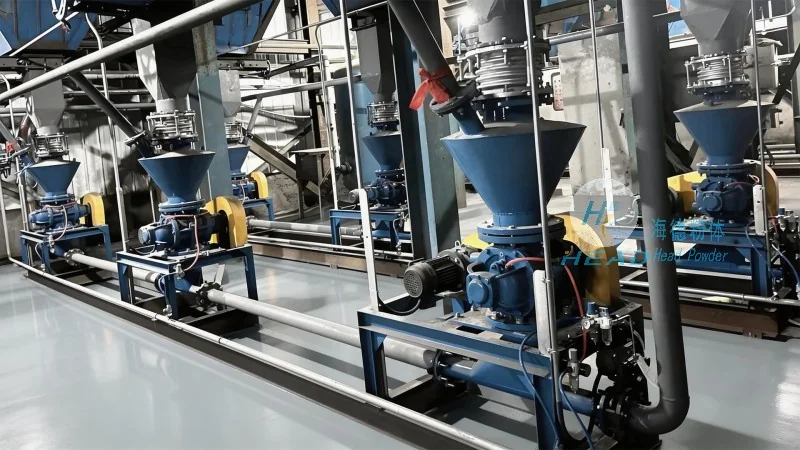
Overview of Material Pneumatic Conveying Equipment at Dust Extraction Stations
Material pneumatic conveying equipment at dust extraction stations is a sophisticated system designed to handle the transportation of bulk materials, such as powders, granules, or fine particles, from one location to another within an industrial setting. The primary objective of this equipment is to ensure the efficient and safe movement of materials while simultaneously managing dust and air quality. By integrating with dust extraction systems, these conveyors provide a seamless solution for material handling in environments where air quality and operational efficiency are paramount.
Working Principle of the Equipment
The operation of material pneumatic conveying equipment at dust extraction stations is based on the principle of pneumatic transport, which utilizes air or gas as the medium to move materials through a pipeline system. The system typically consists of several key components, including a dust collector, a conveyor line, a material feeder, and a control unit. The process begins with the material being fed into the system, often through a hopper or a rotary valve, which ensures a consistent flow of material into the conveyor line.
Once the material is introduced, the system generates a flow of air or gas within the pipeline. This airflow creates a pressure differential that propels the material particles forward. The velocity of the air is carefully controlled to ensure that the material is conveyed without causing excessive wear on the equipment or generating excessive dust. The design of the pipeline, including bends, elbows, and expansion joints, is optimized to minimize pressure loss and maintain the efficiency of the conveying process.

Key Components and Their Functions
The material pneumatic conveying equipment at dust extraction stations comprises several essential components, each playing a crucial role in the overall operation. The dust collector, often integrated with the system, serves to capture and filter the air and dust particles, ensuring compliance with environmental regulations and maintaining air quality. The conveyor line, typically made of durable materials like stainless steel or plastic, is designed to withstand the abrasive nature of the materials being transported. The material feeder, such as a rotary valve or a screw feeder, regulates the flow of material into the system, preventing blockages and ensuring a steady supply. The control unit monitors and adjusts the system parameters, such as air pressure and flow rate, to optimize performance and prevent operational issues.
Operation Process: Step-by-Step
The operation of the material pneumatic conveying equipment at dust extraction stations follows a systematic process that ensures efficient and reliable material transport. The first step involves preparing the system by checking the air supply, ensuring the dust collector is operational, and verifying the integrity of the conveyor line. Once the system is ready, the material feeder is activated, and the material is introduced into the system. The control unit then adjusts the air pressure and flow rate to initiate the conveying process.

As the material moves through the pipeline, the system continuously monitors the pressure and flow to maintain optimal conditions. The dust collector captures any airborne particles, preventing them from being released into the environment. The material is then discharged at the receiving end of the conveyor line, where it is collected in a storage bin or transferred to another processing unit. The system then returns to its standby mode, ready for the next cycle of material transport.
Benefits and Applications
Material pneumatic conveying equipment at dust extraction stations offers numerous benefits for industrial facilities, including improved air quality, enhanced operational efficiency, and reduced labor costs. By integrating with dust extraction systems, these conveyors help maintain a clean and safe working environment, which is crucial for employee health and compliance with environmental regulations. The equipment is particularly suitable for industries such as cement, chemical, food processing, and pharmaceuticals, where the handling of fine materials is common and air quality is a critical concern.
The system's ability to handle a wide range of materials, from powders to granules, makes it a versatile solution for various industrial applications. Additionally, the equipment's compact design and minimal maintenance requirements contribute to its cost-effectiveness and reliability. Overall, the material pneumatic conveying equipment at dust extraction stations is an essential component for modern industrial facilities, providing an efficient and safe method for material handling while maintaining environmental standards.