

Operation Process and Working Principle of Automatic Feeding Material Pneumatic Conveying Line
Shandong HeadPowder Engineering Co., Ltd., commonly known as HeadPowder, is a professional manufacturer and supplier of pneumatic conveying systems. With a focus on innovation and quality, the company specializes in designing and manufacturing automatic feeding material pneumatic conveying lines that meet the diverse needs of various industries. HeadPowder is headquartered in Shandong, China, and has built a strong reputation for delivering reliable and efficient solutions for material handling challenges.
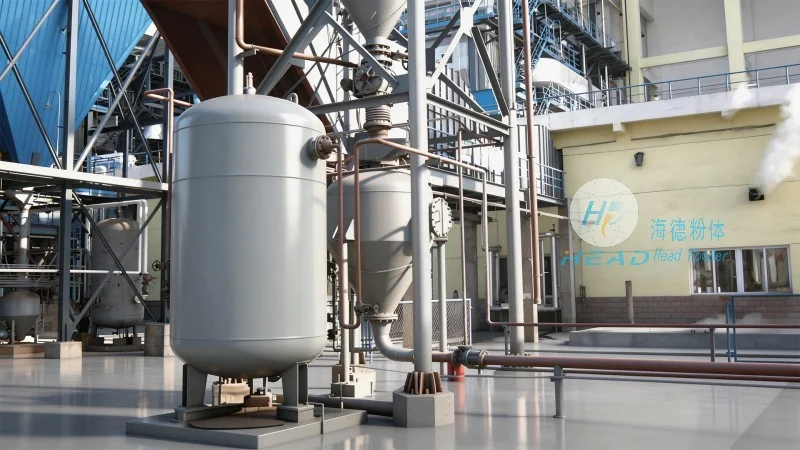
Overview of Automatic Feeding Material Pneumatic Conveying Lines
Automatic feeding material pneumatic conveying lines are advanced systems designed to transport bulk materials from one location to another using air as the conveying medium. These systems are widely used in industries such as food processing, pharmaceuticals, chemicals, and mining, where efficient and hygienic material transfer is crucial. The key components of these lines typically include a feeding hopper, a rotary valve, a pneumatic conveyor, and a discharge unit. The system operates by drawing material from the hopper, feeding it into the conveyor, and transporting it to the desired destination through the use of compressed air or negative pressure.

Operation Process of the Pneumatic Conveying Line
The operation process of an automatic feeding material pneumatic conveying line involves several key steps. First, the bulk material is stored in the feeding hopper. The rotary valve then controls the flow of material into the pneumatic conveyor. Compressed air is introduced into the system, creating a flow that propels the material through the pipeline. The material travels from the inlet to the outlet, where it is discharged into the receiving container. The system continuously monitors the flow rate and pressure to ensure optimal performance and prevent blockages or other issues. This automated process reduces labor costs and increases production efficiency, making it an ideal solution for high-volume material handling applications.
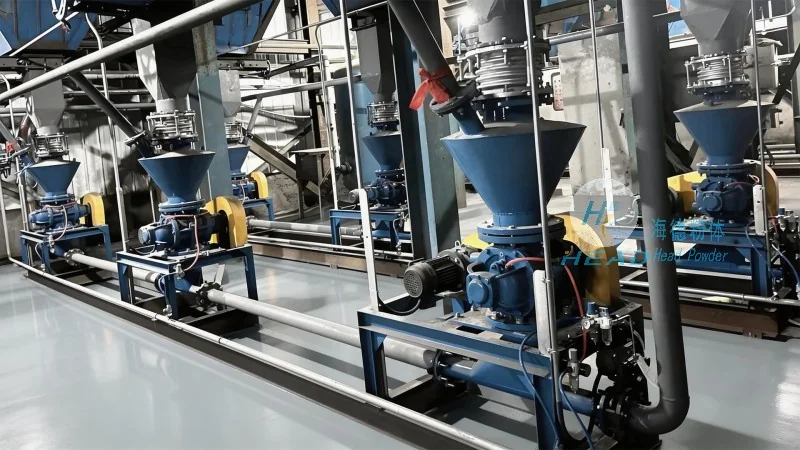
Working Principle of the Pneumatic Conveying System
The working principle of the automatic feeding material pneumatic conveying line is based on the principles of fluid dynamics and air pressure. The system utilizes either positive pressure or negative pressure to move the material. In positive pressure systems, compressed air is forced through the pipeline, creating a high-pressure environment that pushes the material forward. In negative pressure systems, a vacuum is created at the discharge end, drawing the material through the pipeline. The rotary valve acts as a gate, controlling the amount of material entering the conveyor and preventing backflow. The feeding hopper ensures a consistent supply of material, while the pneumatic conveyor maintains a smooth and continuous flow. The discharge unit then collects the material, completing the transfer process. This integrated approach ensures that the material is transported safely and efficiently, with minimal loss or degradation.
Key Technical Features and Advantages
Automatic feeding material pneumatic conveying lines offered by HeadPowder feature several technical advantages that enhance their performance and reliability. The systems are designed with high-quality materials, such as stainless steel, to ensure durability and resistance to corrosion, especially in industries dealing with aggressive or hygienic materials. The rotary valve is equipped with precise control mechanisms, allowing for accurate material flow regulation. The pneumatic conveyor is optimized for low energy consumption, reducing operational costs while maintaining high efficiency. Additionally, the system includes advanced monitoring and control systems that provide real-time data on flow rates, pressure, and temperature, enabling operators to quickly identify and resolve any issues. These features make the pneumatic conveying lines suitable for a wide range of applications, from small-scale operations to large industrial facilities.

Application Scenarios and Industry Adaptability
The automatic feeding material pneumatic conveying lines are versatile and can be adapted to various industrial applications. In the food industry, these systems are used to transport ingredients such as flour, sugar, and spices, ensuring hygienic and efficient handling. In the pharmaceutical sector, the systems are designed to meet stringent cleanliness and safety standards, preventing contamination and maintaining product integrity. The chemical industry benefits from the ability to handle corrosive or hazardous materials safely, with the system's enclosed design minimizing exposure risks. In mining and mineral processing, the pneumatic conveying lines are used to transport raw materials and finished products, improving overall production efficiency. The adaptability of these systems makes them a preferred choice for industries that require reliable and efficient material handling solutions.