

Several Solutions for Phosphate Sodium Pneumatic Conveying
Phosphate sodium, a critical chemical compound widely used in various industrial applications, often requires efficient and reliable material handling methods for its transportation. Pneumatic conveying, a technology that utilizes air or gas to transport bulk materials, presents several effective solutions for handling phosphate sodium. This article explores key approaches tailored to the unique properties of phosphate sodium, ensuring safe, efficient, and cost-effective material transport.

One primary solution involves the use of positive pressure pneumatic conveying systems. These systems generate pressure within the conveying line, typically using a positive displacement blower or a rotary lobe pump. The positive pressure method is particularly effective for transporting phosphate sodium over moderate distances, with the ability to handle both dry and slightly moist powders. The system operates by drawing material from a hopper and propelling it through the pipeline using pressurized air. This approach minimizes material degradation and ensures consistent flow rates, making it suitable for continuous production processes. The positive pressure system also allows for easy integration with existing processing equipment, reducing installation complexity and operational costs.
Another viable option is the negative pressure (or vacuum) pneumatic conveying system. This method uses a vacuum pump to create a negative pressure environment, drawing phosphate sodium from the source and pulling it through the conveying line. Negative pressure systems are advantageous for applications requiring material to be transported from multiple points or over longer distances, as they can handle more complex layouts. They are also effective for handling materials that are prone to dust generation or require a closed system to prevent contamination. The vacuum system typically includes a receiver or a collection hopper at the end of the line, where the material is deposited. This setup ensures that the conveying process is contained and that the material is handled in a controlled manner, minimizing environmental impact and maintaining product purity.

For applications involving high-volume or high-temperature phosphate sodium, a hybrid pneumatic conveying system may be employed. This approach combines elements of both positive and negative pressure systems, offering flexibility and enhanced performance. The hybrid system can use a positive pressure section for the initial material transport and a negative pressure section for the final delivery, optimizing energy usage and material handling efficiency. This configuration is particularly useful in large-scale industrial settings where phosphate sodium is processed in high quantities, as it allows for efficient material movement while maintaining control over the conveying process. The hybrid system also provides better control over pressure differentials, reducing the risk of material blockages and ensuring smooth operation.

Additionally, the selection of appropriate equipment components is crucial for successful phosphate sodium pneumatic conveying. Key components include the material feeders, which ensure consistent material flow into the conveying line, and the airlocks or rotary valves that prevent backflow and maintain system pressure. The choice of pipeline material, such as stainless steel or corrosion-resistant alloys, is critical to handle the chemical properties of phosphate sodium and prevent degradation or contamination. Proper filtration and dust collection systems are also essential to maintain air quality and comply with environmental regulations. These components work together to create a reliable and efficient conveying system that meets the specific needs of phosphate sodium handling.
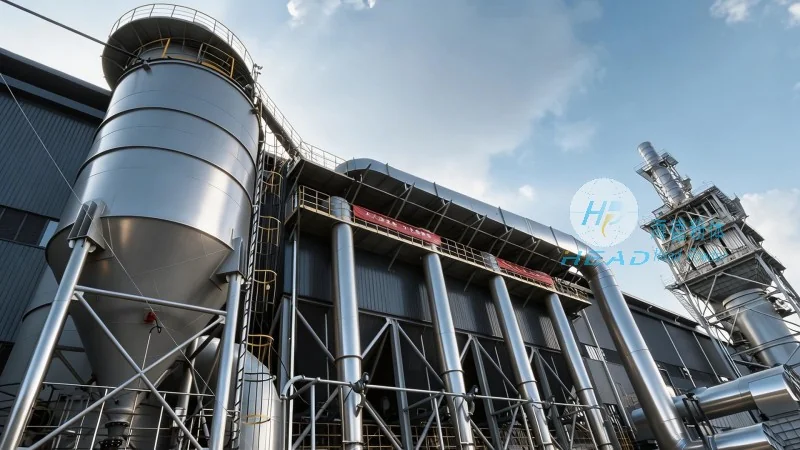
Operational considerations play a significant role in the effectiveness of phosphate sodium pneumatic conveying solutions. Proper system design, including the calculation of air velocity and pressure drop, ensures that the conveying line operates within optimal parameters. Regular maintenance of equipment, such as cleaning filters and checking blower performance, is essential to prevent system downtime and maintain efficiency. The use of monitoring systems, such as pressure gauges and flow meters, allows for real-time tracking of the conveying process, enabling quick adjustments to maintain consistent performance. These operational strategies ensure that the pneumatic conveying system operates reliably and efficiently, supporting continuous production and minimizing operational costs.
In conclusion, several effective solutions exist for the pneumatic conveying of phosphate sodium, each tailored to specific operational requirements and material characteristics. Positive pressure, negative pressure, and hybrid systems offer distinct advantages, allowing industries to choose the most suitable method for their applications. The selection of appropriate equipment components and adherence to operational best practices further enhance the efficiency and reliability of phosphate sodium handling. By understanding these solutions and implementing them correctly, industries can achieve safe, efficient, and cost-effective material transport, supporting their production processes and maintaining product quality.