

Introduction to Sugar Pneumatic Conveying: Structure and Working Principles
Understanding the fundamental aspects of sugar pneumatic conveying systems is crucial for industries that handle bulk sugar transport efficiently. This overview delves into the structural components and operational principles that define these systems, highlighting their role in optimizing material handling processes.
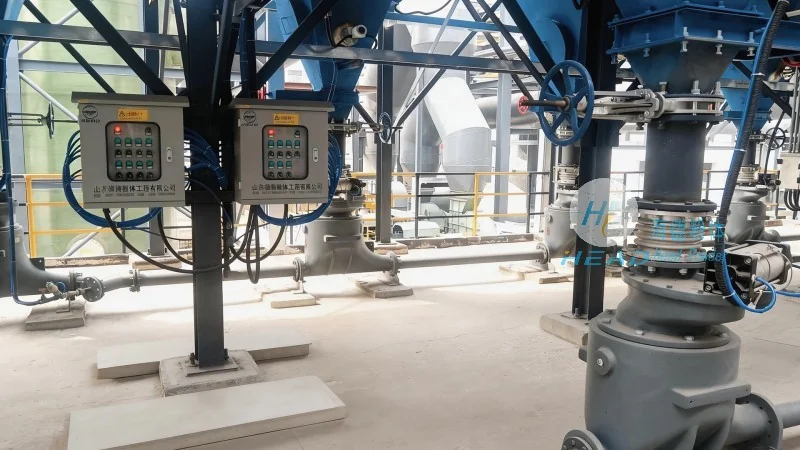
HeadPowder Engineering, a leading provider in the field, specializes in the design and implementation of pneumatic conveying solutions tailored to the unique demands of sugar processing. With a focus on precision and reliability, their systems ensure seamless movement of sugar from storage to processing units, minimizing downtime and enhancing overall operational efficiency.
The core structure of a sugar pneumatic conveying system typically includes several key components. At the heart of the system is the conveying line, which can be either positive or negative pressure, depending on the specific application. For sugar, positive pressure systems are often preferred as they provide better control over material flow and reduce the risk of product degradation. The system also incorporates a hopper or feeder that feeds the sugar into the line, ensuring a consistent and controlled feed rate. A filter or separator may be included to remove any foreign particles, maintaining the purity of the sugar during transport.

One of the critical components is the air compressor or blower, which generates the necessary airflow to move the sugar particles. The choice of compressor depends on factors such as the system's capacity, the sugar's particle size, and the required conveying distance. High-efficiency compressors are essential to maintain optimal pressure and airflow, ensuring that the sugar is conveyed smoothly without blockages or loss of material.
The conveying line itself is usually made of durable materials like stainless steel or plastic, chosen for their resistance to corrosion and ability to handle the abrasive nature of sugar particles. The line may include bends, elbows, or straight sections, with appropriate fittings to ensure smooth transitions and prevent pressure losses. In some systems, a cyclone separator or a rotary valve is used at the discharge end to separate the sugar from the air, allowing for clean product collection and efficient air recycling.

The working principle of a sugar pneumatic conveying system revolves around the interaction between the sugar particles and the air stream. When the air is introduced into the conveying line, it creates a low-pressure zone that draws the sugar particles into the flow. The particles are then carried along the line by the air, with the velocity of the air determining the conveying capacity. Proper design of the system ensures that the air velocity is sufficient to keep the sugar particles suspended without causing excessive wear on the equipment.
HeadPowder Engineering's expertise lies in customizing these systems to meet the specific requirements of sugar producers. By analyzing factors such as the type of sugar (e.g., granulated, powdered, or crystalline), the desired conveying distance, and the existing infrastructure, they develop tailored solutions that maximize efficiency and minimize operational costs. Their systems are designed to handle varying particle sizes and flow rates, ensuring consistent performance even under fluctuating production conditions.

Key to the effectiveness of these systems is the integration of advanced control mechanisms. Modern pneumatic conveying systems often incorporate sensors and control panels that monitor pressure, flow rate, and particle concentration in real-time. This allows for immediate adjustments to maintain optimal operation, preventing issues such as overloading or under-conveying. The control systems also help in reducing energy consumption by optimizing the air pressure and flow, contributing to lower operational costs and environmental sustainability.
In summary, sugar pneumatic conveying systems, as designed and implemented by HeadPowder Engineering, offer a reliable and efficient method for transporting bulk sugar. By understanding the structural components and working principles, industries can leverage these systems to enhance productivity, reduce costs, and maintain the quality of their sugar products. With their commitment to precision engineering and customer-centric solutions, HeadPowder Engineering continues to be a trusted partner in the sugar processing industry.