

Several Solutions for the Pneumatic Conveying of Calcium Hydrogen Phosphate
For industries dealing with calcium hydrogen phosphate (Ca(H₂PO₄)₂), efficient material handling is crucial for maintaining production efficiency and operational safety. Pneumatic conveying offers a versatile and effective method to transport this chemical, and various solutions have been developed to address different operational needs. This article explores several key approaches to pneumatic conveying of calcium hydrogen phosphate, highlighting the advantages and considerations of each method.

Company Profile: Shandong HeadPowder Engineering Co., Ltd.
As a leading provider in the field, Shandong HeadPowder Engineering Co., Ltd. specializes in engineering solutions for material handling and processing. With a strong focus on innovation and customer satisfaction, the company has developed advanced pneumatic conveying systems tailored to the unique requirements of calcium hydrogen phosphate applications. HeadPowder's expertise lies in designing systems that ensure reliable, low-damage transport while optimizing energy consumption and operational costs.
Option 1: Positive Pressure Pneumatic Conveying
Positive pressure pneumatic conveying systems operate by blowing air or a gas mixture into the conveying line, creating a pressure higher than the ambient environment. This method is particularly effective for transporting calcium hydrogen phosphate over long distances or through complex piping networks. The system typically includes a blower, a material feed hopper, and a receiver. The positive pressure ensures that the material is continuously pushed through the line, reducing the risk of blockages and ensuring consistent flow rates. For calcium hydrogen phosphate, this approach is ideal for applications where the material needs to be transported from a central storage area to multiple processing points or for bulk handling in large-scale production facilities.
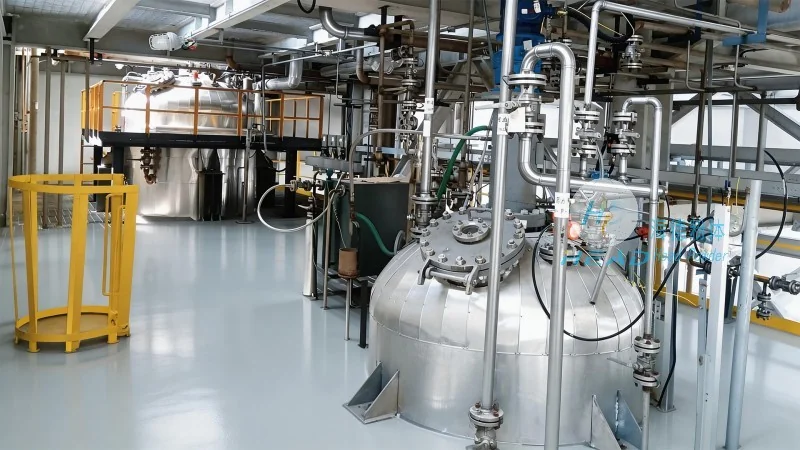
Option 2: Negative Pressure (Vacuum) Pneumatic Conveying
Negative pressure or vacuum pneumatic conveying systems create a pressure lower than the ambient environment by using a vacuum pump. This method is well-suited for applications where the material needs to be collected from multiple sources or transported over shorter distances with lower material volumes. The vacuum system draws the calcium hydrogen phosphate into the conveying line, making it suitable for handling fine powders and preventing dust dispersion. The system often includes a vacuum receiver, a material feed point, and a filter to capture any airborne particles. Negative pressure conveying is commonly used in industries where the material is generated at multiple points and needs to be consolidated into a central processing unit, such as in fertilizer production or chemical processing plants.
Option 3: Mixed-Pressure Pneumatic Conveying
Mixed-pressure or hybrid pneumatic conveying systems combine elements of both positive and negative pressure methods. This approach allows for greater flexibility in handling varying material flow rates and distances. The system may use a blower to provide positive pressure in the initial section and a vacuum pump to create negative pressure in the final section, or vice versa. For calcium hydrogen phosphate, mixed-pressure systems are advantageous when dealing with complex layouts that involve both long and short transport segments or when the material needs to be transported through areas with varying elevation changes. This method ensures efficient material transport while maintaining control over the pressure and flow dynamics, making it a versatile solution for diverse operational scenarios.

Key Considerations for Pneumatic Conveying of Calcium Hydrogen Phosphate
When selecting a pneumatic conveying solution for calcium hydrogen phosphate, several factors must be considered to ensure optimal performance and longevity of the system. First, the particle size and moisture content of the material are critical. Calcium hydrogen phosphate is often a fine powder, which can lead to issues like caking or agglomeration if not properly handled. The conveying system must be designed to prevent these issues, such as by incorporating vibration or agitation mechanisms to keep the material in a free-flowing state. Second, the system's material of construction is important, as calcium hydrogen phosphate can be corrosive or abrasive. Stainless steel or specialized alloys are commonly used to prevent wear and corrosion, ensuring the system's durability over time. Third, energy efficiency is a key consideration, as pneumatic conveying can be energy-intensive. Advanced blower technologies and optimized system designs help reduce energy consumption while maintaining effective material transport. Finally, safety considerations, such as dust explosion prevention and proper ventilation, are essential, especially when handling powders that may be combustible or hazardous.
Conclusion: Choosing the Right Pneumatic Conveying Solution
Choosing the appropriate pneumatic conveying solution for calcium hydrogen phosphate depends on the specific operational requirements, including distance, material volume, and system layout. Positive pressure systems are ideal for long-distance or complex transport, while negative pressure systems are better suited for shorter distances or multiple source collection. Mixed-pressure systems offer flexibility for diverse applications. By considering factors such as material properties, system durability, energy efficiency, and safety, industries can select the most effective pneumatic conveying solution. Shandong HeadPowder Engineering Co., Ltd. provides tailored solutions that address these considerations, ensuring reliable and efficient transport of calcium hydrogen phosphate for various industrial applications.