

Design Considerations for Carbon Powder Pneumatic Conveying System Solutions
When designing a carbon powder pneumatic conveying system, several key factors must be carefully considered to ensure efficiency, reliability, and cost-effectiveness. This article outlines the essential design considerations for such systems, focusing on the technical and operational aspects that impact performance.

System Selection and Material Characteristics
The first step in designing a carbon powder pneumatic conveying system is to evaluate the properties of the carbon powder being handled. Key material characteristics include particle size, density, moisture content, and flowability. These factors directly influence the choice of conveying system type—such as dilute-phase or dense-phase systems—and the selection of appropriate equipment like pumps, cyclones, and filters. For instance, fine carbon powders may require a dilute-phase system with high air velocity to prevent clogging, while bulkier particles might benefit from a dense-phase system that uses lower air velocity and higher pressure to maintain material integrity.
Equipment Selection and Component Integration
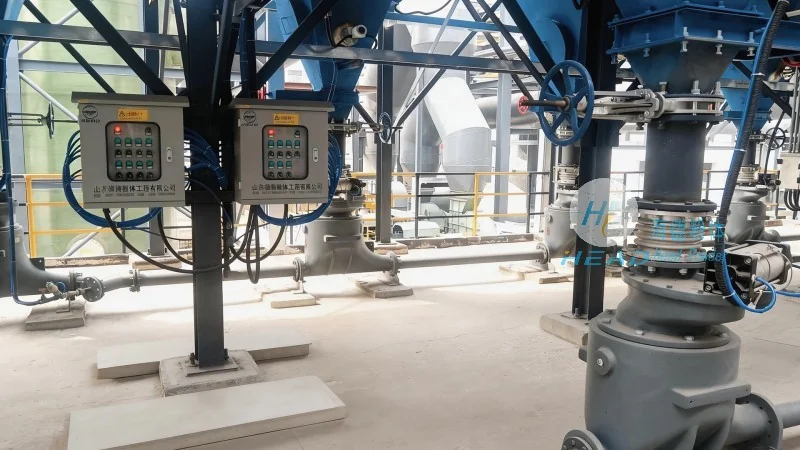
Choosing the right equipment components is critical to the system's performance. The system typically includes a material feeder, air compressor, conveying line, separation equipment, and a dust collection system. The material feeder must be capable of handling the specific flow rate and particle size of the carbon powder without causing blockages or uneven feeding. Air compressors are selected based on the required air volume and pressure, with considerations for energy efficiency and noise levels. Conveying lines are often made of stainless steel or other corrosion-resistant materials to prevent contamination and wear from the carbon powder. Cyclones and filters are essential for separating the powder from the air stream, ensuring compliance with environmental regulations and maintaining system cleanliness.
Design for Efficiency and Energy Savings
Efficiency is a major consideration in pneumatic conveying system design. Optimizing the air-to-material ratio is crucial to minimize energy consumption while maintaining effective conveying. Proper sizing of the air compressor and conveying line reduces unnecessary pressure drops and energy waste. Additionally, incorporating features like variable speed drives for the air compressor allows for dynamic adjustment based on the material flow rate, further enhancing energy efficiency. Regular maintenance and monitoring of system performance also contribute to long-term efficiency and reduced operational costs.
Safety and Environmental Compliance
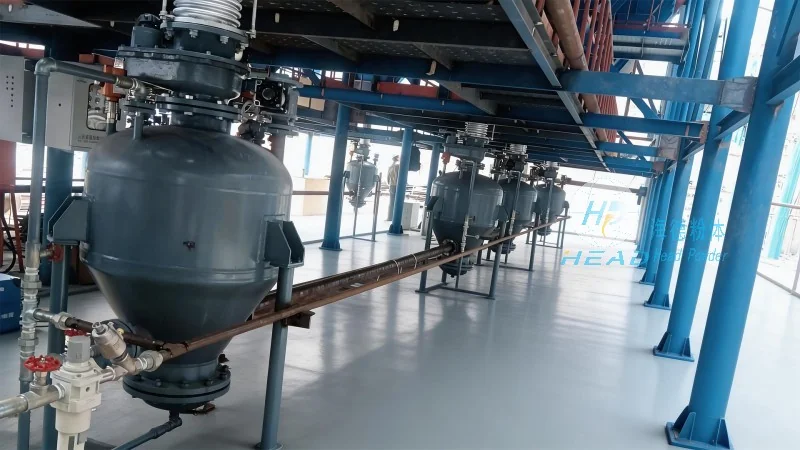
Safety is paramount in carbon powder handling systems. Proper ventilation and dust control measures are essential to prevent dust explosions and ensure worker safety. The system design must comply with local and international regulations regarding dust collection and air quality. For example, explosion-proof components may be required in certain environments, and dust collection systems must be capable of capturing fine particles to avoid environmental contamination. Additionally, the system should include safety features such as pressure relief valves and emergency shutdown mechanisms to protect personnel and equipment during operation.

Integration with Existing Facilities
When designing a new carbon powder pneumatic conveying system or upgrading an existing one, integration with the surrounding facility is important. The system must be compatible with the existing infrastructure, including electrical, plumbing, and material handling systems. This may involve considerations such as space constraints, access routes for maintenance, and coordination with other equipment in the facility. A well-planned integration ensures smooth operation and minimizes disruptions to the overall production process.
Maintenance and Long-Term Reliability
Long-term reliability and ease of maintenance are key factors in system design. Components such as material feeders, air compressors, and filters should be designed for easy access and replacement to reduce downtime. Regular maintenance schedules should be established to address wear and tear from the carbon powder, such as cleaning of conveying lines and replacement of worn parts. The use of high-quality materials and robust construction also contributes to the system's longevity and reduces the need for frequent repairs.