

Introduction to the White Clay Powder Conveying System: Structure and Working Principle
HeadPowder, a leading provider in the field of powder handling technology, specializes in the design and manufacturing of efficient conveying systems for various industrial applications. This document provides an overview of the white clay powder conveying system, detailing its structural components and operational principles to help users understand its functionality and benefits.
Company Profile and Background
HeadPowder, operating under the full name Shandong HeadPowder Engineering Co., Ltd., is headquartered in Shandong, China. The company has established itself as a trusted name in the engineering sector, focusing on the development of advanced solutions for material handling, particularly in the processing of fine powders like white clay. With a commitment to innovation and quality, HeadPowder aims to deliver reliable and efficient systems that meet the diverse needs of industrial clients.
Overview of the White Clay Powder Conveying System
The white clay powder conveying system is engineered to handle the transportation of white clay powder, a common material used in industries such as paper, rubber, and pharmaceuticals. This system is designed to ensure safe, efficient, and consistent movement of the powder from storage to processing units. The system's design incorporates several key components that work in tandem to achieve optimal performance.
Structural Components and Design
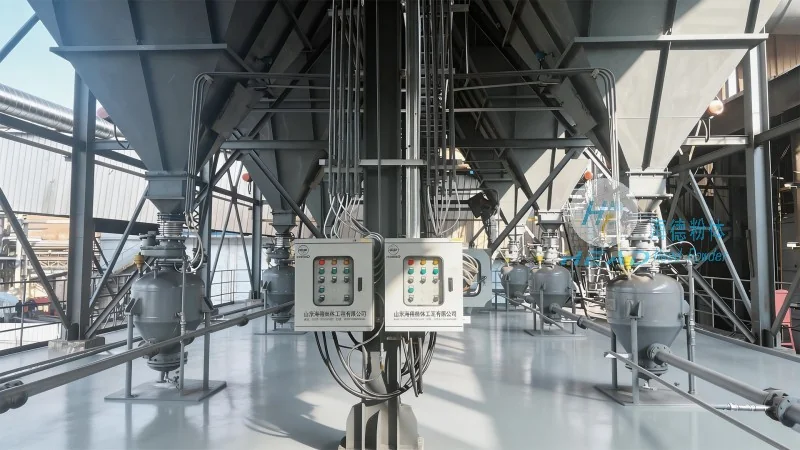
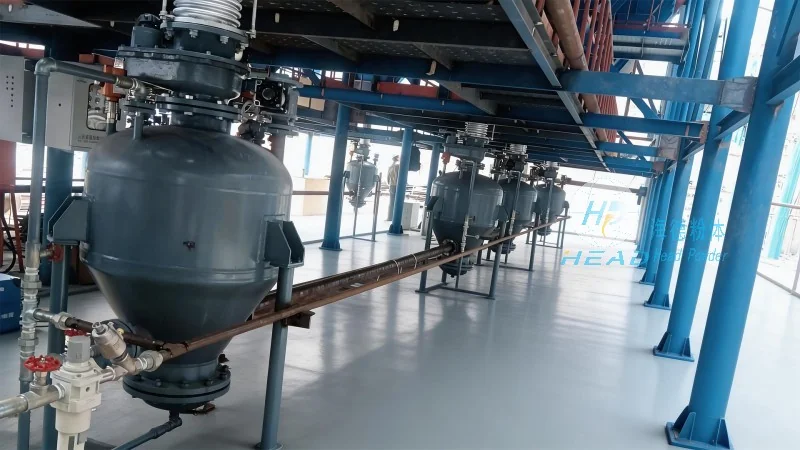
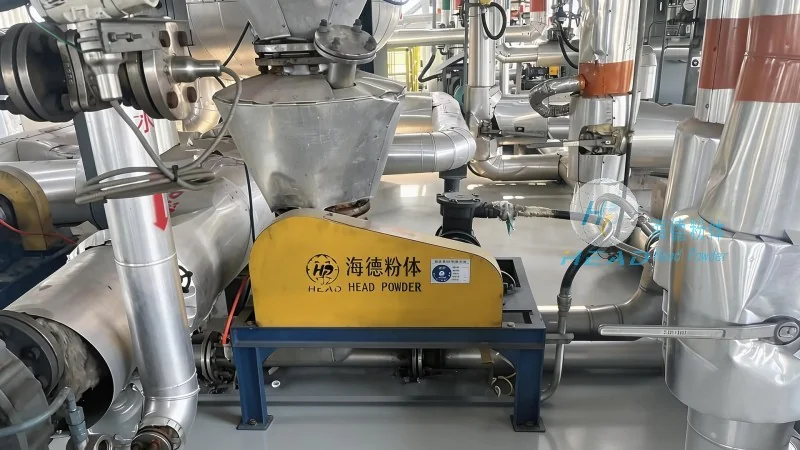
The conveying system consists of several essential parts, each playing a critical role in the overall operation. The primary components include a hopper for material storage, a conveyor mechanism (such as a screw or pneumatic conveyor), a control panel for operation, and a discharge outlet for delivering the material to the next stage of processing. The hopper is typically made of durable materials like stainless steel or high-density plastic to prevent material degradation and ensure longevity. The conveyor mechanism is designed to handle the specific characteristics of white clay powder, including its fine particle size and potential for caking or bridging. The control panel allows operators to adjust parameters such as speed, pressure, and flow rate, ensuring precise control over the conveying process.
Working Principle and Operational Mechanism
The operation of the white clay powder conveying system follows a systematic process. Initially, white clay powder is fed into the hopper from a storage silo or bagging area. The material then flows into the conveyor mechanism, which uses mechanical or pneumatic forces to move the powder along the system. In a screw conveyor, for example, a rotating screw pushes the powder forward, while in a pneumatic system, compressed air propels the powder through a pipeline. The control panel monitors the flow rate and adjusts the conveyor speed as needed to maintain a consistent output. The system is equipped with safety features, such as overload protection and material flow indicators, to prevent blockages and ensure smooth operation.

Key Features and Benefits
The white clay powder conveying system offers several advantages that make it a preferred choice for industrial applications. One of the main benefits is its ability to handle fine powders without causing segregation or loss of material. The system's design minimizes the risk of material degradation, ensuring that the white clay powder retains its quality and properties. Additionally, the system is energy-efficient, with adjustable speed controls that optimize power consumption. The compact design of the system allows for easy integration into existing production lines, reducing installation time and costs. The durability of the components, particularly the hopper and conveyor, ensures long-term reliability and minimal maintenance requirements.
Applications and Industries
The white clay powder conveying system is widely used in various industries that rely on the processing of white clay powder. In the paper industry, it is used to transport white clay for coating and filler applications. In the rubber industry, it serves as a filler material, improving the mechanical properties of rubber products. The pharmaceutical industry also utilizes white clay as an excipient, and the conveying system ensures that the material is handled hygienically and efficiently. Other applications include the production of ceramics, paints, and adhesives, where white clay is used as a raw material.
Conclusion
In summary, the white clay powder conveying system developed by Shandong HeadPowder Engineering Co., Ltd. is a robust and efficient solution for the transportation of fine powders. Its well-designed structural components and operational principles ensure reliable performance, making it an ideal choice for industrial applications. By understanding the system's structure and working mechanism, users can appreciate its benefits and make informed decisions regarding its implementation in their production processes.