

Design of Ammonium Nitrate Pneumatic Conveying Systems
Ammonium nitrate, a widely used chemical compound in industries such as agriculture, explosives, and fertilizers, requires efficient and reliable handling systems for safe and effective transportation. The pneumatic conveying system, utilizing air or other gases to transport bulk materials, offers a solution that minimizes dust, reduces material degradation, and enhances operational safety. This article focuses on the design principles and considerations for an ammonium nitrate pneumatic conveying system, highlighting the technical aspects and practical applications tailored to the unique properties of ammonium nitrate.

System Overview and Core Components
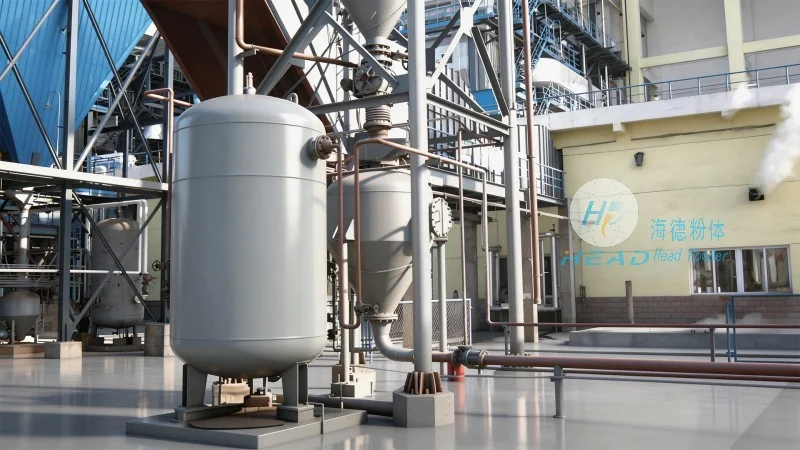
The pneumatic conveying system for ammonium nitrate typically consists of several key components that work in tandem to ensure smooth material transport. These include the hopper or storage silo, the conveyor pipeline, the air or gas supply system, the control valves, and the dust collection or filtration units. The hopper is designed to feed the ammonium nitrate into the system, ensuring a consistent flow rate. The pipeline, often made of corrosion-resistant materials like stainless steel or special alloys due to the chemical properties of ammonium nitrate, is engineered to withstand potential corrosion and maintain material integrity. The air supply system, which may use compressed air or other gases, provides the necessary pressure to move the material through the pipeline. Control valves regulate the flow of air and material, allowing for precise control over the conveying process. Dust collection systems are critical for maintaining air quality and compliance with environmental regulations, as ammonium nitrate is a fine powder that can generate significant dust during handling.

Design Considerations for Ammonium Nitrate Handling
Designing a pneumatic conveying system for ammonium nitrate involves several critical considerations to ensure safety, efficiency, and compliance. First, the system must address the chemical properties of ammonium nitrate, which can be hygroscopic and reactive under certain conditions. Materials of construction must be selected to resist corrosion and prevent contamination. For instance, stainless steel or specialized coatings are often used for pipelines and equipment to avoid chemical reactions with the material. Second, the system must consider the dust explosion risk associated with ammonium nitrate. Proper explosion-proof designs, including spark detection and suppression systems, are essential to prevent catastrophic events. Third, the system needs to manage the flow characteristics of ammonium nitrate, which can vary based on moisture content and particle size. The design must account for these variations to maintain consistent conveying rates and prevent blockages or surging. Additionally, the system should incorporate safety features such as pressure relief valves, emergency shut-off mechanisms, and monitoring systems to detect and respond to abnormal conditions promptly.
Application Scenarios and Operational Benefits
The ammonium nitrate pneumatic conveying system is widely applied in various industrial settings, including fertilizer production plants, chemical processing facilities, and storage terminals. In fertilizer manufacturing, the system efficiently transports raw ammonium nitrate from storage to processing units, reducing labor costs and improving production throughput. In chemical processing, it enables the safe transfer of ammonium nitrate between different stages of production, minimizing the risk of material loss or contamination. The operational benefits of this system include improved safety due to enclosed handling, reduced dust exposure for personnel, lower maintenance costs compared to mechanical conveying systems, and enhanced product quality by minimizing material degradation. Furthermore, the system's flexibility allows for easy integration with existing production lines and can be scaled to accommodate varying production volumes.

Case Study: Implementation by Shandong HeadPowder Engineering Co., Ltd.
Shandong HeadPowder Engineering Co., Ltd., a leading provider of engineering solutions for bulk material handling, has successfully implemented ammonium nitrate pneumatic conveying systems in multiple projects. Based in China, the company specializes in designing and manufacturing customized conveying systems tailored to the specific needs of clients. One notable project involved the installation of a pneumatic conveying system for a large fertilizer plant, where the system was designed to handle 500 tons of ammonium nitrate per day. The system incorporated advanced control technologies to optimize air usage and maintain consistent flow rates, resulting in a 20% reduction in energy consumption compared to traditional conveying methods. The company's engineers conducted thorough risk assessments and implemented explosion-proof measures, ensuring compliance with local safety regulations. The successful implementation of this system demonstrated the effectiveness of their design approach and commitment to safety and efficiency. Clients have reported improved operational reliability, reduced downtime, and enhanced product quality, highlighting the value of the system in their production processes.